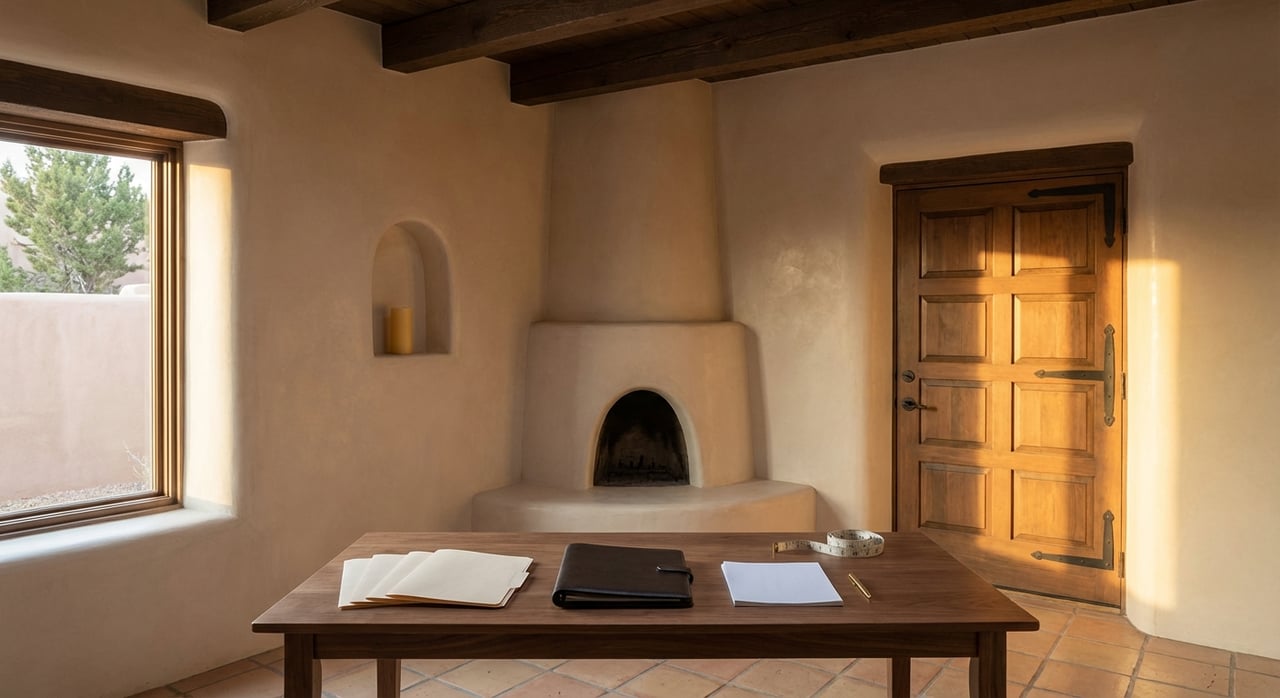
How to Prepare a Historic Eastside Home for Appraisal
February 19, 2026
February 19, 2026
Appraisal day can feel like the moment your Historic Eastside home has to “prove” its story. You know the character and craftsmanship are there, but will the appraiser see it the way buyers do. With a clear plan, strong documentation, and a thoughtful tour, you can help the appraiser verify value with confidence. This guide walks you through what matters in Santa Fe’s Historic Eastside, how to assemble the right binder, and how to present adobe features, permits, and energy upgrades. Let’s dive in.
Residential appraisers lean most on recent, nearby closed sales to estimate value. Industry guidance requires at least three closed comparables in the sales comparison approach, and any stretch on distance or time needs a clear explanation. You can review that standard in the Fannie Mae comparable sales guidance.
For historic or unique homes, appraisers also consider how any restrictions or preservation rules affect marketability and highest and best use. Professional literature emphasizes that appraisers should understand local criteria and report how those factors influence the buyer pool. See the summary of practice in the Appraisal of Real Estate reference.
In Santa Fe, the Historic Preservation Division administers the Downtown and Eastside districts and works with the Historic Districts Review Board. Many exterior changes require staff or board approval, and records are public. Before appraisal day, confirm whether your property is “contributing,” and gather Certificates of Appropriateness or staff approvals. You can learn about process and records through the City’s Historic Preservation Division.
Include case numbers and approval letters in your binder. This shows the appraiser and any underwriter that improvements follow local rules, which reduces uncertainty.
Permitted work with final inspections is usually easier for an appraiser to count toward gross living area and value. Unpermitted additions may be excluded or discounted, and the appraiser must comment on them. This principle is summarized in common appraisal FAQs like this industry overview.
Pull permits and final sign-offs for major work, plus any as-built drawings or a recent survey. If you need a refresher on City permitting, review this outline of the Santa Fe building permit process. Accuracy on square footage, permit history, and plans prevents delays and conservative adjustments.
Appraisers weigh what affects safety, soundness, and long-term utility. Roof performance and drainage, structural soundness, and major systems matter. Visible defects or deferred maintenance can lead to value deductions or loan conditions. For a quick sense of lender-focused concerns, see the appraisal and property-related FAQ.
Focus your prep on high-impact items:
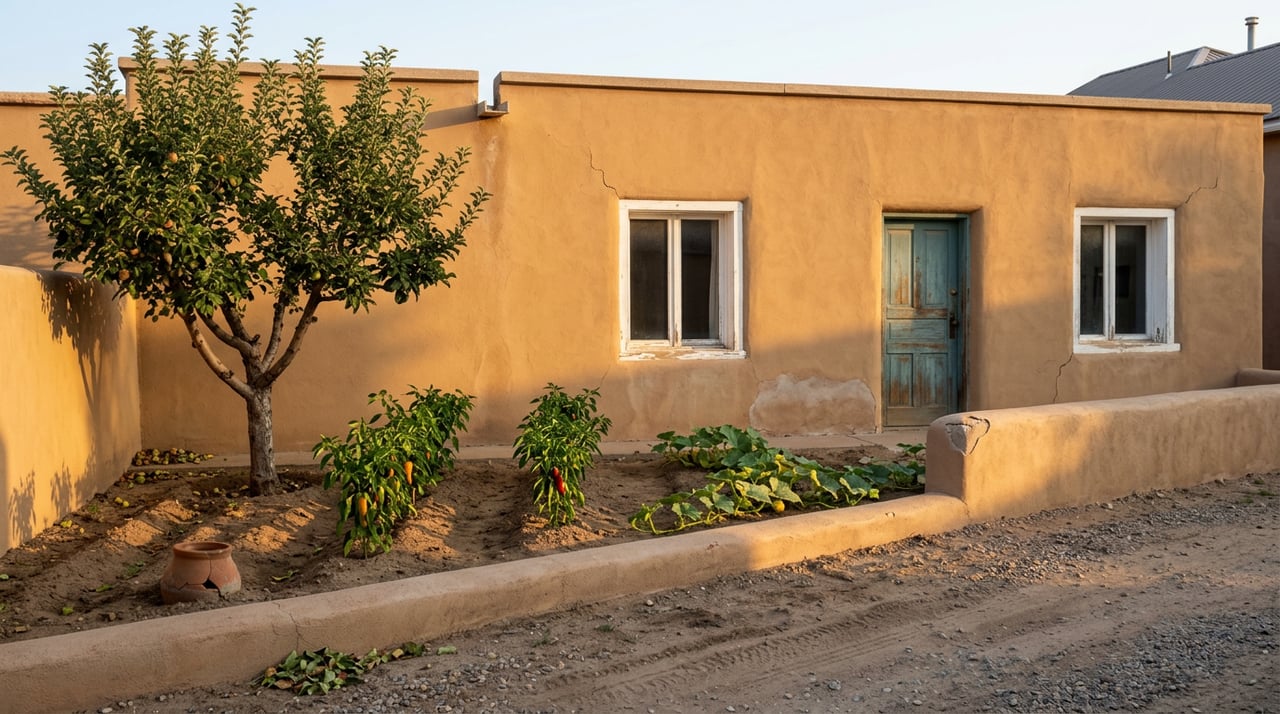
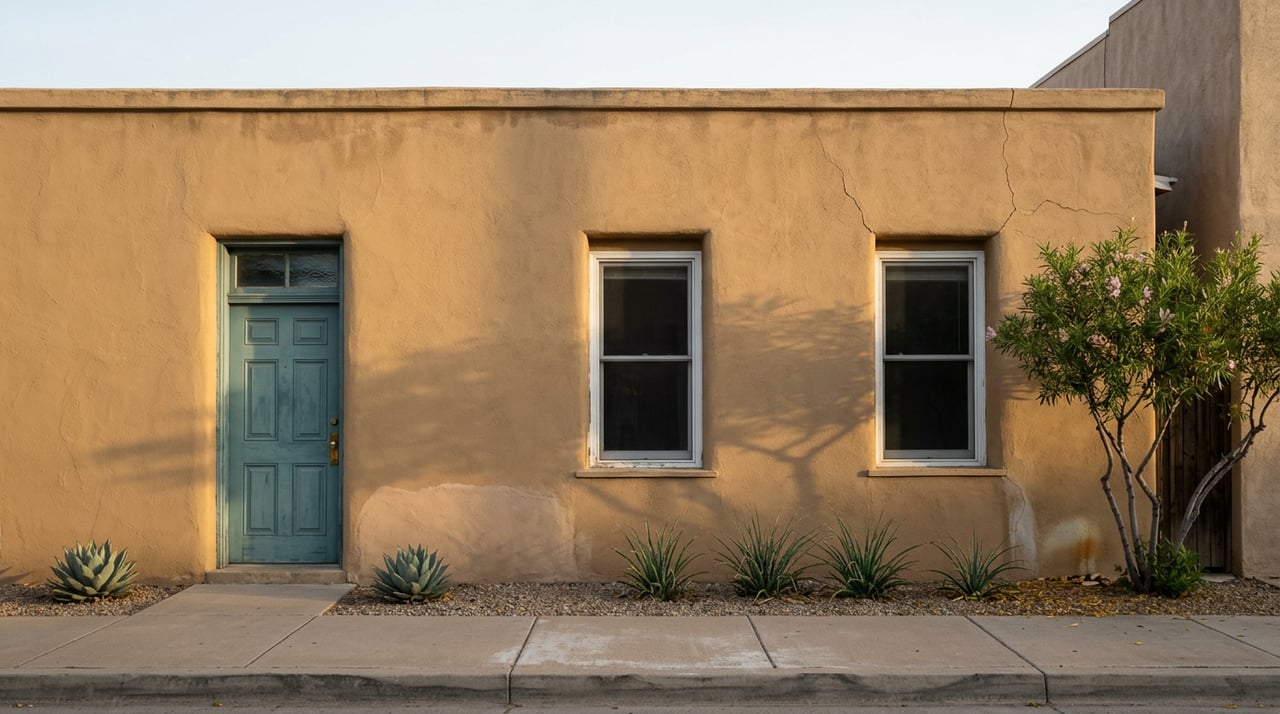
Historic adobe needs thoughtful care. Appraisers look for signs of compatible plaster, sound roof and water management, and appropriate repair methods. Providing a maintenance narrative helps them judge condition and near-term costs.
If you have documentation, include brief notes on plaster type, moisture control steps, and any traditional or compatible repairs. For context on best practices, the National Park Service offers a helpful Preservation Brief on adobe.
If you have an owned photovoltaic system, provide the system size, installation date, ownership proof, and any incentives. National research from Lawrence Berkeley Lab has found measurable sale price premiums for owned residential PV in many markets, though effects vary by location and program design. You can explore that research catalog from LBNL.
Leased systems usually do not add the same value and can complicate financing, so clarity on ownership is key. If you have third-party energy reports or a HERS score, attach them and consider using the Appraisal Institute’s green addendum described in this overview of the Green & Energy Efficient Addendum.
Bring one clear, labeled binder or a single digital packet. It should help the appraiser verify, not sell.
Label each tab so an underwriter who never met you could follow the paper trail.
Your goal is clarity and access. Make sure the appraiser can reach all interior spaces, mechanical rooms, crawl spaces, and outbuildings. Obstructed access can limit scope. The general lender-facing concerns listed in this FAQ on property and appraisal issues are a good reminder to keep things safe and clear.
Use a short script:
Keep the home clean and uncluttered so square footage and condition are easy to confirm. Cosmetic polish helps, but documentation and systems carry more weight.
Historic Eastside homes can be hard to match one-to-one. Appraisers may expand the radius or use older sales with time adjustments when true comps are scarce, which must be explained under Fannie Mae guidelines. Your short packet of closed sales, with a sentence on why each is similar, can speed orientation and reduce back-and-forth.
When you have rare features, such as a documented restoration or a certified energy retrofit, make sure those items are visible in the binder and in the tour. Appraisers will look for market evidence that buyers recognize and pay for those features.
New Mexico offers a State Income Tax Credit program for registered cultural properties, with pre-approval and residential project caps. Federal historic rehabilitation credits apply to income-producing buildings. These programs can influence buyer demand and cost-benefit decisions on rehab. Review the program overview and confirm details via this state historic tax credit summary, then verify specifics with the New Mexico SHPO and the City.
If you need a second set of eyes on your binder or want help aligning upgrades with likely comps, our team can help you prepare with confidence. Connect with the Ralph Alan Real Estate Group to calibrate your valuation strategy, polish presentation, and navigate Santa Fe’s historic review process.
Stay up to date on the latest real estate trends.
Article
Here's What It Actually Did
Get In Touch With Our Team To Learn More
Ralph Alan Real Estate Group
218 Camino La Tierra Suite B2 Santa Fe NM 87506 (505) 986-2000