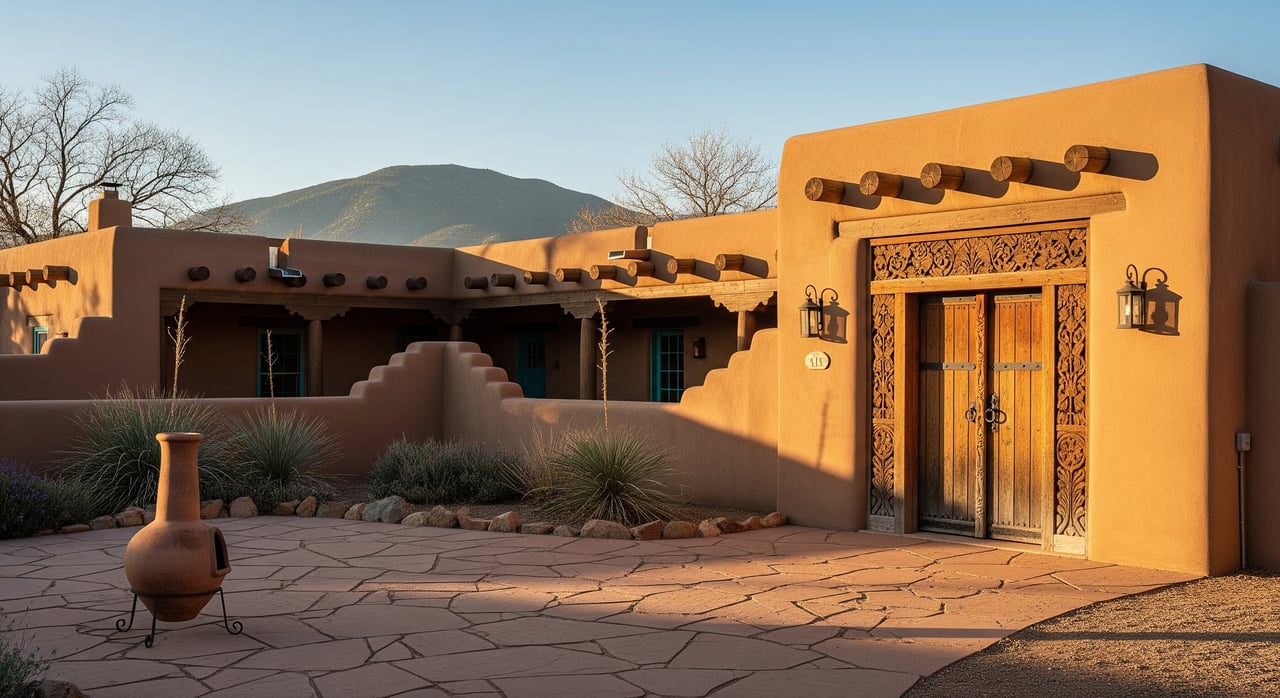
Best Time To List In Historic Eastside: Data-Driven Timing
January 15, 2026
January 15, 2026
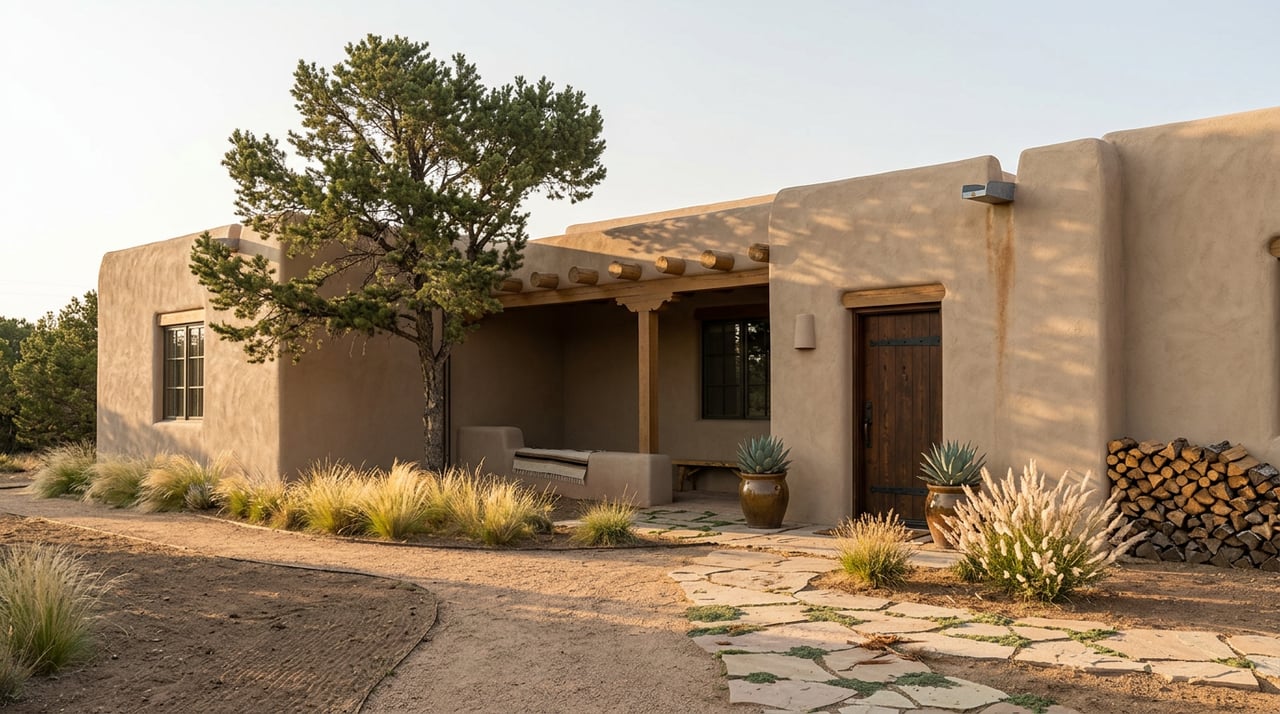
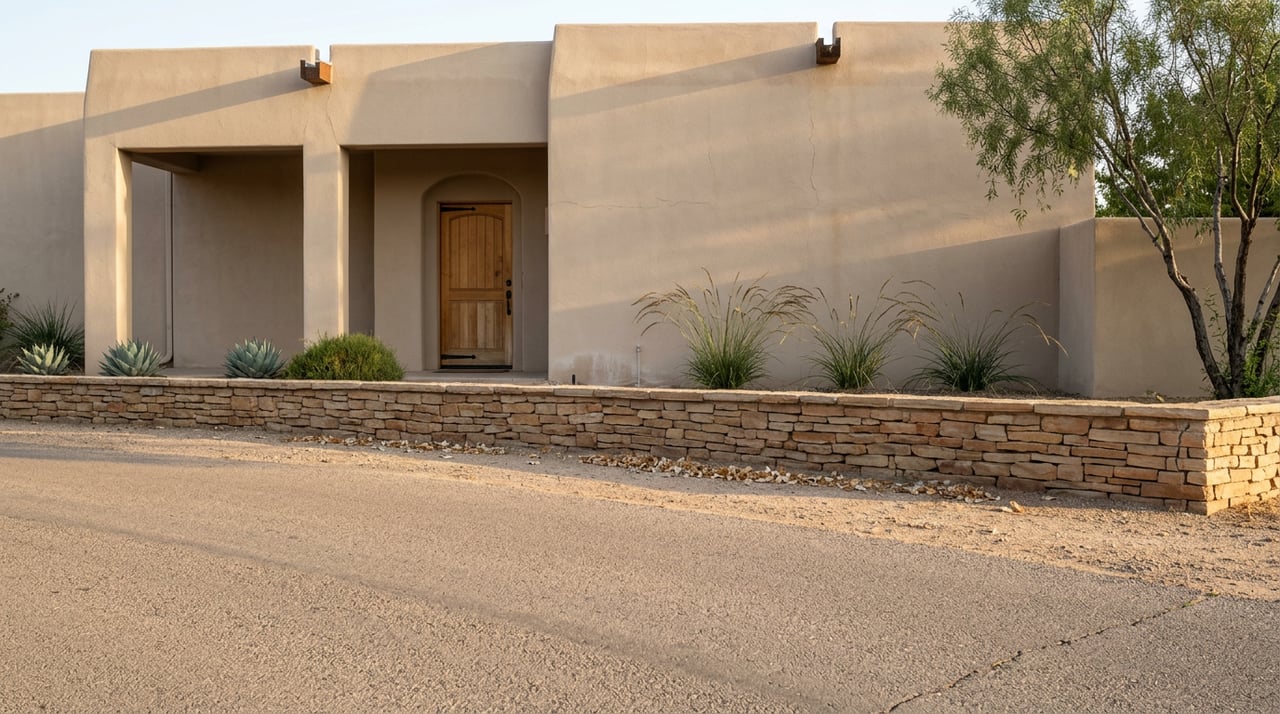
Is your Historic Eastside adobe ready for its moment, but you are not sure when to list? Timing can shape your days on market, your sale-to-list ratio, and how many qualified buyers walk through the door. In Santa Fe, seasonality, arts events, and historic-district rules all play a part. This guide shows you how to use those factors to choose the week that gives you the best shot at top results. Let’s dive in.
Across the U.S., buyer activity and new listings tend to peak in spring. Santa Fe follows that general pattern, yet our market also pulses with tourism and arts-driven visits that stretch demand into summer and early fall. Inventory levels in the Historic Eastside matter as well. When there are few comparable homes on the market, even a modest number of active buyers can create strong competition and faster offers.
Here is how the year typically plays out:
Spring is the most consistent window for broad buyer activity. You benefit from:
Considerations: You will face more competing listings. That means your prep, staging, and pricing strategy should be tight to stand out in Historic Eastside searches.
August brings concentrated visits from cultural travelers and second-home buyers who often want to tour while they are in town. The Santa Fe Indian Market is a major draw that brings national and international visitors with interest in art, architecture, and authentic adobe homes.
Considerations: Event weeks can challenge logistics. Plan for parking, flexible showing windows, and agent availability. If your buyer profile includes art collectors or out-of-state second-home shoppers, this window can be powerful.
This period offers long days, favorable photography, and consistent traffic from visitors who extend their stays. If you miss spring by a few weeks, a late June or early July launch can still perform well.
Weather remains pleasant and buyers are still visiting. Inventory often tightens after summer, which can help a well-prepared listing capture attention quickly.
Fewer buyers are active, but those who are looking tend to be serious. A turnkey, well-priced historic home can still attract competitive offers. Expect fewer showings and plan for slightly more conservative pricing.
In the Historic Eastside, exterior changes, paint colors, signage, and some site work may require review through the City’s Historic Districts Review process. Lead times can range from weeks to months based on scope. Specialized work on adobe, lime plaster, flat roofs, and vigas often requires contractors with specific expertise and seasonal availability. Some exterior work is not ideal in winter due to freeze and thaw cycles.
What this means for you:
Use your target launch week to set a prep timeline. Here are three practical paths:
In more active months, you often see stronger sale-to-list ratios and shorter days on market, provided your pricing is aligned with current comps. In quieter months, a sharper list price can help you draw qualified buyers quickly. For the most accurate read, analyze the last 3 to 5 years of monthly neighborhood-level data, including median price, days on market, number of new listings, and the list-to-sale ratio.
Use this to organize your path to launch:
Arts and cultural weeks can put high-intent buyers in front of your home. Indian Market week is a standout for art-focused and second-home shoppers. Consider timing your listing to coincide with the Indian Market schedule. You can also align open houses and private tours with the city’s summer arts calendar, which is published by the Santa Fe Convention and Visitors Bureau. Prepare for traffic, communicate showing windows clearly, and coordinate with your agent early to manage logistics.
You get a data-minded plan tailored to your home and your goals. The Ralph Alan Real Estate Group pairs third-generation local knowledge with design and build expertise, so you can set realistic timelines for any historic-appropriate repairs, staging, and photography. The team manages approvals, coordinates trusted contractors, and delivers premium listing marketing that aligns with the strongest buyer windows in Santa Fe.
If you are weighing spring versus late summer, or you need a fast winter sale, we will build a timeline that fits your property and your priorities.
Ready to map your ideal list date and prep plan? Reach out to the Ralph Alan Real Estate Group for a neighborhood-specific strategy.
Stay up to date on the latest real estate trends.
Article
Here's What It Actually Did
Get In Touch With Our Team To Learn More
Ralph Alan Real Estate Group
218 Camino La Tierra Suite B2 Santa Fe NM 87506 (505) 986-2000