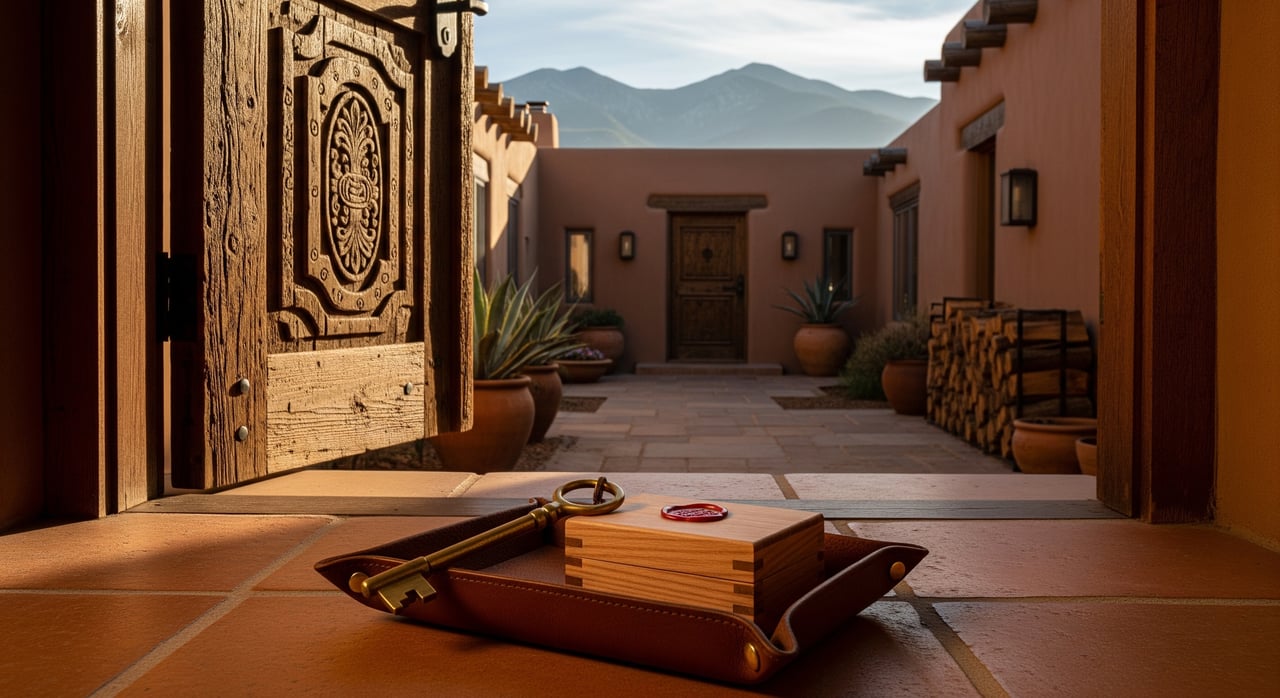
How Earnest Money Works for Santa Fe Buyers
January 22, 2026
January 22, 2026
Ever wonder if your earnest money is safe when you make an offer in Santa Fe? If you are buying in 87505, you want a clear plan for how much to offer, when to pay it, and how to keep it protected. You also want to know when you can get it back if the deal changes. This guide walks you through local norms, timelines, contingencies, and smart steps so you can move forward with confidence. Let’s dive in.
Earnest money is a deposit you make with your offer to show the seller you are serious. It applies to your purchase at closing or is refunded or forfeited based on your contract and contingencies. It is a contractual deposit, so whether it is refundable depends on the exact terms you agree to in writing.
You use earnest money to signal commitment, give the seller some protection against buyer default, and demonstrate to your lender and the listing broker that you can perform. Your contract will outline who holds the funds, when they are due, and what happens to them if the deal changes.
In many U.S. markets, including central Santa Fe, a common earnest money range is about 1 to 3 percent of the purchase price. For some lower-priced homes, buyers and sellers use a flat amount, often between $2,000 and $10,000. In competitive situations, some buyers offer more, such as 3 to 5 percent, to strengthen an offer.
Earnest money is usually due within 24 to 72 hours after both parties sign the contract. Most residential closings take about 30 to 45 days from acceptance, depending on lender timelines or whether you are paying cash. Because 87505 includes many older and historic homes, inspection and title timelines are often negotiated carefully.
These are illustrations. Your final amount should fit the property, your financing, and market conditions at the time of your offer.
Most buyers in Santa Fe place earnest money with a title or escrow company named in the contract. In some cases, a broker trust account or an attorney escrow account may hold the funds if the contract says so. Your contract should name the escrow agent and the account for the deposit.
Funds are kept in trust or escrow accounts separate from operating funds. You should receive a written receipt and keep your bank record, such as a wire confirmation or a canceled check. Handling of trust accounts is regulated at the state level, and title companies are subject to licensing and insurance rules.
Wire fraud is a known risk in real estate. To protect your deposit:
Contingencies give you a window to investigate the property and financing. If you cancel within a contingency period and follow the contract steps, your earnest money is generally refundable.
Common buyer protections include:
Inspection and due diligence periods are often 7 to 10 days, sometimes up to 14 days by negotiation. Loan commitment deadlines often fall between 21 and 30 days, depending on the lender. Appraisals usually occur early in the process so the lender can keep the file moving.
If a buyer defaults by missing deadlines or canceling outside the contract protections, the seller may have the right to keep the earnest money as liquidated damages, based on the contract. If a seller defaults, buyers typically get the earnest money back and may have other remedies. Many contracts require mediation or arbitration before litigation.
If the escrow holder cannot disburse funds by mutual written instruction, they usually hold the funds until there is a signed release or a court order. Some disputes resolve by negotiation, such as partial refunds or deadline extensions. Clear deadlines, written communication, and standard contract forms help reduce disagreements.
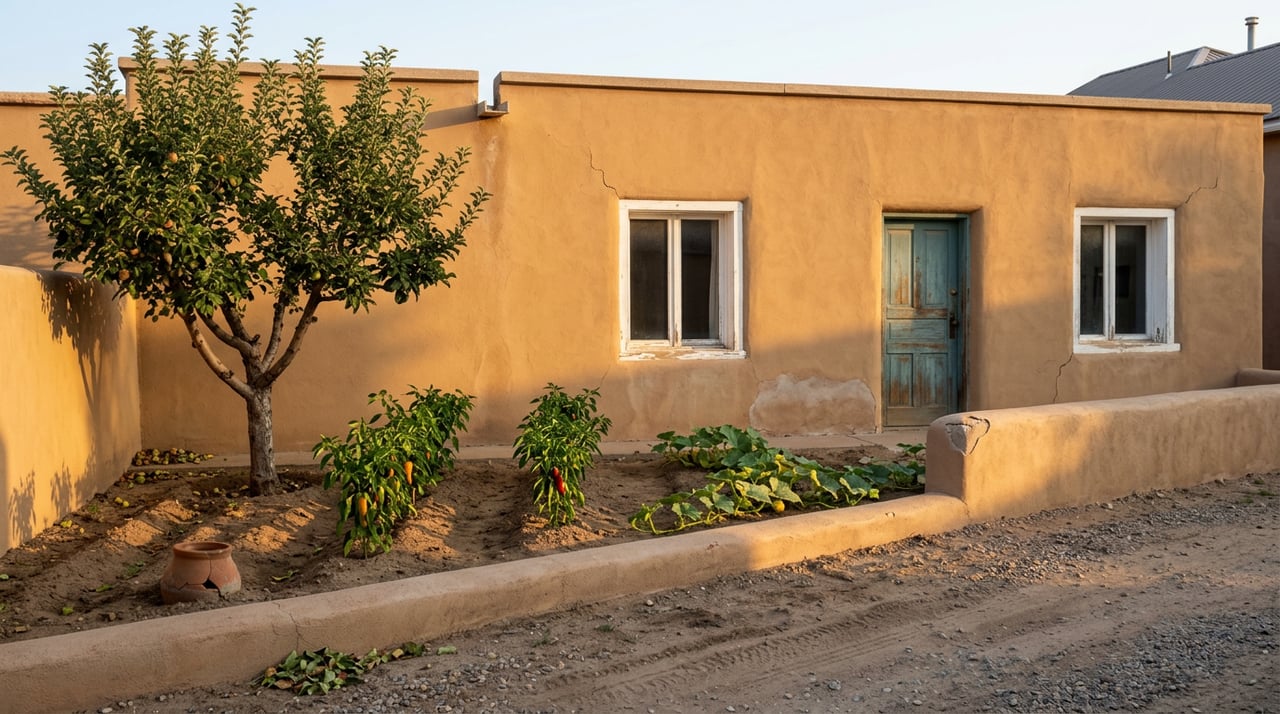
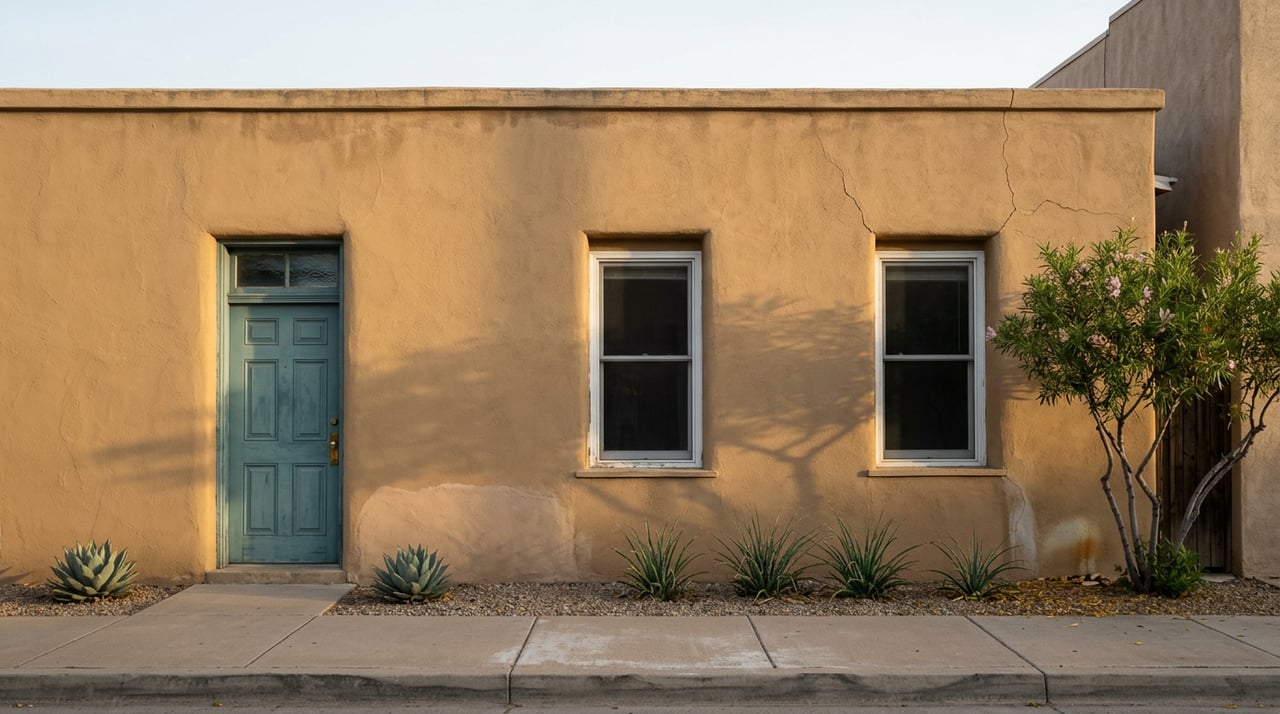
In 87505, you will see a mix of historic, downtown-adjacent homes and updated properties. Inspection scope and timelines often reflect the age and character of the home. When inventory is tight, larger deposits and tighter timelines can be common. When the market cools, smaller deposits and longer windows are often acceptable.
The key is to match your deposit and timelines to your risk tolerance and the property. Put every step in writing, keep receipts, and confirm instructions by phone. That way, your earnest money serves its purpose without putting you in a bind.
If you want a calm, well-orchestrated path from offer to closing, our local team can help you plan the right deposit, set smart timelines, and coordinate inspections that fit the home. Reach out to the Ralph Alan Real Estate Group to talk through your goals.
Stay up to date on the latest real estate trends.
Article
Here's What It Actually Did
Get In Touch With Our Team To Learn More
Ralph Alan Real Estate Group
218 Camino La Tierra Suite B2 Santa Fe NM 87506 (505) 986-2000