Pricing a home in Vista Primera can feel tricky when the market sends mixed signals. One week a similar home sells fast, and the next, a higher-priced listing sits. You want a number that attracts serious buyers without leaving money on the table. In this guide, you’ll learn a simple, local-first approach to nailing your list price in a mixed market and the steps to back it up during negotiations and appraisal. Let’s dive in.
What a mixed market means
A mixed market is one where neither buyers nor sellers consistently have the upper hand. Days on market and sale-to-list ratios vary by price band, property type, and micro-neighborhood. In Vista Primera, that means you should focus on recent, hyperlocal signals rather than broad city headlines.
Local demand in Santa Fe blends owner-occupants, retirees, and second-home or out-of-state buyers. Different buyer pools can move at different speeds and price points. Your pricing should align with the specific demand profile for your home’s features and price range.
Know your buyer pool
Your pool may include all-cash buyers, financed buyers, and second-home shoppers who value Santa Fe style and outdoor living. Mortgage-rate changes can shift what financed buyers can afford. If nearby listings in your price band are moving with multiple offers, your pool is likely active. If they sit with price cuts, aim for a tighter, data-backed range and stronger presentation.
Pinpoint your micro-market comps
In a mixed market, the right comps do the heavy lifting. Start small and expand only as needed.
How to choose comps
- Pull closed sales within 0.25–0.5 miles, ideally in the same subdivision or on nearby streets. Use a 3–6 month window when possible.
- If sales are limited, extend your time window and geography, then adjust for market direction and differences.
- Use closed sales as anchors. Review pending and active listings to understand buyer appetite and your direct competition.
What to adjust for
- Size and layout: finished square footage, bedroom/bath count, and single-level versus multi-level.
- Lot and setting: lot size, usable outdoor space, privacy, orientation, and whether views are present.
- Condition and upgrades: kitchen and bath updates, flooring, roof and exterior stucco condition, insulation, HVAC, energy features like solar, and any foundation or structural items.
- Style and permitting: authenticity of Santa Fe/Pueblo elements, permitted additions, and any architectural restrictions.
- Utilities and parking: city water and sewer versus well or septic, solar or HVAC improvements, and garage or covered parking.
- Location context: proximity to downtown Santa Fe, trails, shops, and any HOA amenities or rules that affect marketability.
Convert data to a price range
Once you have the right comps, translate them into an actionable list price.
Price-per-foot bands
- Calculate price per finished square foot for each comp. Group into a reasonable band and remove outliers that reflect unique features.
- Document every adjustment you make and why you made it. Keep a short comps packet ready for showings and appraisers.
- Reconcile to a realistic range based on what buyers will compare you to this month, not last season.
Choose the right pricing strategy
A mixed market rewards clarity and flexibility. Pick an approach that fits your goals, timeline, and risk tolerance.
Market-value pricing
- Set your list price near the middle of the supported CMA range.
- This attracts qualified buyers while leaving room for negotiation.
Underprice for attention
- A slight underprice can work if your micro-market is tight and inventory is thin.
- It carries risk if comps are thin or uneven, so confirm buyer depth first.
Price high and negotiate
- This can suit a longer timeline, but it often leads to extended days on market.
- Be ready to handle appraisal gaps if offers come in with financing.
Price bands and thresholds
- Be aware of round-number thresholds like 500,000 or 750,000 where buyer pools change.
- A small adjustment can broaden exposure without changing the net outcome.
Time your launch
The first 2–3 weeks on market are critical for visibility and feedback. In Santa Fe, buyer interest can shift with seasonality tied to the arts and tourism calendar. If similar homes show longer days on market, extend your pricing runway and plan price reviews at set intervals.
Prepare to support appraisal
Appraisals can lag when the market is uneven. Help the appraiser see your value.
- Provide a concise comps package with adjustments and a summary of upgrades.
- Include receipts for improvements, permits, and utility data for energy upgrades like solar or new HVAC.
- If an appraisal comes in low, consider seller credits or limited concessions that preserve your net while keeping the deal together.
Pre-list actions that add value
Thoughtful preparation strengthens your price and smooths negotiations.
- Order targeted pre-list inspections for roof, HVAC, plumbing, and termite or wood-destroying organisms. If applicable, inspect septic systems.
- Complete cost-effective cosmetic updates and small repairs that deliver high ROI.
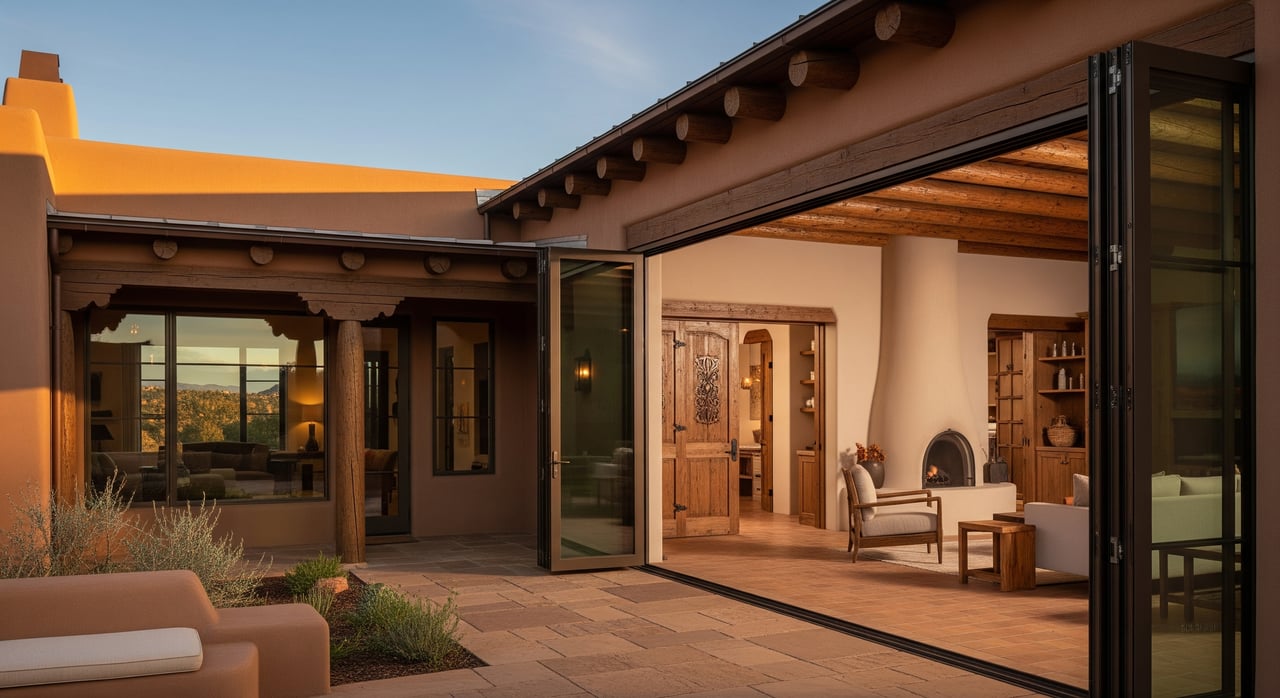
- Stage for the Santa Fe buyer: highlight Pueblo-style details, warm materials, outdoor living spaces, and any views.
- Invest in professional photography, accurate floor plans, and a virtual tour. Showcase energy and utility improvements.
HOA rules and documents
If your Vista Primera property is in an HOA, early document prep saves time later.
- Gather CC&Rs, rules, fee details, and any special assessment information.
- Note restrictions that affect value or financing, such as short-term rental rules or exterior design controls.
- Buyers, lenders, and appraisers will review these, so keep them handy.
When to pivot on price
Price is not set-and-forget in a mixed market. Use objective triggers.
- If you have strong traffic but no offers in the first two weeks, refine your range and confirm condition or presentation gaps.
- If showings are minimal compared to competing listings, recheck price bands and thresholds.
- When nearby properties close at different levels than expected, update your CMA and adjust.
Work with a local guide
Vista Primera pricing hinges on real micro-market signals and the details of your home’s condition and features. A consultative approach helps you select the right strategy, present confidently, and navigate appraisal and negotiations without surprises. With local knowledge, design and staging insight, and a clear comps framework, you can price with precision and move forward with confidence.
If you want a data-backed estimate and a plan tailored to your goals, reach out to the Ralph Alan Real Estate Group. Our team pairs neighborhood expertise with design and project know-how, premium marketing, and an instant valuation tool to guide you from pricing to closing. Get your instant home valuation and a custom pricing strategy today.
FAQs
What is a mixed market in Santa Fe real estate?
- It is a market where neither buyers nor sellers consistently dominate, and outcomes vary by price band, property type, and micro-neighborhood.
How should I choose comps for a Vista Primera home?
- Prioritize closed sales from the same subdivision or nearby streets within the last 3–6 months, then adjust for differences and market direction.
How do HOA rules affect my home’s price in Vista Primera?
- Fees, CC&Rs, and restrictions can influence marketability and financing, so gather documents early and disclose them clearly to buyers and appraisers.
What pre-list steps help me hit my price target?
- Order targeted inspections, complete cost-effective repairs, stage to highlight Santa Fe features, and invest in professional photos, floor plans, and a virtual tour.
How can I reduce appraisal risk when selling?
- Provide a comps packet, list of improvements with receipts, and clear neighborhood context; be prepared to consider limited concessions if needed.
When should I adjust my list price in a mixed market?
- If strong showings do not produce offers in the first two weeks, or if competing listings outperform yours, revisit your CMA and price bands.