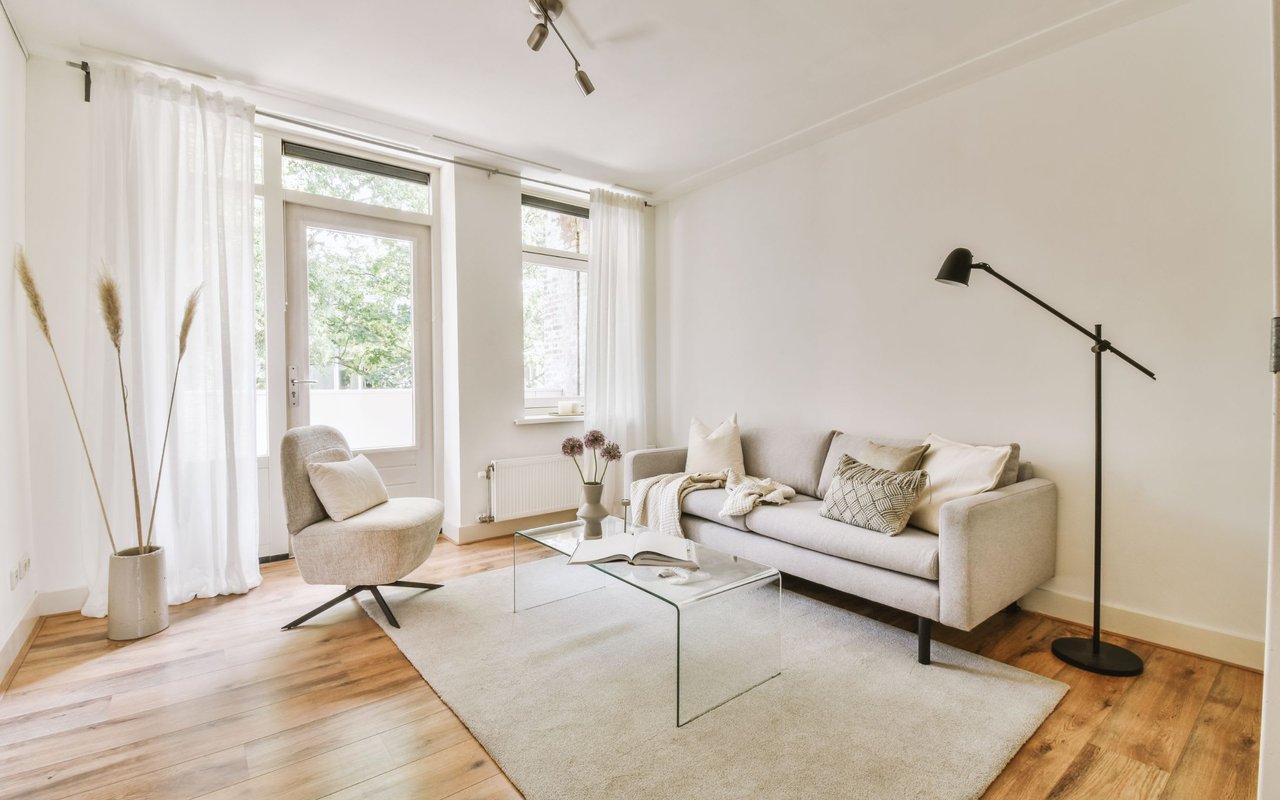
You fall in love with the thick walls, the quiet courtyards, and the sculpted light that only Santa Fe’s Historic Eastside seems to deliver. Then reality sets in. Should you buy an authentic adobe or a newer home that mirrors the style with modern materials and systems? In this guide, you’ll learn how each option performs, what it costs to maintain, how the Historic District’s rules shape your plans, and the inspections that protect your purchase. Let’s dive in.
What “adobe” means here
Core traits of traditional adobe
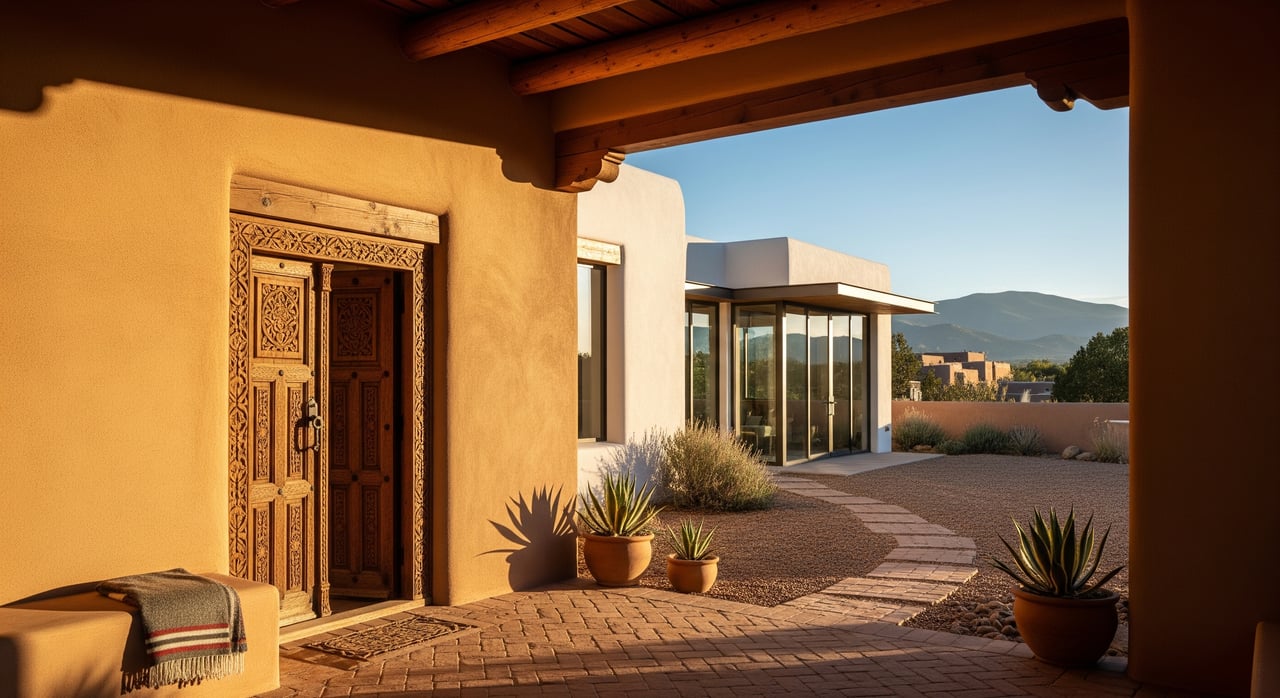
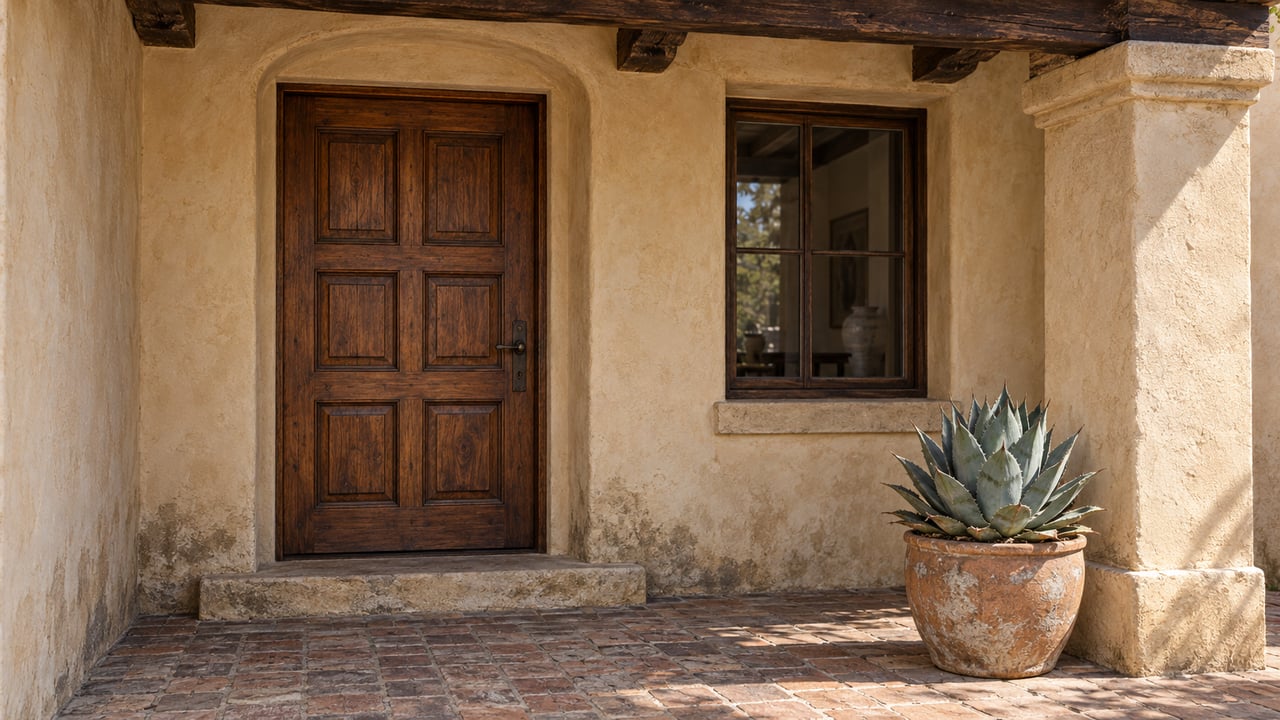
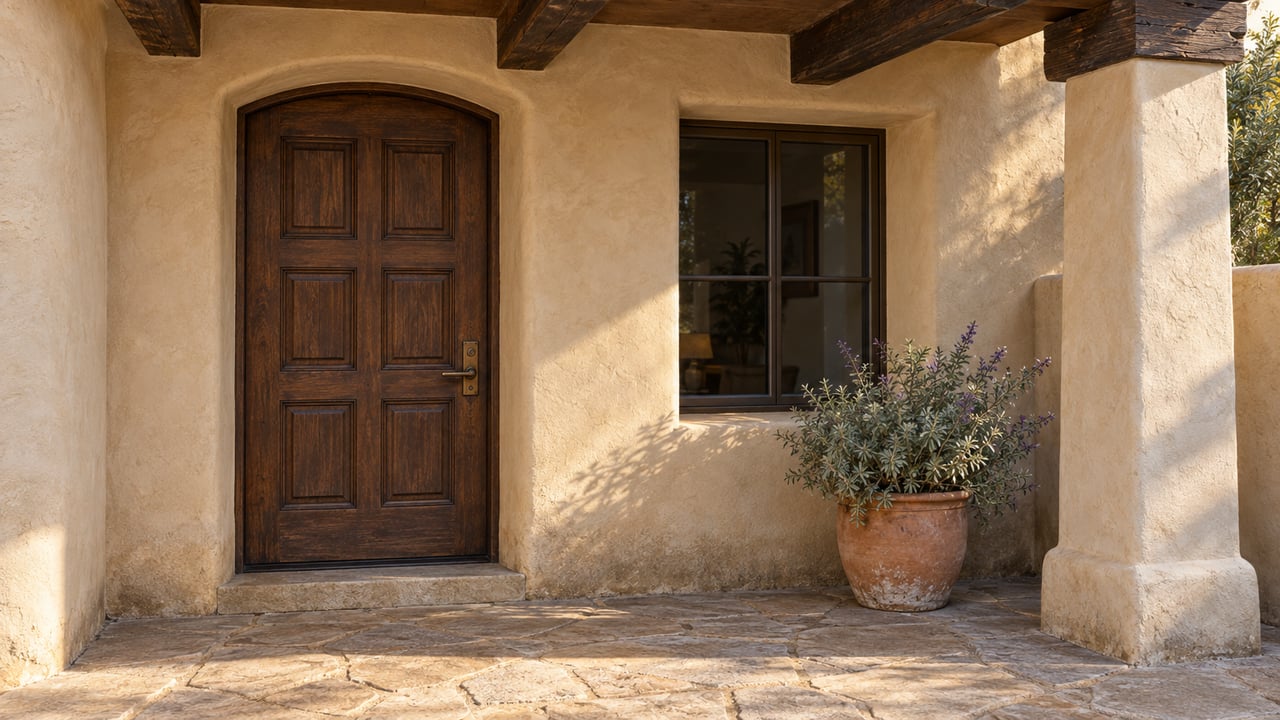
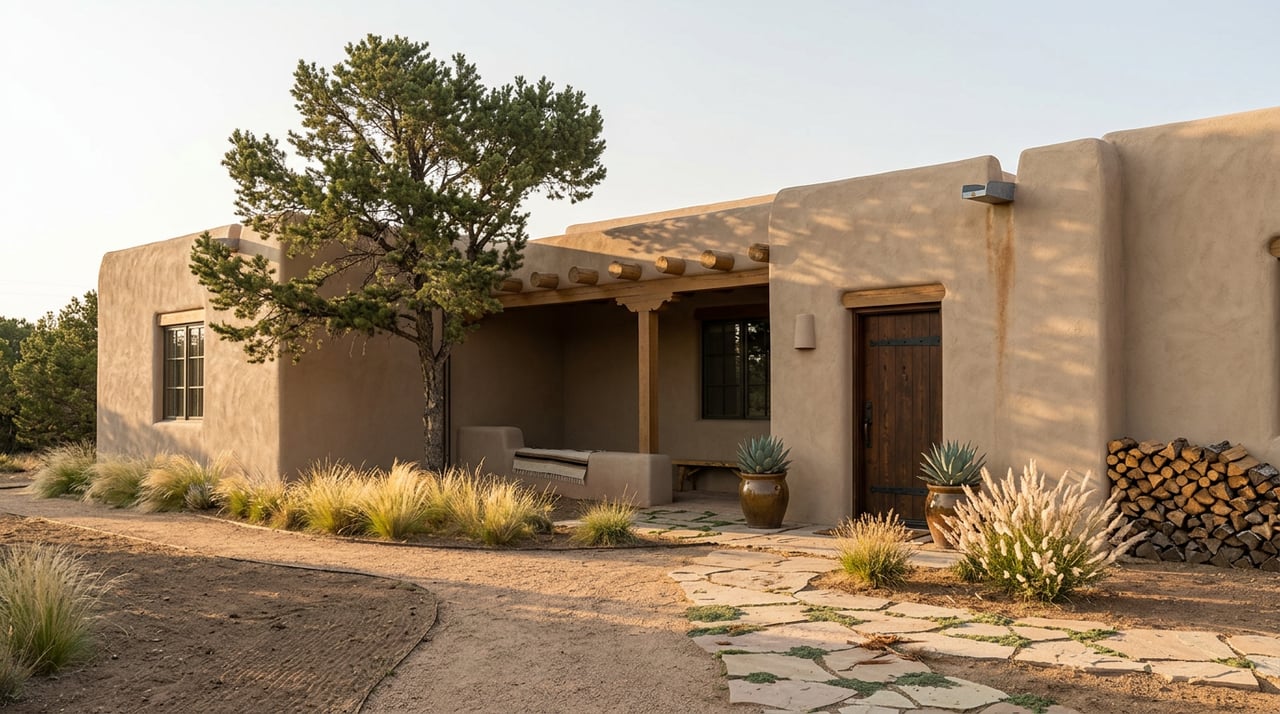
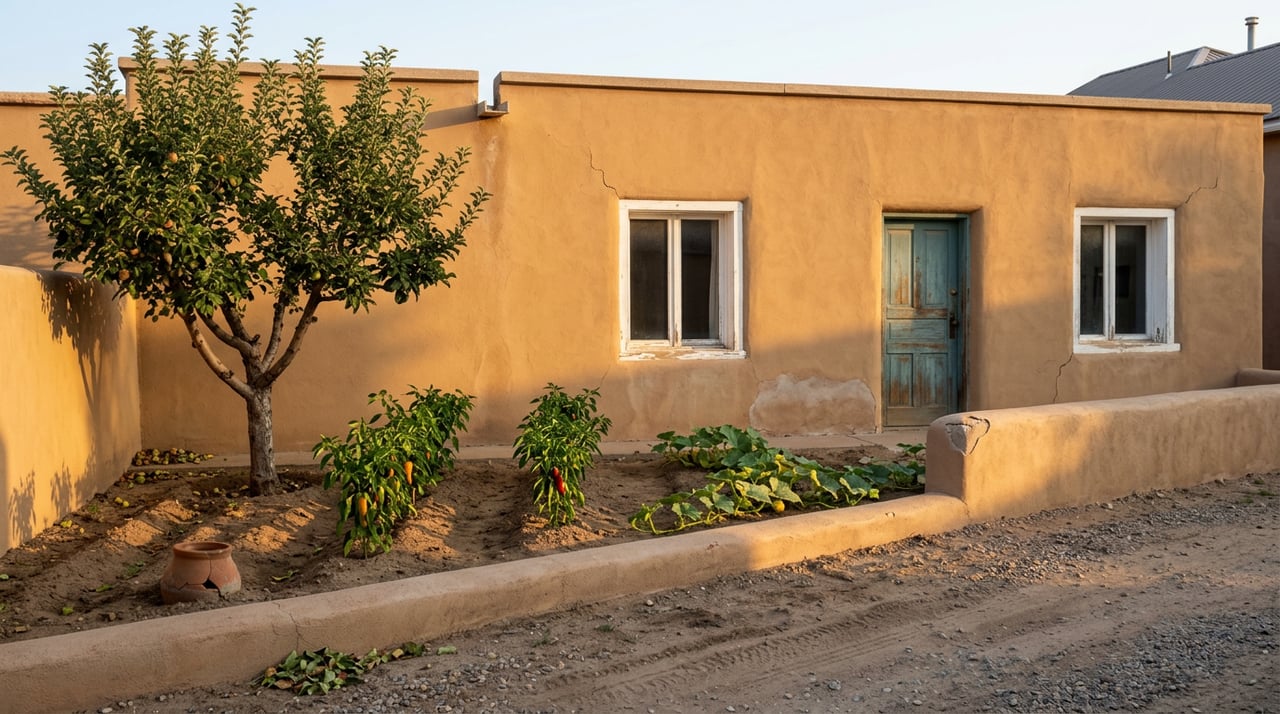
Traditional adobe in the Historic Eastside uses sun‑dried earthen bricks set in earthen or lime mortar. Walls are thick, often 12 to 24 inches or more. You’ll see deep‑set windows, kiva fireplaces, vigas and latillas, and flat roofs with parapets. Exterior finishes are usually earthen or lime plaster, which are breathable and work with the wall system. These homes offer high thermal mass and a quiet, grounded feel, but they have limited tensile strength and low ductility compared to engineered systems.
How newer homes differ in the district
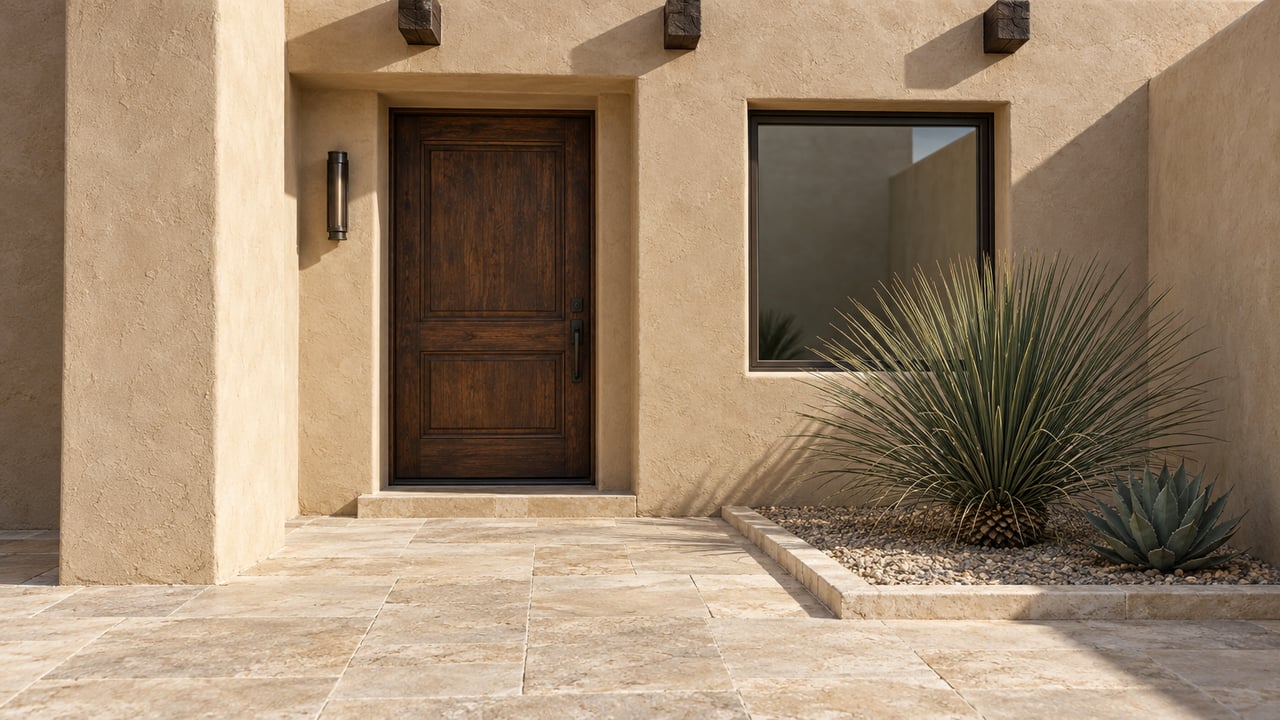
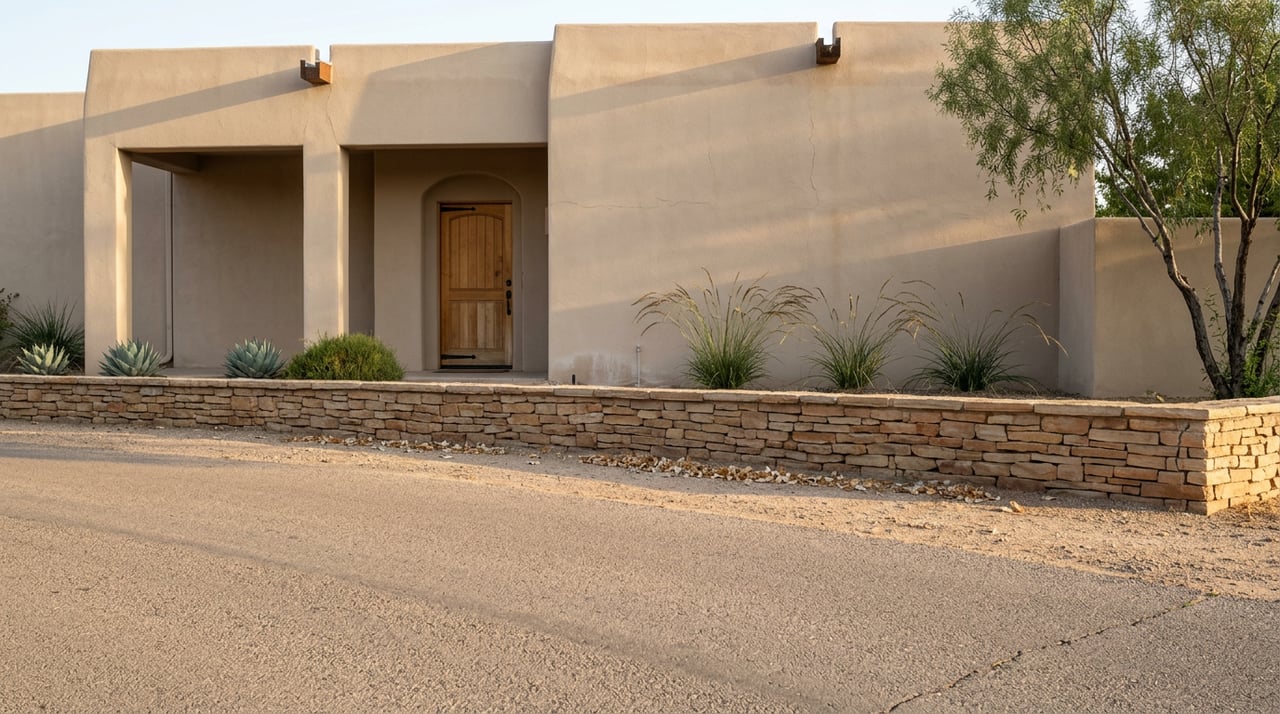
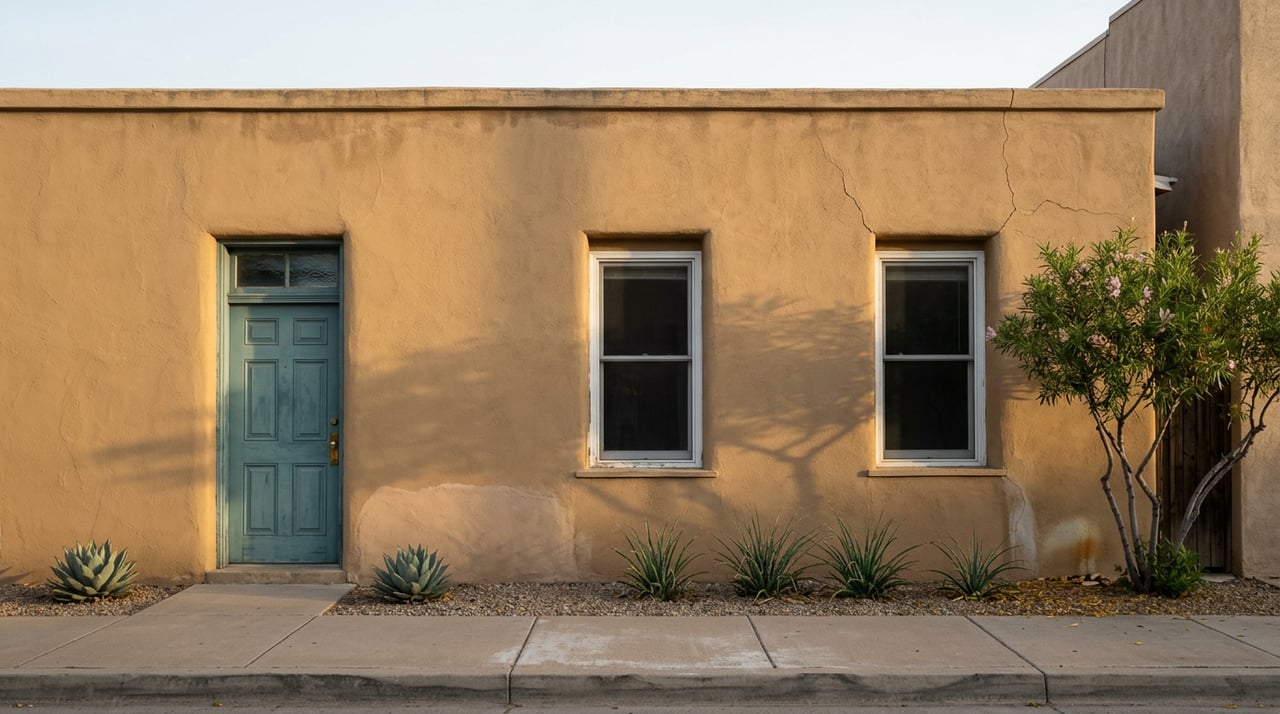
“Newer” here can mean sympathetic infill from recent decades or a contemporary rebuild with modern framing and insulation. Most use engineered wood framing or reinforced CMU, modern foundations, structural sheathing, and membrane roofing. Exteriors often feature cementitious or synthetic stucco over framed or CMU walls, with modern windows and flashing assemblies. Even with updated systems, newer homes in the Historic District still go through local design review so they fit the streetscape.
Living performance: comfort, energy, and durability
Thermal mass vs insulation
Adobe’s thick earthen walls have high thermal mass, which helps moderate indoor temperature swings in Santa Fe’s diurnal climate. That can feel comfortable in summer afternoons. By contrast, uninsulated adobe has a modest R‑value compared to modern insulated walls. Newer construction usually meets or exceeds current insulation standards and can deliver more predictable energy performance when air sealing and insulation are done well.
Moisture and water management
Adobe and traditional plasters are vapor‑permeable. They need to breathe and shed bulk water. Good roof drainage, proper grading, sound parapet and viga flashing, and careful detailing around windows and doors are essential. Trapped moisture degrades earthen masonry. Newer assemblies use housewraps, drainage planes, and vapor control layers to manage moisture, but if Portland cement stucco or impermeable membranes are applied incorrectly over historic materials, they can trap moisture and cause damage.
Structural behavior and seismic considerations
Traditional adobe is an unreinforced masonry system. It performs poorly under strong lateral loads unless retrofitted. Some homes in the Eastside have bond beams, wall ties, or other strengthening, but not all. Newer builds rely on engineered systems with higher ductility and generally better seismic performance when constructed to code.
Maintenance expectations and lifecycle costs
Routine adobe care checklist
- Monitor and maintain plaster. Expect periodic patching or re‑coating of earthen or lime plaster. Touch‑ups often fall in the 3 to 10 year range depending on exposure, with more frequent attention at parapets and wall bases.
- Stay ahead of roof and flashing. Flat roofs with parapets are common. Keep an eye on membrane condition and flashing at parapets, vigas, and roof‑to‑wall joints. Most moisture issues start here.
- Protect from ground moisture. Maintain positive grading away from walls. Avoid sprinklers against earthen walls and keep water off adobe surfaces.
- Inspect embedded wood. Vigas, lintels, and sills can be points of infiltration and are susceptible to rot or termites. Regular checks and timely repairs pay off.
- Update legacy systems. Older electrical and plumbing are common in historic homes. Plan for upgrades to improve safety and capacity.
Routine care for newer construction
- Watch stucco and sealants. Cementitious and synthetic stuccos can crack. Repair promptly to keep water out. Proper control joints and drainage layers reduce risk.
- Maintain modern roofs. Membranes vary in life expectancy, often 20 to 30 plus years with routine care. Keep drains, scuppers, and parapets clear.
- Service HVAC and check insulation. Mechanical systems need routine service even if the building envelope is tight.
Big‑ticket items to budget for
- Adobe structural upgrades. Seismic strengthening, bond beams, ring beams, or diaphragm anchoring may be needed and can be significant investments.
- Foundation stabilization. Some older homes lack continuous deep foundations. Settlement or moisture undermining can require underpinning.
- Replastering projects. Large‑scale replastering is labor‑intensive and should use lime or earthen plaster compatible with adobe. Improper cement stucco can trap moisture and accelerate deterioration.
- Moisture remediation. Chronic issues near parapets or wall bases can damage adobe and finishes. Long‑term fixes focus on exterior water control.
- Newer‑home repairs. Failures often involve flashing, stucco cracks, or drainage defects. Repairs are typically more standardized and materials are widely available.
Cost predictability and insurance
Newer construction usually offers more predictable maintenance and clearer warranty histories. Adobe costs vary with material condition, repair history, and the availability of skilled craftspeople. Because experienced adobe masons and preservation specialists are fewer, labor can command a premium. Insurance and replacement cost assumptions can also differ for historic adobe. It is wise to discuss coverage and premiums with your insurer early in the process.
Historic District rules that shape your plans
Local oversight and design standards
Exterior work in the Historic Eastside typically requires review by the City of Santa Fe’s Historic Preservation staff and may need a Certificate of Appropriateness before permits are issued. Design guidance favors preserving character‑defining features such as parapets, vigas, adobe walls, window proportions, and rooflines. The goal is compatibility with the historic context.
Permits and materials choices
Structural work, foundations, roofing, window or door replacements, and major electrical or plumbing upgrades require permits. If the work is visible from public ways, expect historic review. Review often prefers repair over replacement and favors traditional materials that will not harm historic fabric. Non‑breathable cement stucco over adobe is often discouraged because it can trap moisture. Some work requires licensed contractors, and historic scopes may call for craftsmen with adobe or preservation experience.
Practical implications for your timeline
- Build in extra time for approvals when planning visible exterior work or additions.
- Expect limits on changing historic window openings or roof forms, or be ready for mitigation requirements.
- Early consultation with the City’s Historic Preservation Division helps you understand what is feasible and what documentation is needed.
Buyer due diligence checklist
Documents to request from the seller
- Maintenance and repair history, including replastering, roof replacement, seismic retrofits, foundation work, and system upgrades.
- Building permits history and final inspections for major work.
- Warranties for recent systems such as roofing or HVAC.
- Certificates of Appropriateness or other historic approvals for exterior work or additions.
Inspections to schedule before you commit
- General home inspection by someone experienced with adobe and historic buildings.
- Adobe‑savvy structural or historic specialist to assess wall integrity, embedded wood, and seismic needs.
- Flat‑roof inspection by a contractor familiar with parapet and viga flashing in Santa Fe.
- Moisture diagnostics using infrared and moisture meters focused on parapets, lower wall zones, and penetrations.
- Termite and pest inspection for vigas, sills, and other wood members.
- Electrical and plumbing evaluations for capacity and condition.
- Energy audit with blower door and thermography if efficiency matters to you.
- Foundation or geotechnical review if you see settlement indicators or notable cracks.
Red flags to watch during showings
- Extensive or repeated plaster patches that may hide deteriorated adobe.
- Staining, soft spots, bulges, or efflorescence on lower walls indicating chronic moisture.
- Portland cement stucco applied directly over adobe, which can trap moisture and accelerate decay.
- Missing or failed flashing at parapets, viga penetrations, and roof‑to‑wall joints.
- Significant horizontal or diagonal cracks that may indicate movement.
- Major structural or foundation work without permits or documentation.
Smart contract terms
- Include contingencies for specialty inspections by adobe and historic preservation professionals.
- Negotiate repair escrows or credits for known items like roofing, seismic strengthening, or replastering.
- Clarify responsibility for obtaining any outstanding permits or delivering final approvals for past work.
Decision guide: which is right for you?
Choose adobe if you value
- Authentic historic character, cultural resonance, and handcrafted details.
- The way thermal mass softens daily temperature swings.
- High market appeal among buyers who prioritize historic homes.
- A hands‑on stewardship mindset and comfort with preservation‑minded maintenance.
Choose newer construction if you want
- More predictable maintenance and utility performance.
- Modern insulation, air sealing, and mechanical systems out of the box.
- Generally better engineered seismic performance.
- Easier upgrades without disturbing historic fabric.
Lifestyle and cost fit
Owning historic adobe rewards proactive care and a willingness to work with specialists. Newer homes can reduce day‑to‑day demands but still need vigilance around stucco cracks, drainage, and roof details. Either path can be a great fit in the Historic Eastside if you understand the trade‑offs and plan your inspections, approvals, and maintenance budget up front.
Ready to compare properties?
If you are weighing adobe charm against newer‑build convenience in the Historic Eastside, you do not have to choose blind. Our team pairs deep local provenance with hands‑on design and building know‑how to help you assess construction quality, navigate historic approvals, and line up the right inspections. When you are ready, connect with the Ralph Alan Real Estate Group for buyer representation, curated neighborhood guidance, and project management support that keeps your goals at the center.
FAQs
What are the biggest performance differences between adobe and newer homes in Santa Fe’s Historic Eastside?
- Adobe offers high thermal mass that evens out temperature swings, while newer homes typically deliver higher insulation levels, tighter air sealing, and more predictable energy performance.
Do I need special approvals to remodel in the Santa Fe Historic District?
- Yes. Most visible exterior changes require review by the City’s Historic Preservation staff and may need a Certificate of Appropriateness before building permits are issued.
How often should adobe plaster be refreshed in Santa Fe’s climate?
- Expect touch‑ups roughly every 3 to 10 years depending on exposure, with more frequent attention at parapets and wall bases; full replastering is less frequent but more involved.
What inspections are most important when buying an adobe home in the Historic Eastside?
- In addition to a general inspection, schedule a historic/adobe specialist review, a flat‑roof and flashing inspection, moisture diagnostics, pest checks, and system evaluations.
Are newer homes in the Historic Eastside still subject to design review?
- Yes. Even newer construction in the Historic District is typically reviewed to ensure exterior compatibility with the neighborhood’s historic character.