Experience the Historic Eastside Santa Fe Lifestyle
February 5, 2026
February 5, 2026
What does a typical Tuesday feel like in Santa Fe’s Historic Eastside? Think crisp, high-desert air, adobe walls catching morning light, and the gentle rhythm of an old neighborhood that still lives at a human scale. If you’re drawn to walkable streets, galleries, and intimate courtyards, this pocket of the city delivers a rare blend of everyday ease and cultural depth. In this guide, you’ll get a clear picture of daily life, from morning routines and weekend traditions to housing realities, preservation rules, and practical tips for living well at 7,200 feet. Let’s dive in.
You wake to clear sun, cool air, and a sky that turns cotton-candy pink over the Sangre de Cristo foothills. Dog walkers move along narrow lanes and acequias, and the smell of woodsmoke lingers on colder days. Cafés buzz with neighbors grabbing breakfast, and the sidewalks near the Plaza and Canyon Road fill with a quiet mix of locals and early gallery staff.
As the morning unfolds, the Cathedral’s bells mark time in the background. Errands are simple if you stick to the core. Many day-to-day needs are within a short walk or a few minutes by car, which makes the Eastside feel effortless even when the city is busy.
By midday, galleries and small museums open, and lunch patios come to life. On Saturdays, the Railyard Farmers’ Market draws residents for fresh produce and local goods, which makes it a weekly ritual for many. The walk back through the historic district is a reminder that the city is small, but it carries a lot of cultural energy.
Afternoons on the Eastside tend to slow down in the residential alleys and courtyards. You might hear the sound of a contractor working on an adobe wall or see a neighbor tending a xeriscaped garden. Studio visits and gallery openings often land in the late afternoon or early evening, especially in the warm months.
Evenings bring string lights at patios and small live-music venues, plus the glow of fireplaces in winter. In December, farolitos and luminarias create a warm, flickering landscape around the Plaza and Canyon Road. During signature events like Indian Market, Spanish Market, Fiestas, and the opera season, expect a livelier scene with fuller restaurants and more street activity.
Weekends concentrate the city’s visitor energy. Parking tightens, sidewalks get busier, and the Plaza hums well into the evening. Many households lean into the rhythm, timing errands early and heading to local hikes or gallery walks later in the day.
The Eastside’s core is highly walkable, especially around the Plaza and Canyon Road. Many errands can be handled on foot if you live close to the center. That said, some larger grocery trips and specialty shopping still call for a short drive.
Parking is the tradeoff for charm. Streets are narrow and spaces can be limited, especially during peak tourism and major events. Some blocks use residential permit rules, so it’s wise to learn local regulations before you host guests or plan projects. Public transit serves central areas, and regional air travel typically routes through the Santa Fe Municipal Airport for limited service or Albuquerque International Sunport about an hour away.
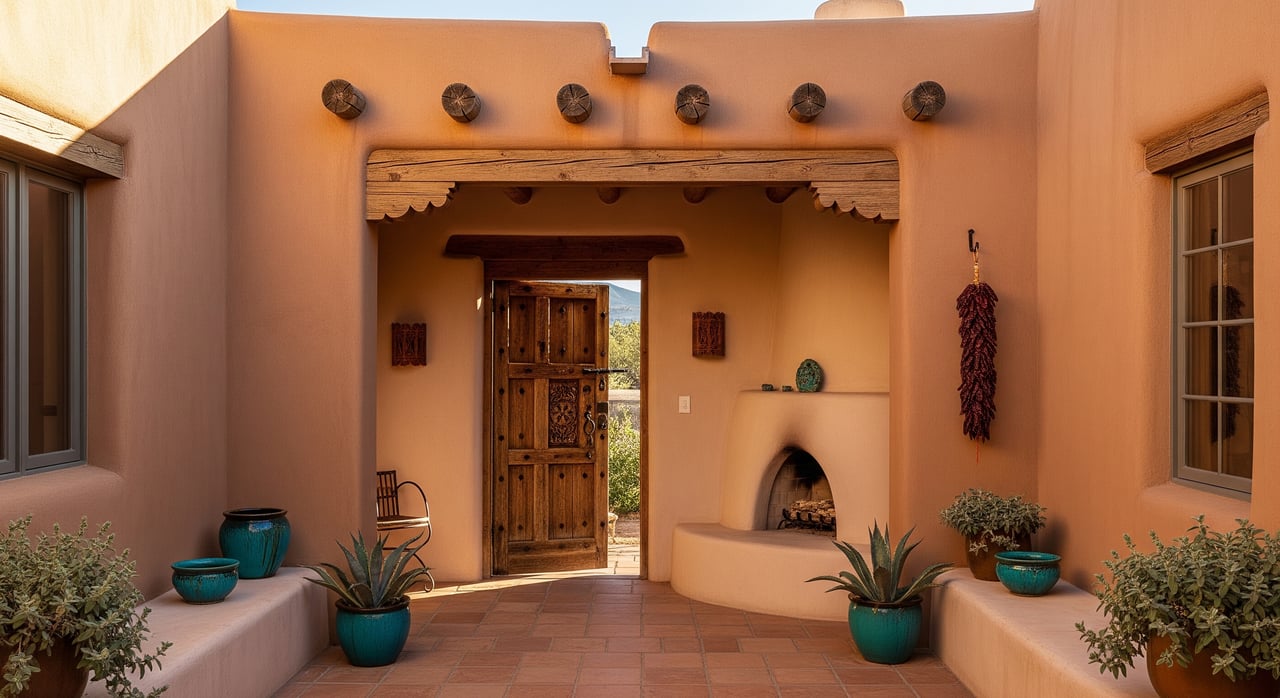
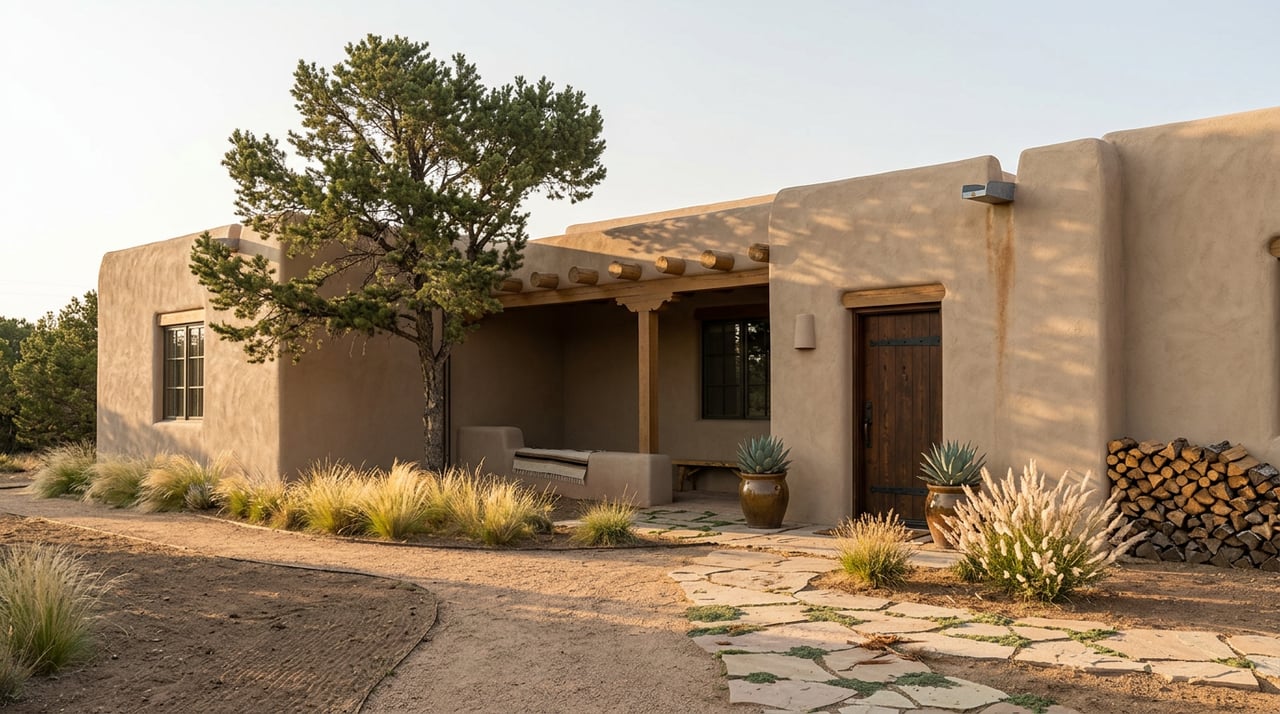
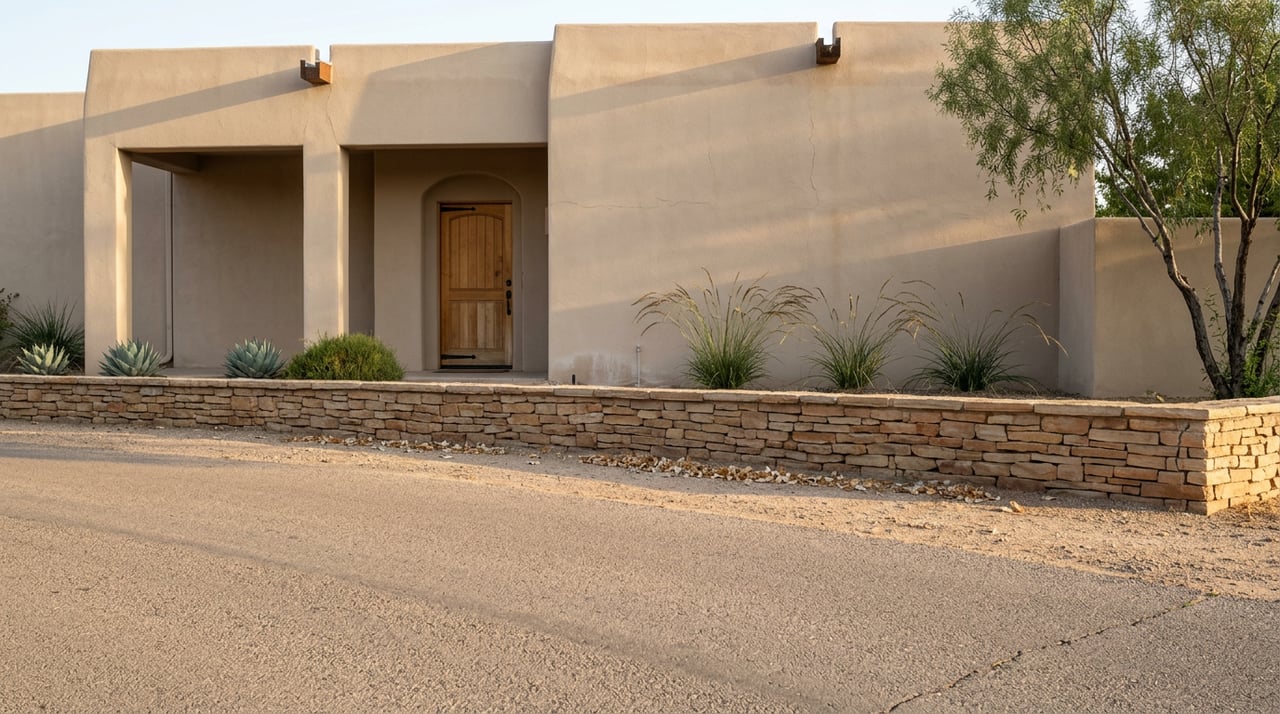
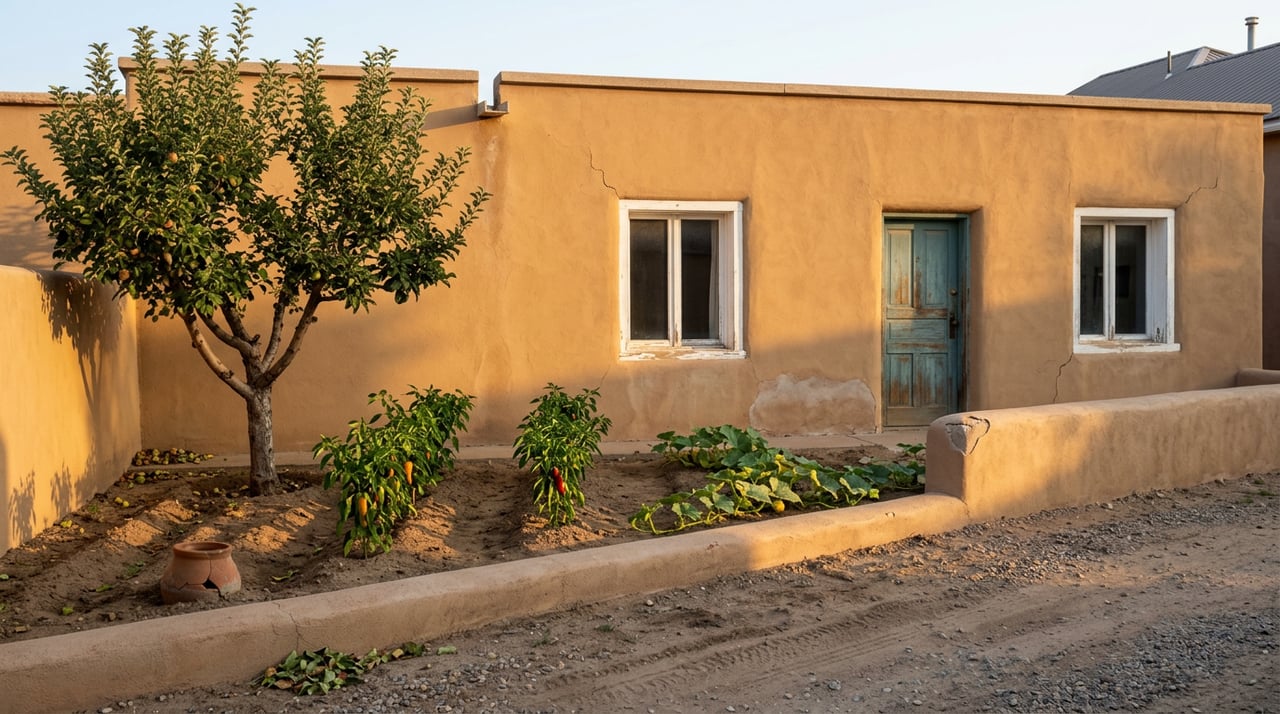
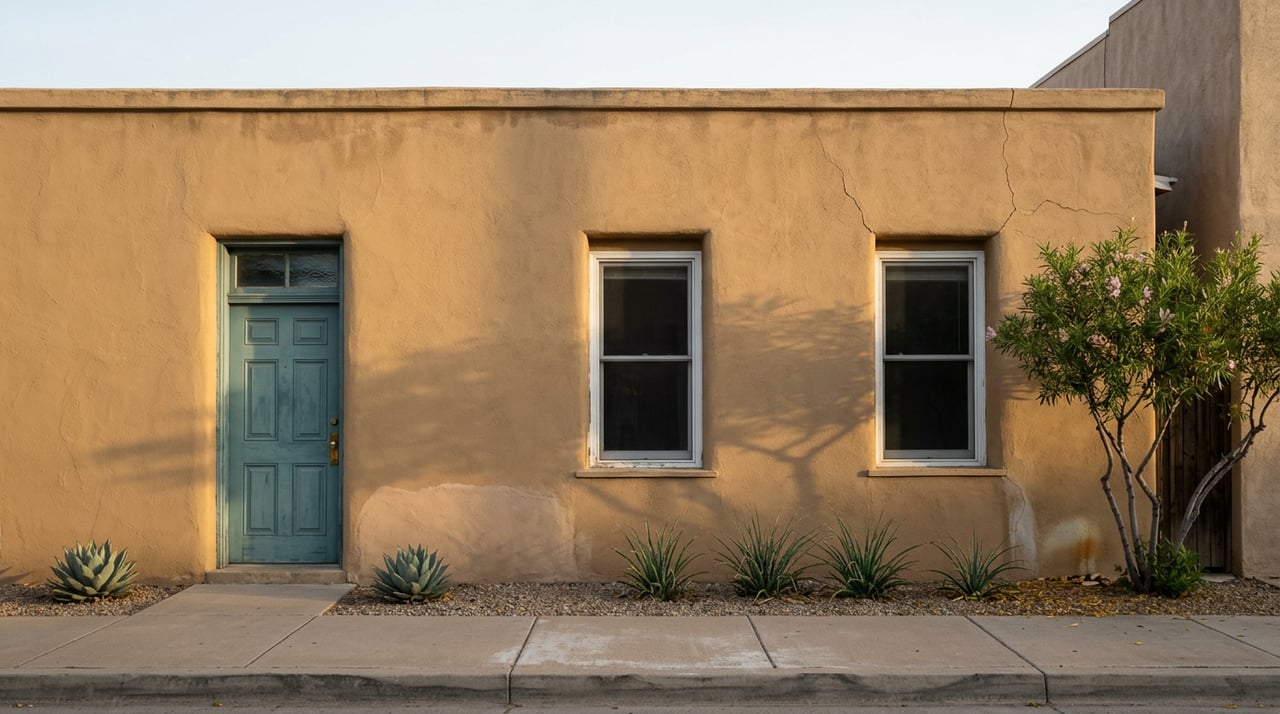
Housing on the Eastside features traditional adobe and Pueblo Revival styles. You’ll see thick earthen walls, flat roofs, vigas, kiva fireplaces, and enclosed courtyards. Many lots have modest street setbacks and a layout that favors privacy and shade.
With historic homes come unique maintenance realities. Moisture control is critical for adobe structures, and periodic stucco or earthen plaster repair is normal. Roof drainage and proper flashing matter more than you might expect. Older homes may also need upgrades to electrical, plumbing, and insulation.
Heating and cooling are a mix of old and new. Many residents use wood or gas fireplaces for ambiance and supplemental heat, plus modern systems such as mini-splits or radiators. Air conditioning is not universal in older houses, and mini-splits are a popular retrofit for efficient cooling and heating.
If you plan to modify a home in the Historic District, expect additional review. Exterior changes like windows, doors, rooflines, additions, and paint often require permits and oversight by the city’s historic preservation bodies. Materials and public-facing alterations are usually held to stricter standards to protect neighborhood character.
Energy upgrades are absolutely possible, but they call for careful planning. Insulation, HVAC, and window solutions should be historic-appropriate, especially on visible facades. Contractors with adobe and preservation experience can save time, prevent costly rework, and help proposals sail through design review.
Short-term rentals remain regulated in Santa Fe. Rules and permitting can affect both neighborhood dynamics and property value, so verify the current status for any property you consider. Doing this early keeps your timeline on track.
Inventory is typically limited in the Historic Eastside, and demand is strong. Price per square foot tends to be higher than in outlying neighborhoods, reflecting location and architectural character. Rentals exist but competition is real, especially for well-located homes in the core.
If you’re relocating, start your search early. It helps to get specific about your priorities, from courtyard privacy to parking arrangements. Touring in different seasons also gives you a better feel for light, temperatures, and the neighborhood pace.
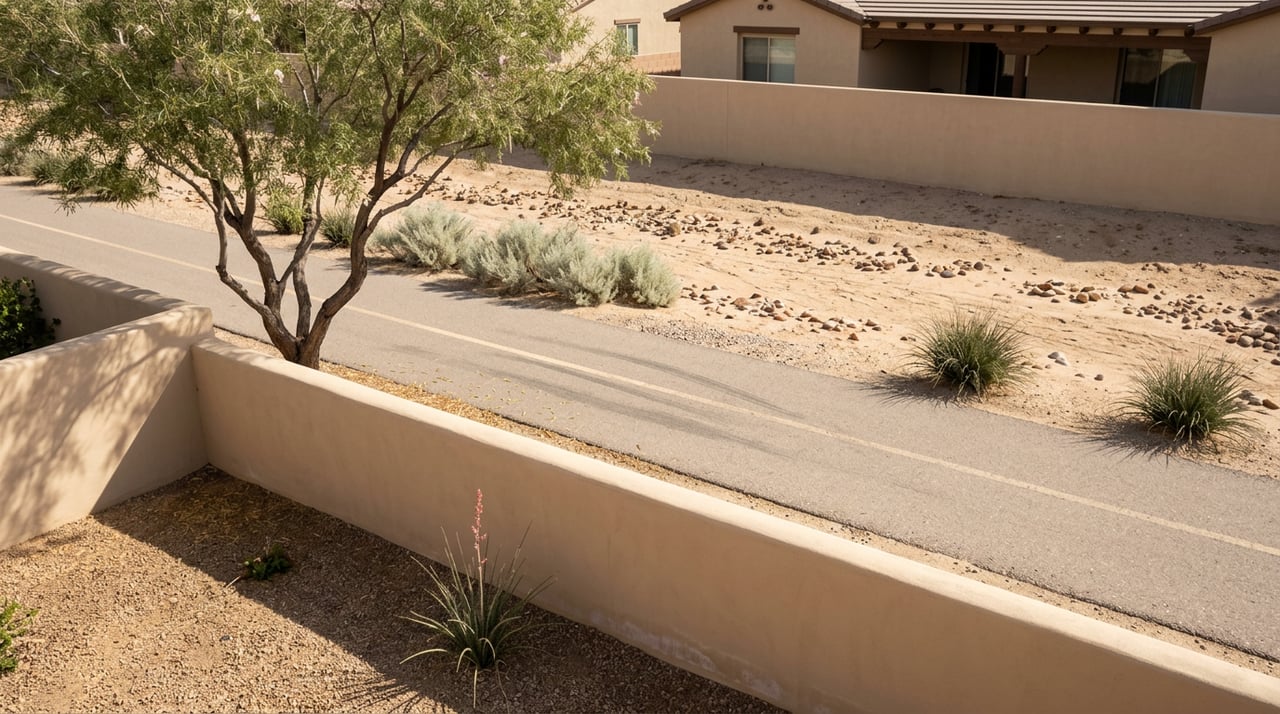
Water conservation is part of everyday life in this semi-arid region. Xeriscaping is common, and municipal rules may tighten during drought periods. Plan your landscaping and irrigation with this in mind and be ready to adjust during seasonal restrictions.
At roughly 7,200 feet, the sun is stronger and the air is dry. Residents typically hydrate more, use sunscreen, and give guests time to adjust to the altitude. Regional wildfire smoke can affect air quality in some summer and fall periods, so an air filtration plan is a smart investment.
Healthcare, schools, and everyday services are accessible within the city, though some specialty care may involve travel to larger metro areas. If you own a historic home, keeping a short list of local contractors who know adobe, roofing, and HVAC will make maintenance smoother.
You can stroll around the Plaza, wander along acequias, or take short urban hikes that lead toward the foothills. Longer trail networks in the Sangre de Cristo foothills are just a short drive away. In summer, plan morning hikes and be aware of afternoon monsoon patterns.
Fall is a local favorite, with crisp weather and vivid color. Winter delivers bright, clear days and the occasional snow walk, which makes the historic streets feel extra serene. Spring brings warming temperatures and more time on courtyards and patios.
The Eastside attracts a mix of long-time locals, artists and gallery owners, small-business proprietors, retirees, and second-home owners. Many residents prioritize proximity to cultural institutions, walkability, and a historic urban setting. If you value a lively civic life in a compact, storied neighborhood, you will likely feel at home.
Use this quick checklist to set yourself up for a smooth transition:
If the Eastside’s rhythm speaks to you, you are not alone. Our team combines local provenance with hands-on design and building insight so you can navigate historic homes, preservation rules, and value-adding upgrades with confidence. When you are ready to tour, discuss renovation plans, or assess market timing, reach out to the Ralph Alan Real Estate Group.
Stay up to date on the latest real estate trends.
Article
Here's What It Actually Did
Get In Touch With Our Team To Learn More
Ralph Alan Real Estate Group
218 Camino La Tierra Suite B2 Santa Fe NM 87506 (505) 986-2000