Should you build a new home or renovate an existing one near Vista Primera? It is a big choice, and the right path depends on your site, your timeline, and how you plan to use the property. You want a clear, local roadmap before you invest. In this guide, you will learn the key checks, rules, timelines, and resale factors that matter in the Vista Primera area so you can move forward with confidence.
Let’s dive in.
Build vs. renovate: quick gut check
Ask yourself these questions to frame your decision early:
- Do you love the location and basic layout of the home you are considering? Renovation may fit.
- Do you need a very different floor plan, higher energy performance, or an ADU that the existing structure cannot support? Building new may be more efficient, subject to zoning.
- Will local design review accept the exterior changes you want? If not, a ground-up design that meets guidelines could be cleaner.
- Are utilities already at the property line? If not, new-build tap fees or extensions can be significant.
What to check first near Vista Primera
Before you commit, verify these items. They can make or break your plan and budget:
- Jurisdiction: Is the parcel in the City of Santa Fe or Santa Fe County? Rules and processes differ.
- Utilities: Confirm whether municipal water and sewer are available, or whether you will need a well and septic. Tap fees and capacity can impact feasibility.
- Zoning: Review allowed uses, height, lot coverage, setbacks, parking, and ADU rules.
- Design review overlays: Determine if any historic, architectural, or neighborhood review applies to exterior work or new construction.
- Easements and constraints: Look for utility easements, rights-of-way, floodplain areas, or wildfire-risk designations on the lot.
- Site and soils: Slopes, expansive clays, or rocky soils may require geotechnical input and special foundations.
A quick feasibility pass on these items gives you realistic guardrails for scope and cost.
Permits and design review in Santa Fe
Santa Fe has strong design traditions. Whether you build new or renovate, expect to work within local processes that protect neighborhood character.
- City vs. county process: Confirm your jurisdiction first. City of Santa Fe and Santa Fe County use different permitting systems and timelines.
- Design review: Exterior changes and all new construction may require review by a design or historic preservation body. Materials, color, rooflines, and massing often receive scrutiny.
- Historic sensitivity: Even if a parcel near Vista Primera is not in a designated district, nearby historic areas or archaeological sensitivity can trigger additional review for ground disturbance.
- Building permits: Structural, mechanical, plumbing, and electrical work require permits. New builds always need full permits, drawings, and sequential inspections.
- Water and wastewater approvals: If you are not on municipal systems, you will coordinate well and septic approvals with state and county agencies.
- Environmental and cultural reviews: Larger excavations may need archaeological coordination with the state historic preservation office.
- Fire requirements: If the property is near vegetated areas, plan for defensible space and ignition-resistant materials.
- Impact and tap fees: City or county fees for water, sewer, and development can materially affect your budget.
A pre-application meeting with planning staff helps clarify which reviews apply, what to submit, and how to sequence approvals.
Costs and timelines: what to expect
Every project is unique, but the drivers are consistent across Santa Fe.
Renovation cost drivers
- Existing condition: Foundation, roof, HVAC, plumbing, and electrical systems drive scope.
- Scope of change: Cosmetic updates move faster and cost less than structural rework or additions.
- Code upgrades: Permitted projects can trigger updates to current code, which adds cost.
- Hazard remediation: Older buildings may need asbestos or lead paint remediation.
New-build cost drivers
- Site work: Grading, retaining walls, and soil remediation can be significant, especially on sloped or rocky lots.
- Utilities: Extending water or sewer and paying tap fees add up if services are not on site.
- Infrastructure: Driveways, septic or sewer connections, landscaping, and irrigation are core budget lines.
- Systems and finishes: New builds include all-new systems and finishes, which sets a higher base cost.
Soft costs for both paths
- Design and engineering: Architect, structural, civil, and sometimes geotechnical services.
- Reviews and permits: Application and review fees for design, building, and environmental approvals.
- Financing and carrying: Interest during construction and any lender-required reserves.
Timelines
- Feasibility checks: Days to weeks.
- Design and schematics: Weeks to months.
- Design review and permits: Several weeks to several months, longer with historic or environmental steps.
- Construction: Small renovations can take weeks. Major renovations or new single-family builds often run many months to over a year.
In many cases, a modest interior renovation finishes faster than a new build. A full structural renovation with design review can rival new-build timelines.
Financing pathways
- Renovation: Cash, HELOC, renovation mortgages, or construction-to-perm rehab loans.
- New construction: Construction-to-permanent loans and specialty new-build lenders.
- Local programs: State and local lenders may offer niche options. Confirm eligibility with your lender.
Early lender conversations help you understand appraisal treatment for additions and new square footage, along with draw schedules and contingencies.
Site realities that shape your decision
Santa Fe’s high-desert environment and soils create practical design and cost considerations.
- Soils and foundations: Expansive clays, rock, or slopes may require engineered solutions. A geotechnical report is commonly recommended for additions or new foundations.
- Solar and views: Orientation and view corridors are prime considerations. New builds offer more freedom to optimize if the existing layout cannot.
- Utilities: Confirm lines and capacity before you design. Extensions and capacity constraints have budget impacts.
- Easements and access: Utility corridors and narrow roads can limit placement and staging.
- Wildfire: Defensible space and ignition-resistant materials may be required in certain areas.
- Cultural resources: Ground disturbance can trigger archaeological coordination on sensitive sites.
Understanding these factors early helps you avoid mid-project surprises.
Resale and market fit near Vista Primera
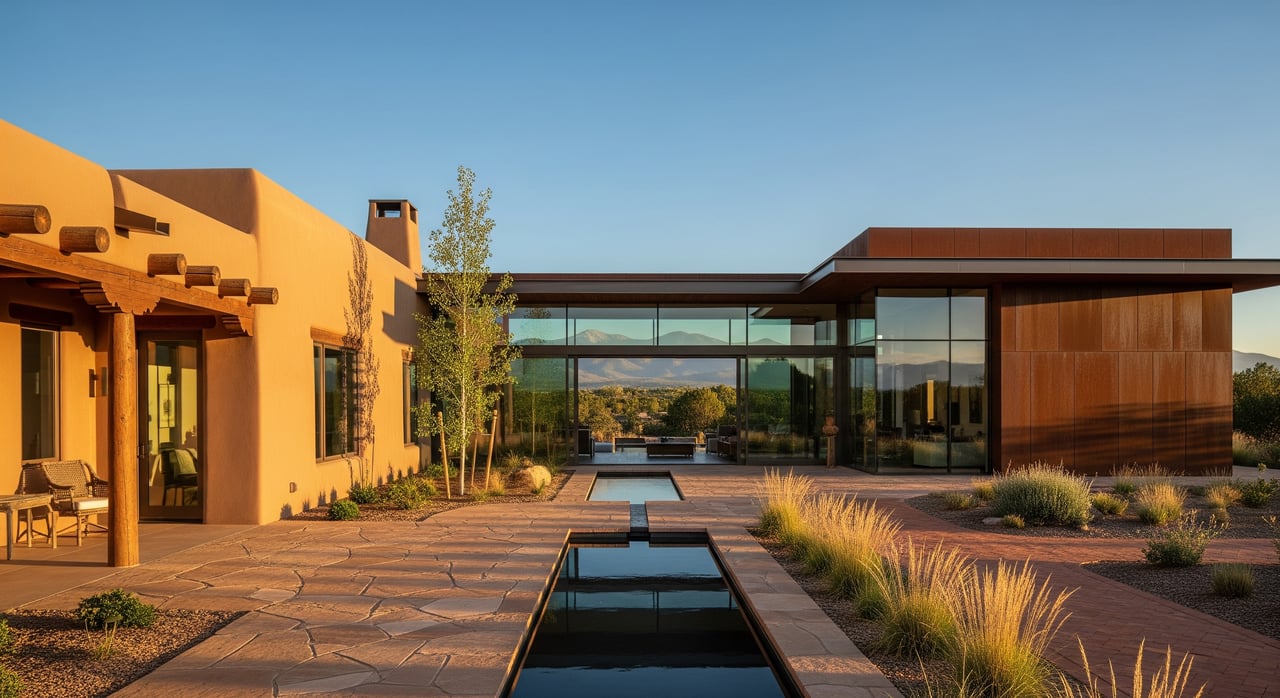
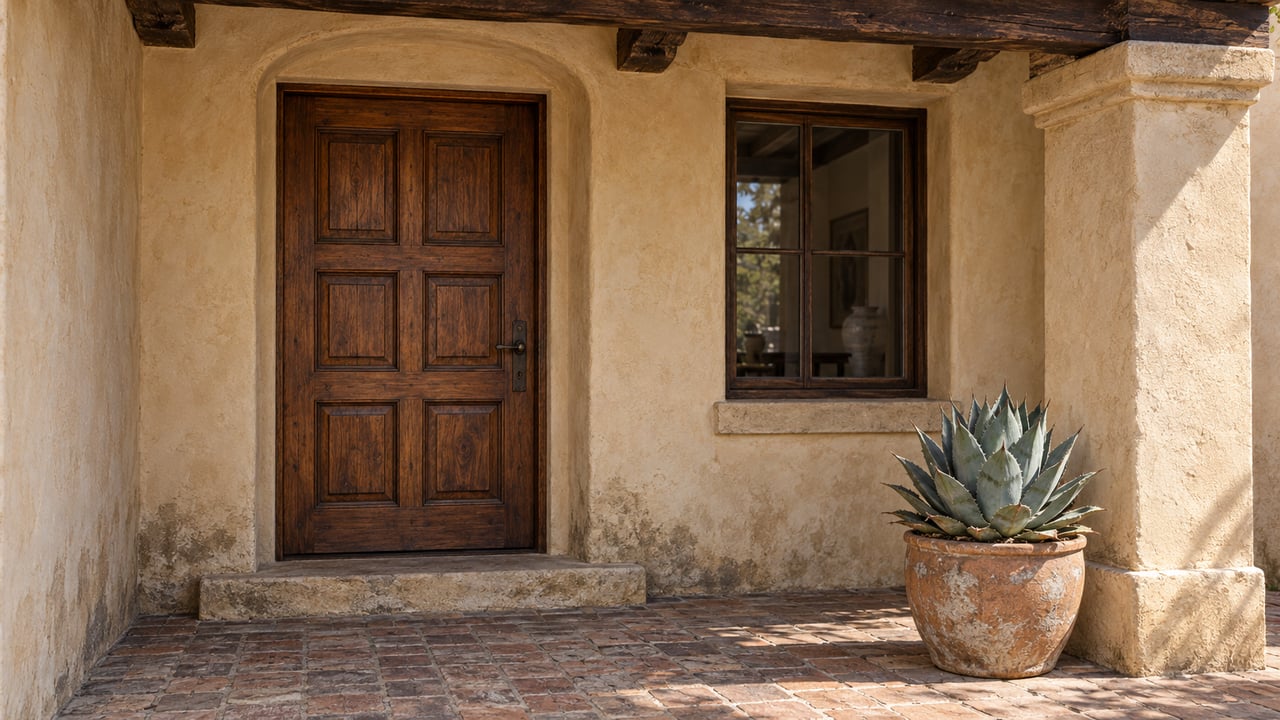
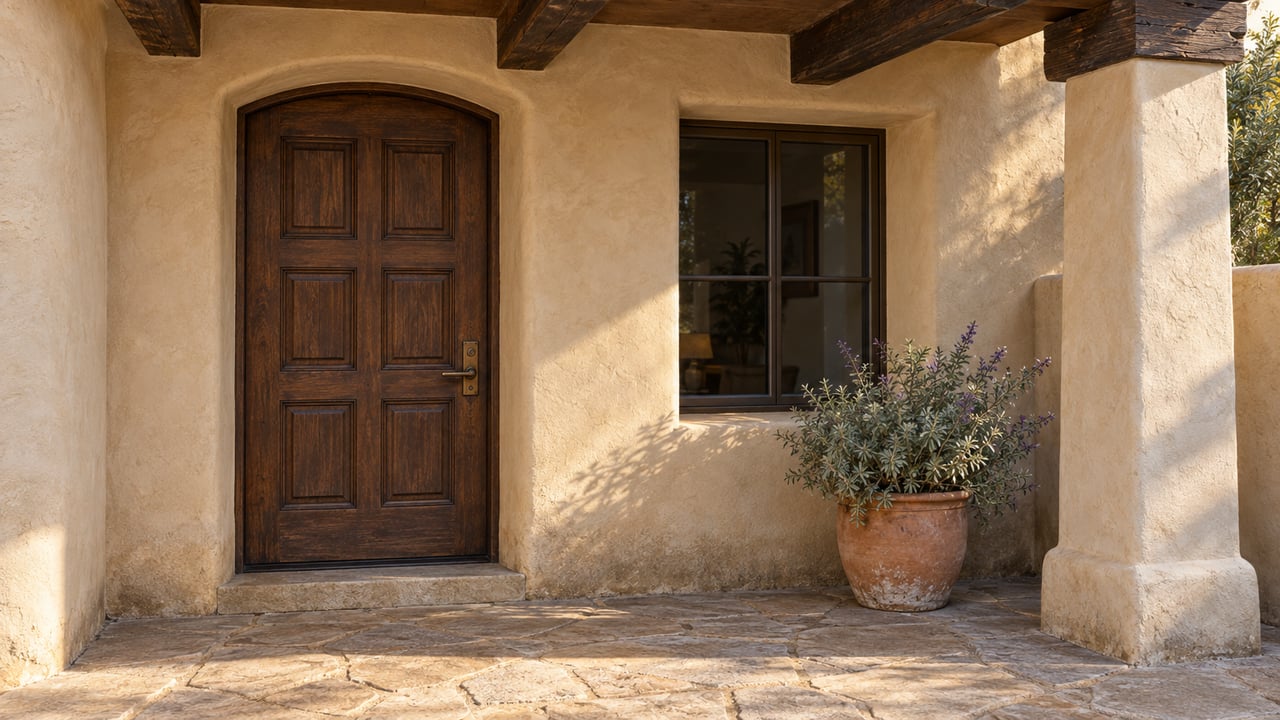
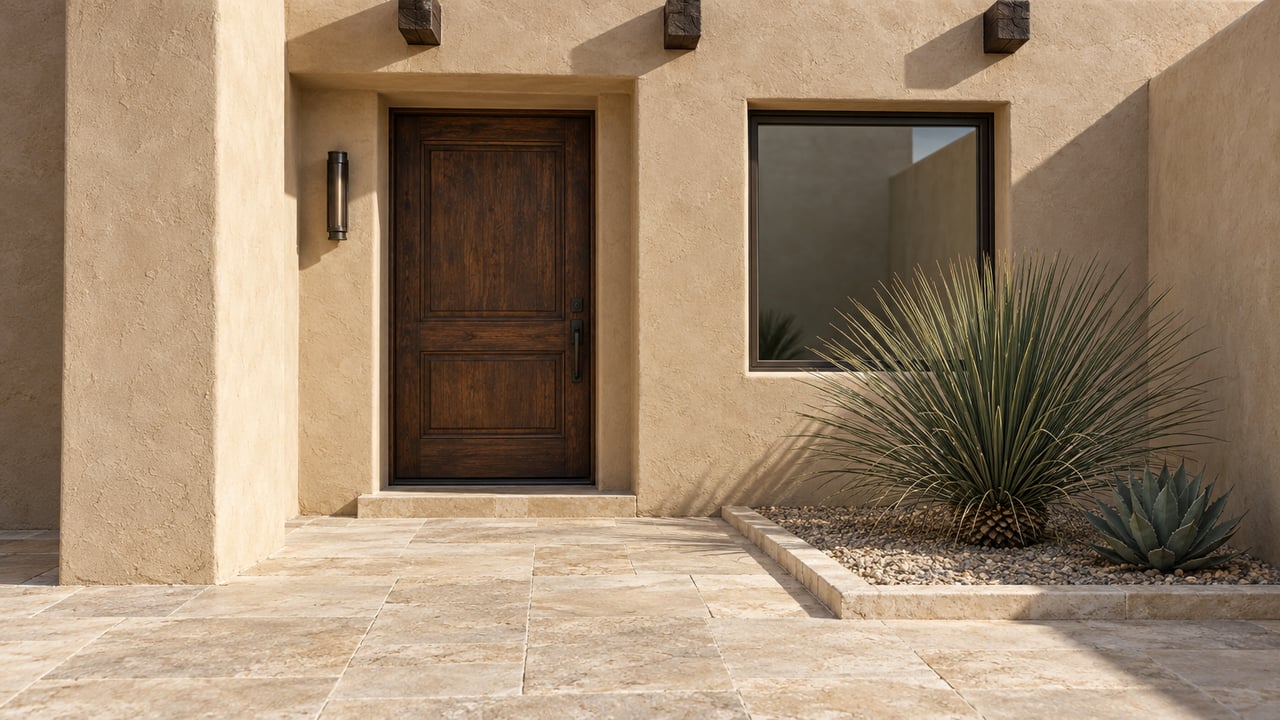
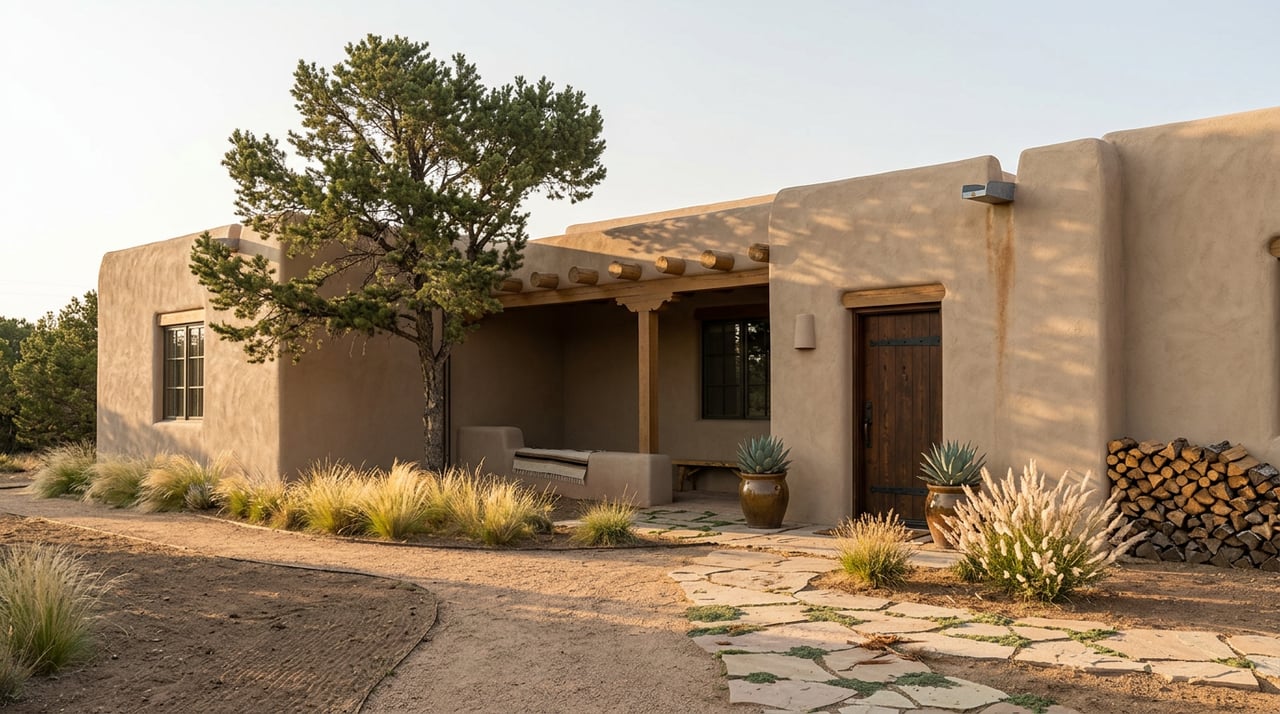
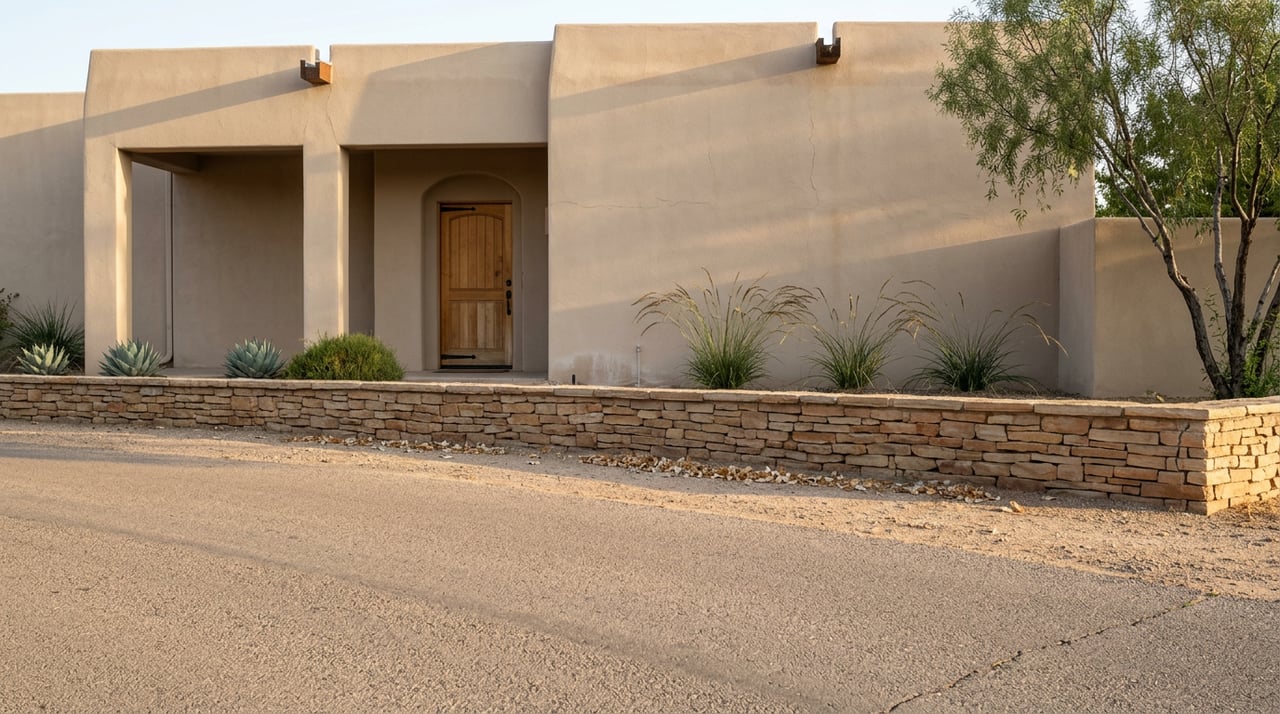
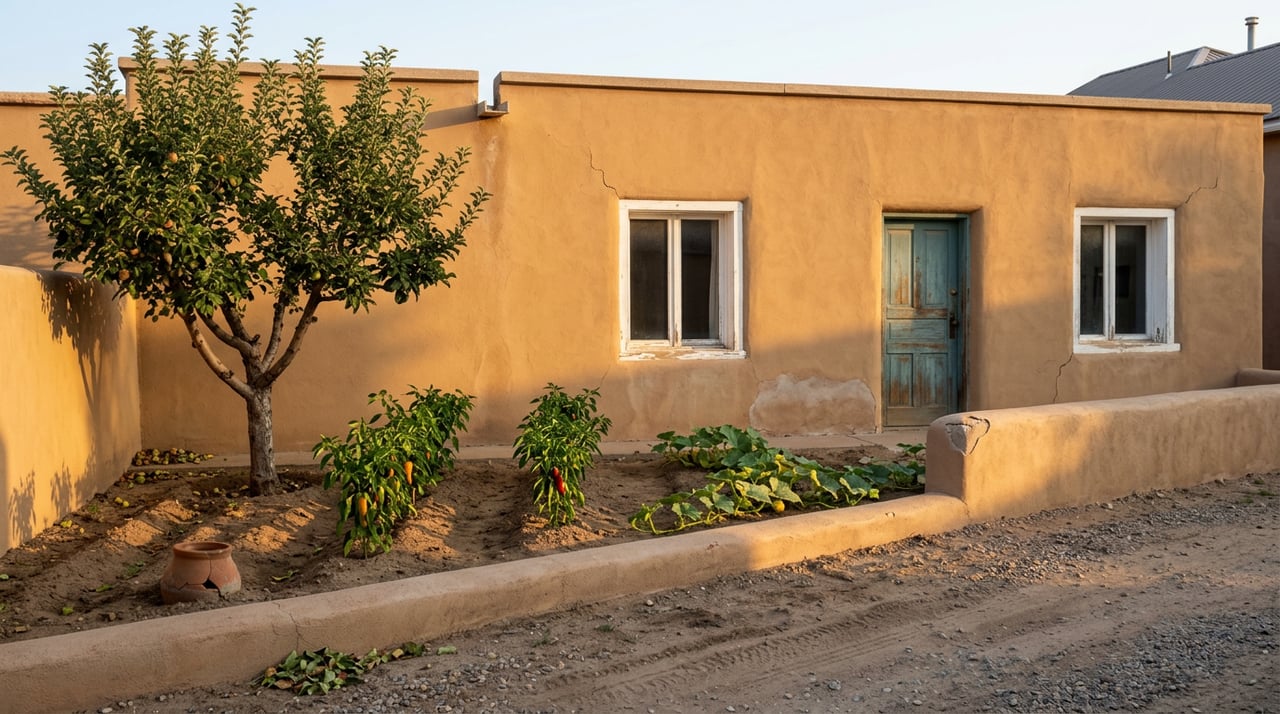
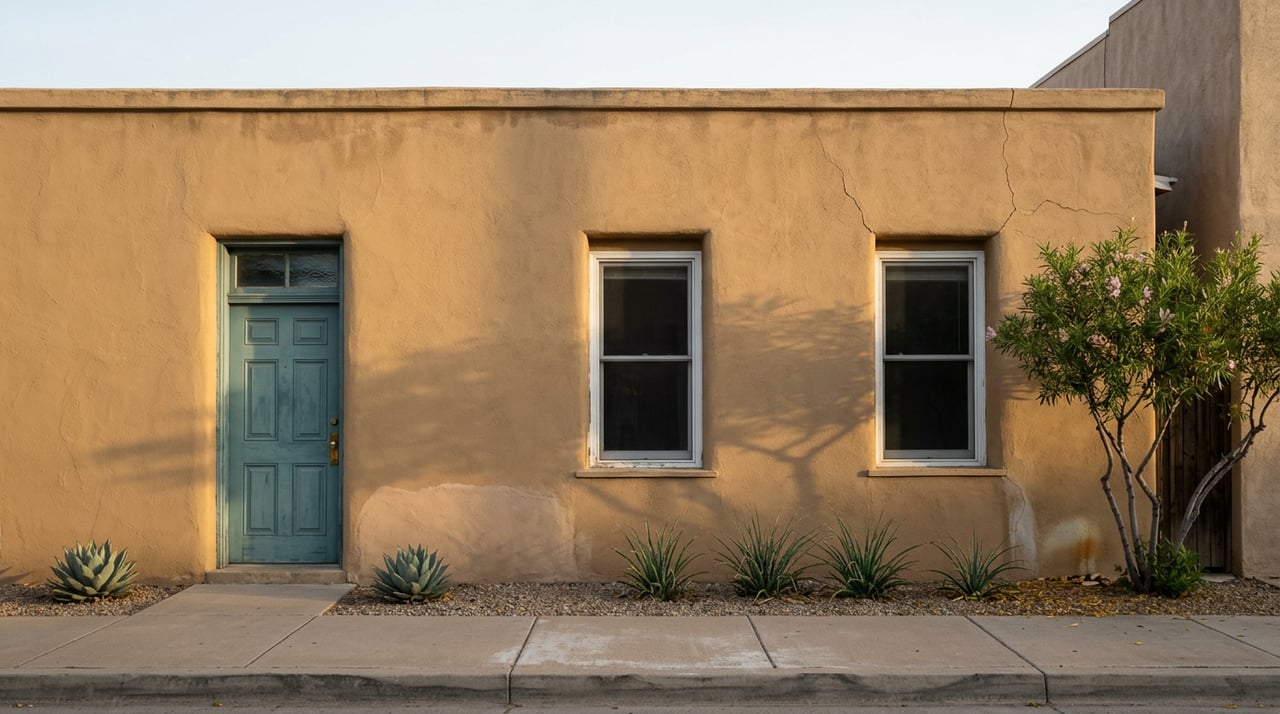
Buyers around Santa Fe value homes that align with local architectural character and scale. Pueblo and Territorial influences, quality stucco work, and thoughtful massing appeal to the market. Indoor-outdoor living, energy efficiency, low-maintenance landscaping, and well-finished kitchens and baths are consistent demand drivers.
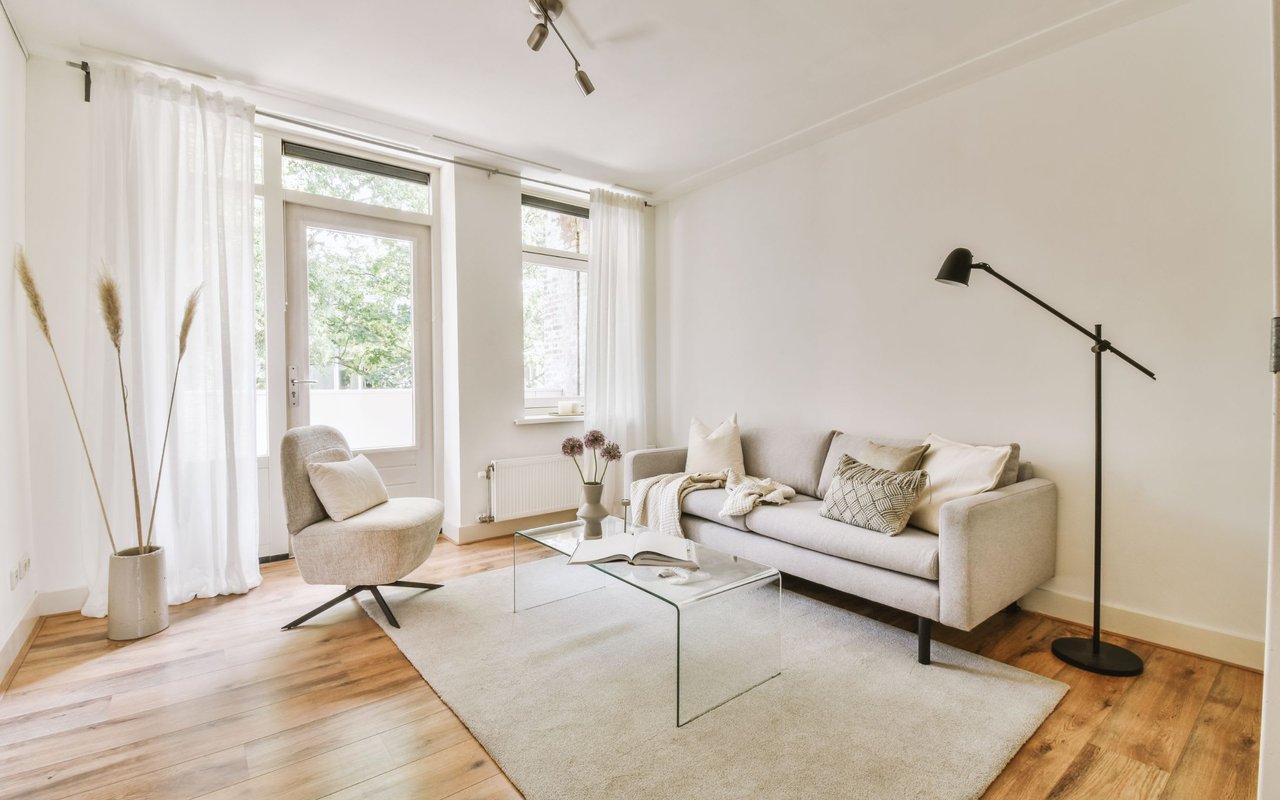
Renovations that modernize kitchens, baths, and building systems often produce strong buyer interest. Ground-up homes can deliver high performance and custom layouts, but they should respect neighborhood context to support resale. ADUs are increasingly desirable for multigenerational living or rental income, subject to zoning and utility feasibility.
For ROI expectations, look at recent comparable sales of renovated versus new-build properties near your target area. Keep scope aligned with neighborhood price bands to improve cost recovery.
Step-by-step decision roadmap
Follow this sequence to choose your path and reduce risk:
- Early feasibility, weeks 1 to 2
- Confirm city vs. county jurisdiction, zoning, and any overlays.
- Check municipal water and sewer availability and potential tap or capacity fees.
- Pull assessor data and a basic topo to understand lot size and slope.
- Assemble your team, weeks 2 to 4
- Engage a local architect or designer familiar with Santa Fe review processes.
- Speak with a licensed general contractor experienced in local soils and stucco systems.
- Add structural, civil, or geotechnical engineers as needed.
- If the site has historic or cultural sensitivity, involve a preservation or archaeology consultant.
- Design and approvals, weeks 4 and beyond
- Develop schematic design aligned with zoning and design guidelines.
- Schedule pre-application conversations with planning staff to confirm submittal needs.
- Coordinate water and wastewater approvals early, especially for wells or septic systems.
- Budgeting and finance
- Price both scenarios at schematic stage to compare apples to apples.
- Confirm financing terms, draw schedules, and appraisal approach for your chosen path.
- Build and closeout
- Allow for sequential inspections through foundations, framing, rough-ins, and finals.
- Complete defensible-space work and any HOA compliance before closeout.
Renovate vs. build: pros and cons
Renovate — Pros
- Often lower soft costs and less material waste.
- Preserves location and mature landscaping.
- Faster for interior-focused scopes.
- Strong buyer appeal when kitchens, baths, and systems are updated.
Renovate — Cons
- Hidden conditions can surface mid-project.
- Existing footprint limits layout options.
- Code upgrades can add cost.
- Energy performance may trail a new build without major upgrades.
Build New — Pros
- Full control of layout and orientation with current code compliance.
- High-performance envelope and systems, with solar readiness.
- Easier to add an ADU or expand square footage, subject to zoning.
- No legacy construction issues.
Build New — Cons
- Higher up-front and soft costs.
- Longer timelines with exposure to cost changes during construction.
- Iterative design review to match local style and scale.
- Tap fees, utility extensions, and site infrastructure can be sizable.
When to renovate near Vista Primera
Renovate if the structure is sound, utilities are in place, and your goals are achievable without major structural changes. You can often refresh kitchens and baths, upgrade systems, and make modest layout improvements within a reasonable schedule. If you value existing landscaping and a mature streetscape, renovation keeps that intact.
When to build new near Vista Primera
Consider a new build if the existing layout cannot support your needs, the structure has significant deficiencies, or you want high-performance systems and solar integration from day one. New construction also suits owners who plan an ADU or a larger footprint, assuming zoning and utilities allow it. Work with a design team to align massing and materials with Santa Fe’s architectural traditions for smoother approvals and better resale.
How we can help you decide
You do not have to navigate this alone. As a locally rooted team with design and build fluency, we help you compare both paths with clarity. We coordinate early feasibility checks, connect you with the right architects and contractors, and benchmark value using current market data. Whether you choose to renovate, build new, or sell and buy elsewhere, we help you execute with confidence and care.
If you are weighing your options near Vista Primera, reach out to the team at Ralph Alan Real Estate Group. We will listen to your goals, map the path, and help you move forward.
FAQs
How do I confirm water and sewer service for a Vista Primera property?
- Start by verifying if the parcel is in the City of Santa Fe or Santa Fe County, then contact the appropriate water authority to confirm service availability, tap fees, and capacity.
What permits do I need to renovate a house near Vista Primera?
- Most structural, mechanical, plumbing, and electrical work requires building permits, and exterior changes may trigger design review depending on jurisdiction and overlays.
Will historic or design review affect my exterior remodel plans?
- Exterior changes often require review and must respect local materials, colors, massing, and rooflines, while interior-only work typically does not require design review.
How long does a new home build take in Santa Fe?
- After feasibility, design and review can take weeks to months, and construction for a single-family home often runs many months to over a year depending on scope.
Should I order a geotechnical report before I add on to a home?
- Yes, if you plan new foundations or the lot has slope or unusual soils, a geotechnical report is commonly recommended and helps avoid costly surprises.
Are ADUs allowed near Vista Primera?
- ADU rules are set by zoning; verify your parcel’s jurisdiction, setbacks, coverage limits, parking, and utility capacity before planning an accessory unit.