Thinking about the cozy glow of a Kiva fireplace or the consistent comfort of radiant floors in your Santa Fe home? You are not alone. Many buyers and sellers in 87505 want the authentic Southwestern look, but also want clarity on efficiency, safety, and resale value. In this guide, you will learn how Kiva fireplaces work, how they compare to radiant heat, and what to consider in our high-desert climate so you can make smart decisions. Let’s dive in.
Kiva fireplace basics
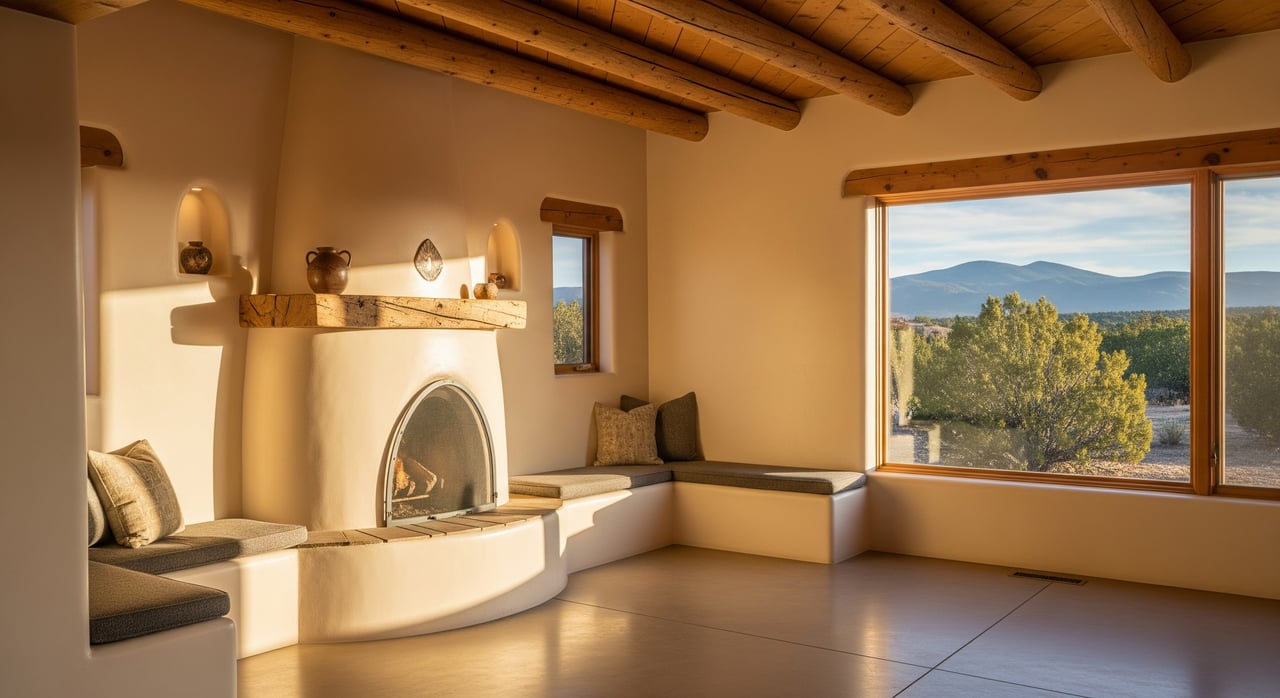
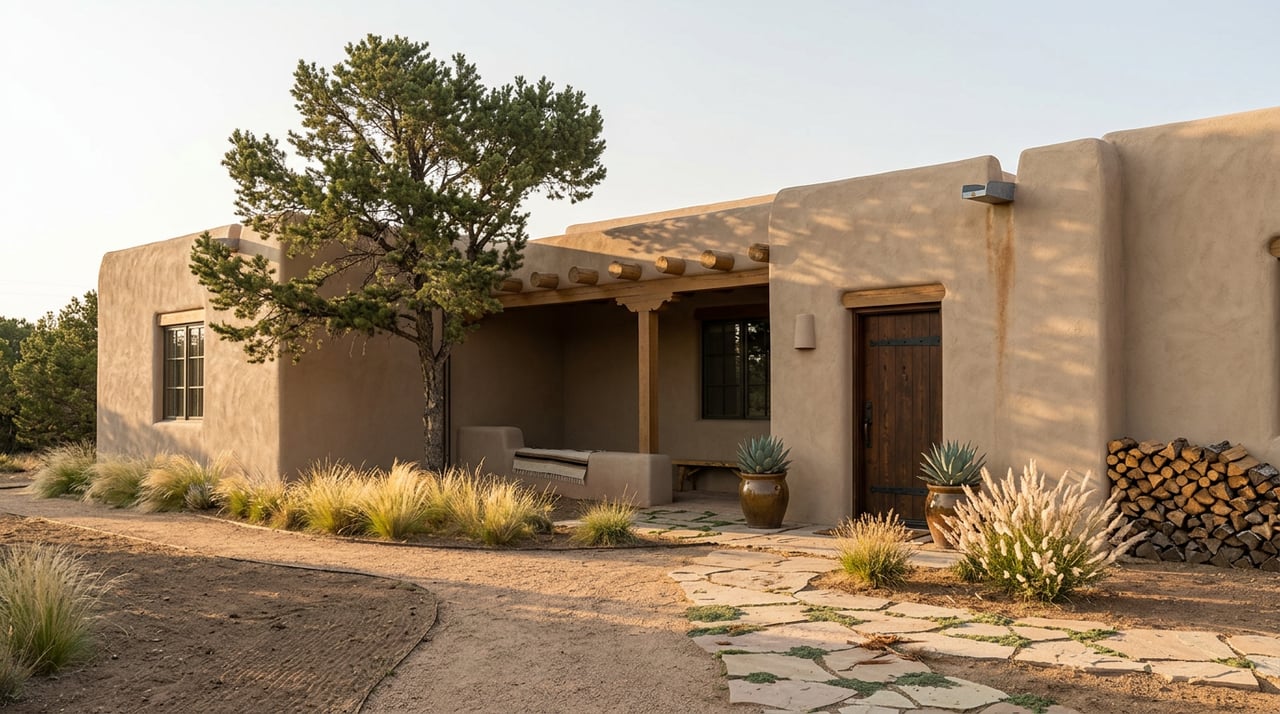
A Kiva fireplace is the rounded, beehive-shaped masonry fireplace you see throughout Santa Fe architecture. It typically has an adobe or fired-masonry core finished with plaster or stucco, with the hearth and flue built into the wall mass. In local homes, a Kiva is often a focal point that adds character and Southwestern style.
Most traditional Kivas are open-faced. They are best for ambiance and supplemental warmth, not for whole-house heating. You will often find them in living rooms or bedrooms, where their radiant glow creates a strong sense of place.
How Kivas deliver heat
Kiva fireplaces warm you mainly through radiant energy and the thermal mass of their masonry. Understanding that helps set the right expectations.
Radiant vs convective heat
- Radiant heat is the direct warmth you feel from the Kiva’s heated plaster and masonry surfaces. It warms objects and people in the room.
- Convective heat is warmed air rising from the fire. In open fireplaces, much of that heat escapes up the flue instead of circulating through the home.
- Thermal mass matters. The masonry absorbs heat while the fire is burning and releases it slowly over hours, which can smooth out temperature swings in the room.
Efficiency at a glance
- Traditional open masonry fireplaces, including Kivas, typically deliver about 10–20% of the wood’s energy as useful heat to the room.
- If higher performance is important, modern wood-stove or pellet inserts sized for the opening can raise efficiency substantially, with many certified models advertising significantly higher efficiencies than an open fireplace.
- A Kiva’s mass can feel pleasantly warm even after the fire is out, but it will not push heat effectively to other rooms.
Kiva vs radiant floor heat
Radiant floor systems, whether hydronic or electric, spread low-temperature heat across the floors and are designed for whole-home comfort. They excel at even temperatures, quieter operation, and steady performance throughout multiple rooms.
A Kiva is a point-source heater. It shines for ambiance and localized radiant comfort, but it does not replace a central heating system or a purpose-built radiant floor if you want whole-house distribution. Many Santa Fe homes pair a Kiva for atmosphere with a separate system for primary heating.
What matters in Santa Fe 87505
Our setting influences how fireplaces perform and what you should check during a transaction.
- High elevation. Santa Fe sits around 7,000 feet. Lower air density can affect chimney draft and combustion. Proper flue sizing, height, and design are important for reliable performance.
- Dry climate. Low humidity can make radiant warmth feel comfortable, but you need to store wood properly to keep it dry and burn efficiently.
- Air-quality advisories. Wood smoke contains fine particles and gases. Local and state agencies may issue seasonal burn advisories or restrictions. Check current guidance before you burn.
- Wildfire context and insurance. Insurers may ask about wood-burning appliances and require basic safety measures such as spark arrestors and proper chimney caps.
- Building codes and historic homes. Older Kivas may predate modern codes. Permits are usually required for installations or major repairs, and historic districts can have preservation guidelines. Retrofitting liners or inserts and verifying permits are common steps.
Safety and maintenance essentials
If you plan to use a Kiva, prioritize safety and documentation.
- Install and test smoke alarms and carbon monoxide detectors on each level.
- Confirm proper clearances to combustibles and that hearth and mantle dimensions meet code for any renovation work.
- Ensure a chimney cap and spark arrestor are in place to keep out animals and embers.
- Schedule annual chimney inspections and sweeping for active wood-burning use. Heavy use may require more frequent service.
- Inspect the firebox, throat, lintel, and masonry for cracks, spalling, or gaps that could allow smoke or hot gases into walls.
- Repair cracks in plaster or stucco where water could intrude. Moisture can degrade adobe and masonry over time.
Smart upgrades for performance
You can improve both safety and comfort without losing the Kiva’s character.
- Add an EPA-certified wood-stove or pellet insert sized for the opening to boost efficiency and reduce emissions.
- Install airtight glass doors to help control airflow and reduce room air loss when the fireplace is not in use.
- Line the chimney with a properly sized flue liner and add a quality cap for draft and safety.
- In very tight homes, consider an outside combustion air intake to reduce negative pressure and potential backdrafting.
- For the most air-quality-sensitive households, sealed gas or pellet options provide alternatives to open wood burning.
Buyer tips in 87505
If you are buying a home with a Kiva, build clarity into your inspection period.
- Ask for service records. Has the chimney been inspected or swept in the past year?
- Verify the presence and condition of a chimney liner and cap.
- Look for smoke staining around the opening, which can indicate draft issues.
- Confirm that any insert or retrofit was permitted and inspected.
- Expect to rely on a separate central system or radiant floors for whole-house heat.
Seller prep checklist
Preparing to list a home with a Kiva? Small steps improve buyer confidence.
- Schedule a professional chimney inspection and sweeping if it has been a year or more.
- Document the flue liner, cap, and any insert model and permit history.
- Repair visible plaster or stucco cracks around the fireplace to prevent moisture issues.
- Share any details about local burn advisories or personal operating practices that promote clean burning, such as using seasoned wood.
Resale perspective
Kivas are a signature touchpoint of Santa Fe style and often enhance a home’s appeal. Some buyers who value efficiency or have respiratory sensitivities may prefer sealed or high-efficiency options. Being transparent about the fireplace’s role as supplemental heat, plus documenting service and upgrades, helps buyers align expectations and move forward with confidence.
When radiant floors make sense
If your goal is even, quiet, whole-house comfort, radiant floors are hard to beat. Hydronic systems pair with a boiler or water heater and distribute heat across rooms. Electric radiant can be useful for targeted spaces. Traditional Kivas typically do not integrate directly with hydronic systems. Specialized masonry heaters with water connections exist, but that is a custom design path that requires professional engineering and local code review.
Your next steps in Santa Fe
If you love the look of a Kiva and want dependable home comfort, you can have both. Treat the Kiva as a character-rich, supplemental heater and use a central system or radiant floors for everyday comfort. During a purchase or sale, prioritize inspection, safety upgrades, and clear documentation.
Ready to weigh options for a specific 87505 property, plan a fireplace upgrade, or decide whether radiant floors fit your remodel? Reach out to the team at the Ralph Alan Real Estate Group for local, design-savvy guidance and a practical plan.
FAQs
Can a Kiva fireplace heat an entire Santa Fe 87505 home?
- Generally no, a Kiva is a localized radiant and mass heater best used for supplemental warmth alongside a central or radiant-floor system.
How efficient is an open Kiva compared to inserts?
- Open masonry fireplaces often deliver about 10–20% useful heat, while many modern inserts or wood stoves advertise substantially higher efficiencies.
What does high elevation mean for a Kiva’s draft?
- At around 7,000 feet, lower air density can affect draft and combustion, so proper flue sizing, chimney height, and design are especially important.
What should buyers inspect on a Kiva in a home purchase?
- Confirm the liner and cap, check for creosote and smoke staining, inspect masonry integrity, and verify permits for any inserts or past modifications.
Are there wood-burning restrictions in Santa Fe?
- Yes, local and state agencies may issue burn advisories or restrictions at times, so you should check current guidance before burning wood.
Can a Kiva connect to a hydronic radiant-floor system?
- Direct connection is uncommon for traditional Kivas; hydronic systems need a boiler or water heater, and specialized masonry heaters require custom design and code review.