Acequia Basics in Agua Fria for Confident Homebuyers
December 4, 2025
December 4, 2025
Buying a home along a historic ditch can be a dream in Agua Fria, but it also brings unique responsibilities. If you have heard the term “acequia” and wondered what it means for your purchase, you are not alone. Understanding how acequias work can help you protect your investment and enjoy the benefits they offer. In this guide, you will learn what an acequia is, how water rights and easements affect a property, and the due diligence steps to take before you buy. Let’s dive in.
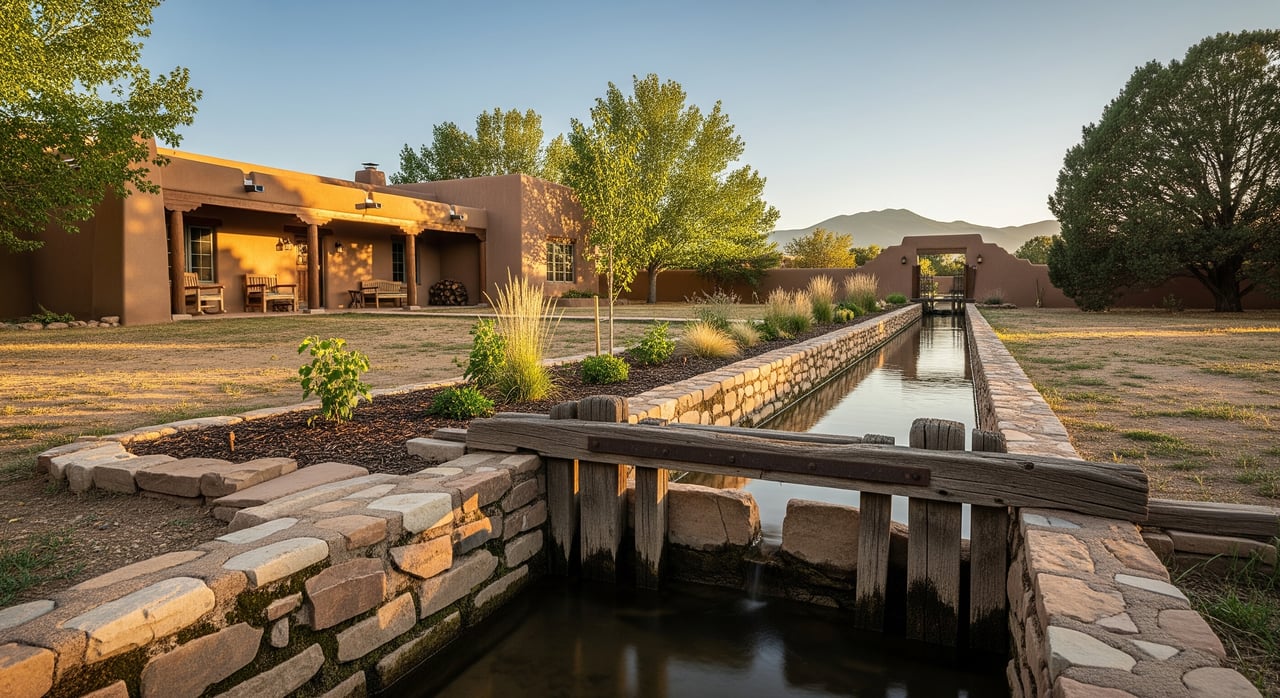
An acequia is a community-managed irrigation ditch and the local system that governs it. In Agua Fria and across northern New Mexico, acequias carry water for residential irrigation, small gardens and orchards, and livestock watering. They are not municipal drinking water systems.
An acequia includes the physical ditch, turnouts and headgates, and a local governance structure. You will often hear about a mayordomo, who manages day-to-day operations, and parciantes, who are members with rights and obligations. These systems are living community institutions with bylaws, seasonal workdays known as faenas, and local practices that shape how water is shared.
Acequia practices vary by ditch and by neighborhood. In Agua Fria, confirm which acequia serves your parcel because names can be similar. Local meetings, minutes, or notices can reveal recent repairs, capital projects, or special assessments that could affect costs for owners.
Before you finalize a purchase, ask for written confirmation about membership and assessments from the acequia’s mayordomo or board. Because local customs and bylaws differ, you want clear, current information tailored to the parcel you are buying.
In New Mexico, water rights are property-related and can be complex. Many acequia water rights are appurtenant to the land, which means they are tied to the parcel the ditch serves. Rights and deliveries are influenced by priority dates, acequia bylaws, and state law.
Do not assume water rights automatically transfer. Rights may be recorded with the Office of the State Engineer and in county records, or they may be addressed in adjudication documents or stipulated claims. Your goal is to confirm whether the parcel has acequia water rights, their priority date, and the historic diversion or amount.
Acequia membership, known as parciancia, typically includes both rights to receive water and obligations to the community. Obligations can include annual monetary assessments, participation in maintenance, and adherence to bylaws and schedules.
If you stop paying assessments or do not follow bylaws, the acequia can take enforcement steps that vary by ditch. In some cases, unpaid assessments can lead to collections or liens that affect the property. Before closing, verify the account is current and ask whether special assessments are planned.
Most acequias include recorded rights-of-way or maintenance easements. These easements can limit where you place buildings, walls, or landscaping. They also allow the acequia to access the ditch for upkeep.
Do not plan to build over, cover, or reroute a ditch without approvals. Changes like culverts, crossings, or flow alterations often require consent from the acequia and permits from Santa Fe County. Confirm the ditch location on a current survey and review recorded easements and any county approvals tied to the property.
Projects that affect an acequia, including driveway crossings or culverts, often require coordination with Santa Fe County departments and the acequia. In some cases, the Office of the State Engineer may also be involved. Keep in mind that approvals can take time, so build this into your planning if you intend to modify an existing crossing or add new infrastructure.
Acequia deliveries follow seasonal patterns and can be limited during drought. Many ditches use rotation schedules to share water. Your actual water availability for landscaping or small agriculture can vary by season and by priority date. Ask for the current rotation practices, typical start and end dates, and what happens in low-water years.
Use this checklist to confirm what you are buying and avoid surprises:
Most acequias collect regular assessments to pay for maintenance and repairs. Some also require community labor or charge for capital projects. Ask for recent assessment totals, how often they are billed, and any upcoming projects that could increase costs.
Get written confirmation that the account is current before you close. If collections or liens exist, address them through the title process so you do not inherit a surprise bill.
If you plan to add a wall, deck, bridge, or landscaping near the ditch, start with your survey and recorded easements. Identify no-build zones and confirm setback needs. If a crossing or culvert is part of your plan, communicate early with the acequia and Santa Fe County to understand permit requirements and timelines.
Acequia water is for irrigation and may not meet potable standards. If you intend to use a private well, note that well permitting is managed by the Office of the State Engineer. Using a well does not automatically remove acequia obligations, so verify your responsibilities in writing.
Title companies often flag recorded easements and liens that affect your use of the land. Lenders may require proof of water rights or access that supports your intended use. Start these conversations early so you can resolve issues within your contract timelines.
Buying in Agua Fria often means balancing heritage, landscape, and practical use. You deserve a team that understands both the cultural significance and the technical details. With deep local roots and hands-on design and build expertise, we help you read surveys, coordinate with title and county departments, and plan site improvements that respect easements and local bylaws. We focus on education and transparency so you feel confident from offer to closing.
Thinking about a property along an acequia in Agua Fria? Reach out to the Ralph Alan Real Estate Group for clear guidance, local context, and a smooth, well-orchestrated purchase.
Stay up to date on the latest real estate trends.
Article
Here's What It Actually Did
Get In Touch With Our Team To Learn More

Ralph Alan Real Estate Group
218 Camino La Tierra Suite B2 Santa Fe NM 87506 (505) 986-2000