Lot And Home Sizes In The Santa Fe Historic District
July 2, 2026
July 2, 2026
If you are picturing big front lawns and wide suburban setbacks, the Santa Fe Historic District will likely surprise you. In the Historic Eastside, homes often sit close to the street, outdoor space is shaped into courtyards and portals, and lot size alone rarely tells the whole story. If you are buying, selling, or simply trying to understand this part of Santa Fe, this guide will help you set realistic expectations for lot sizes, home sizes, and what those dimensions mean in practice. Let’s dive in.
The Historic Eastside sits within the City of Santa Fe’s Downtown and Eastside Historic District. This district includes well-known corridors such as Canyon Road, Camino del Monte Sol, Garcia Street, and Old Santa Fe Trail, and property changes here typically go through Historic Preservation Division staff review or the Historic Districts Review Board, depending on the scope of work.
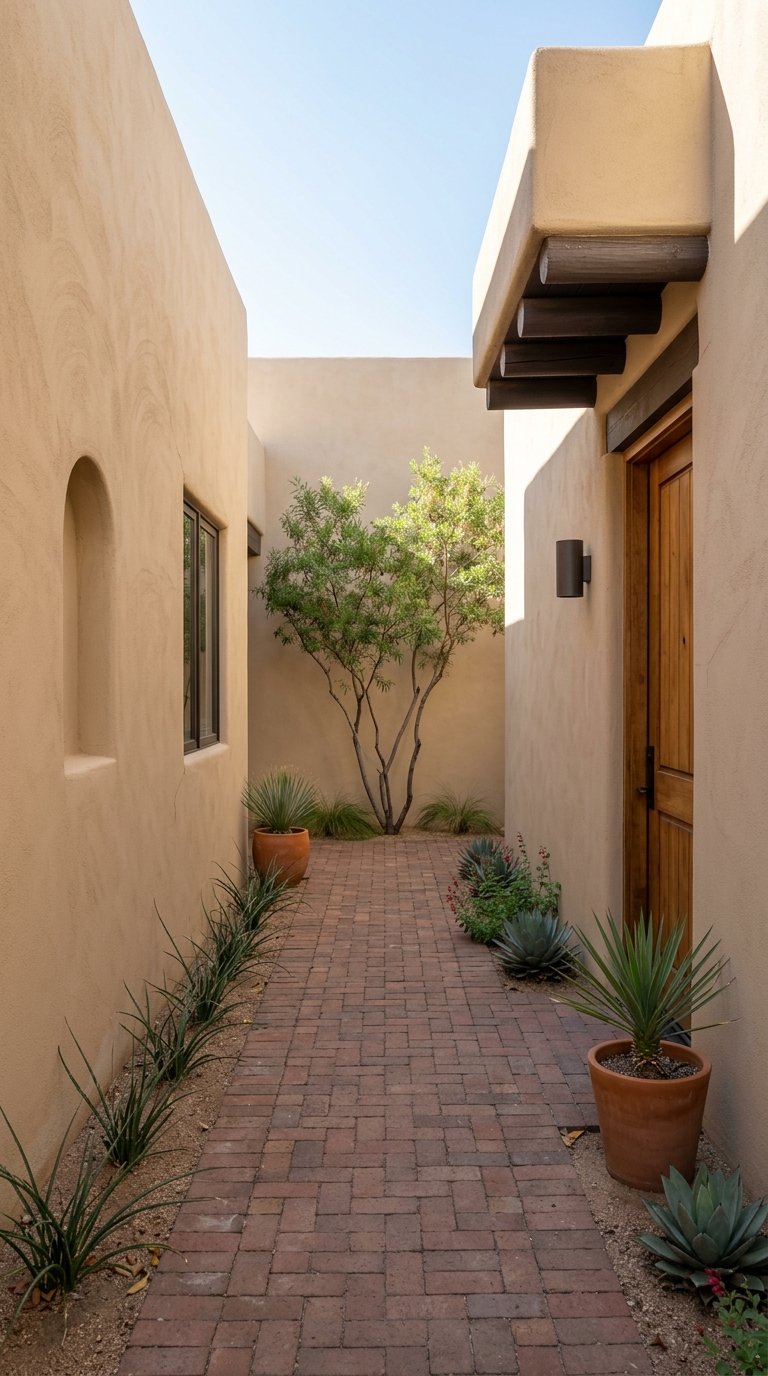
What many buyers notice first is the scale. The district standards are designed to preserve residential character, continuity along the street, yards, street trees, low walls, and a sense of openness. That means the neighborhood was never meant to feel like a spread-out subdivision.
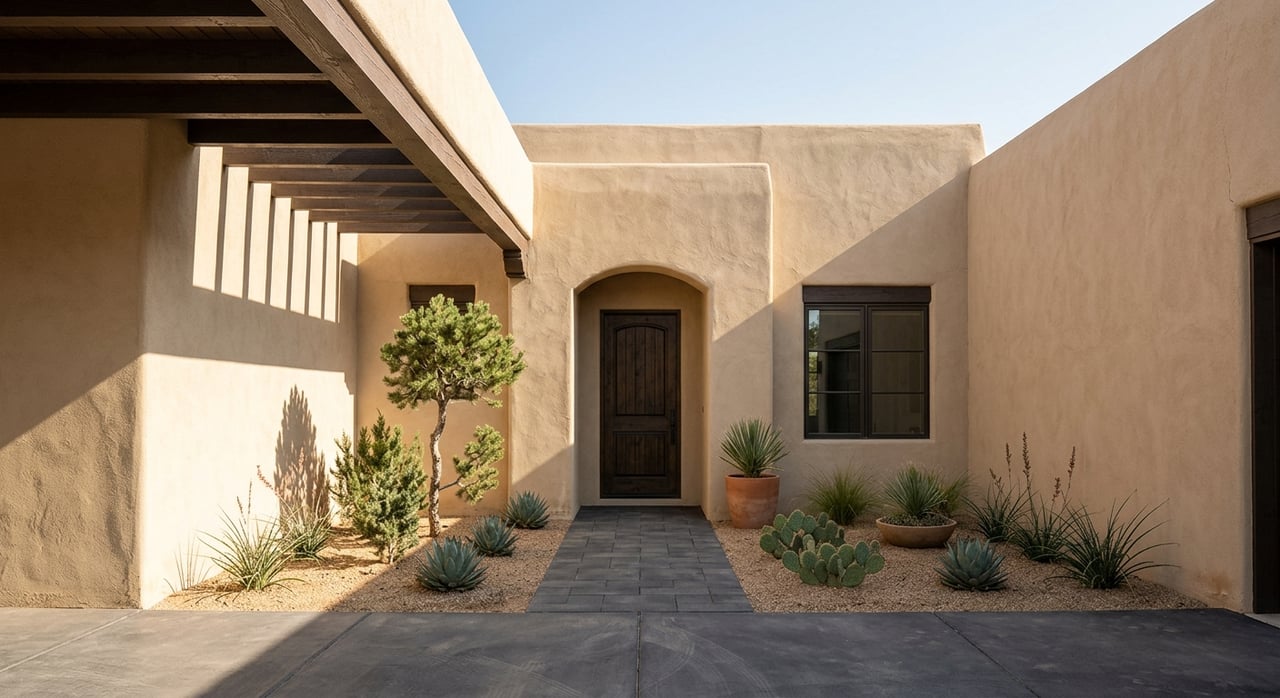
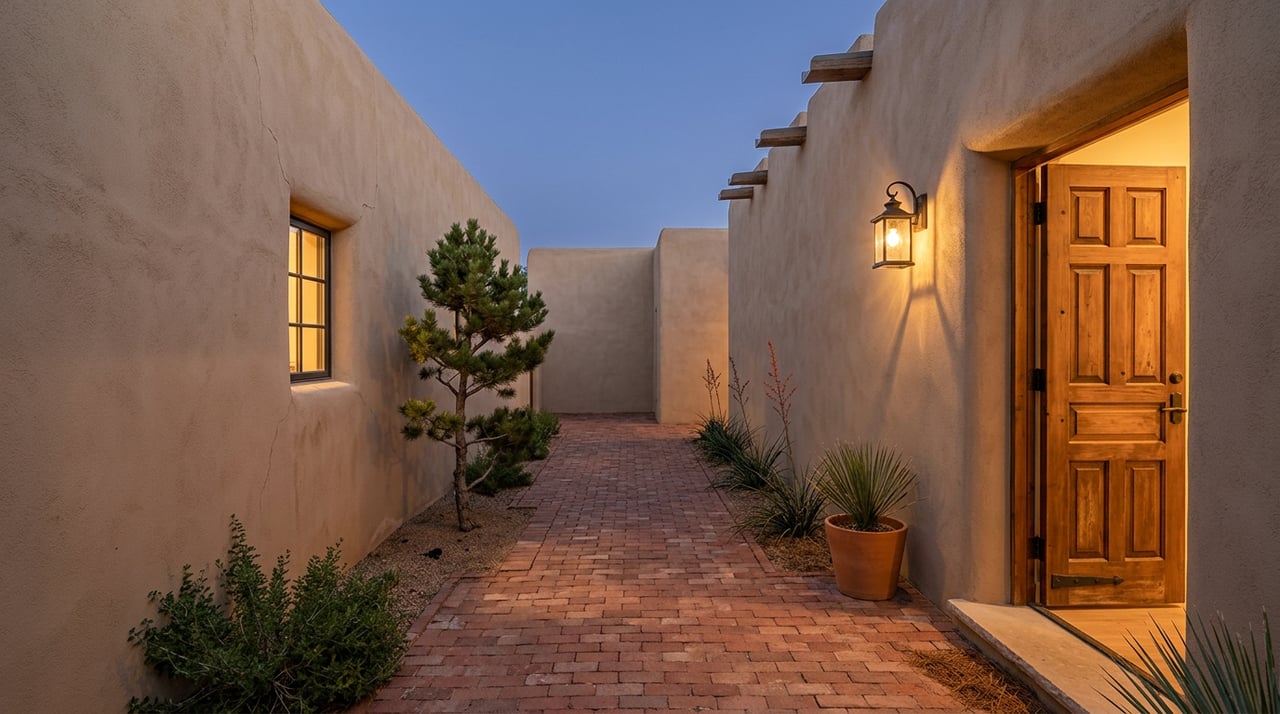
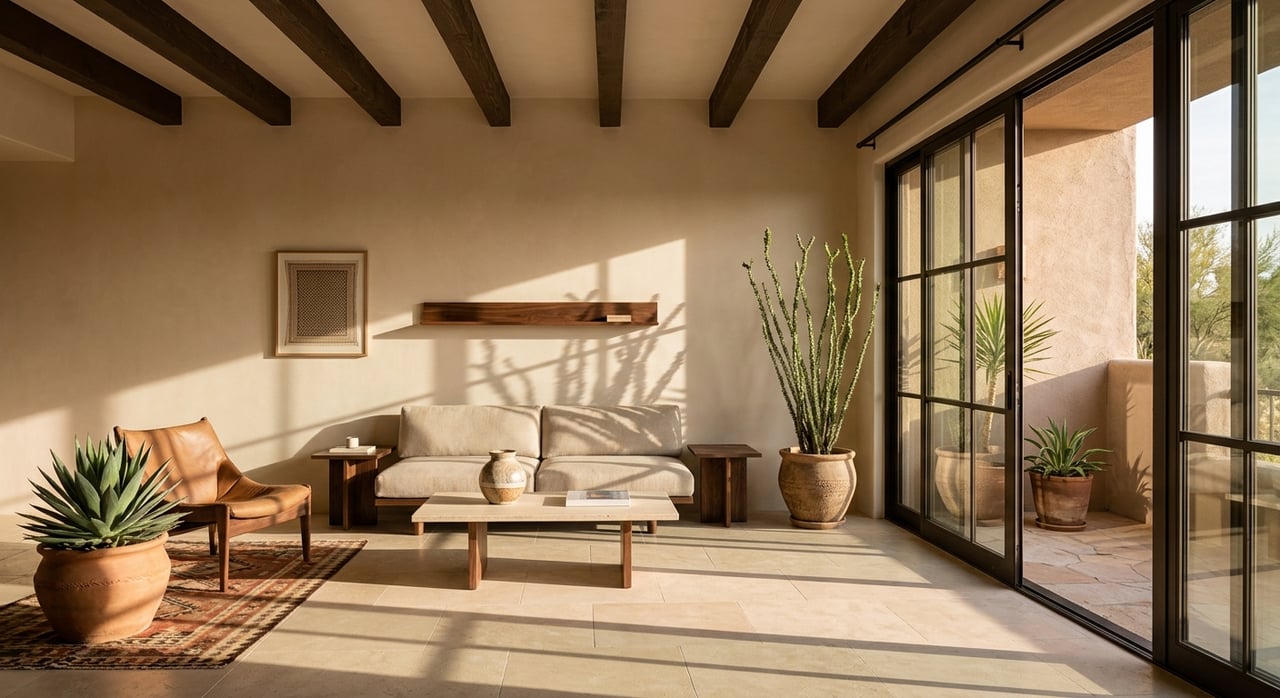
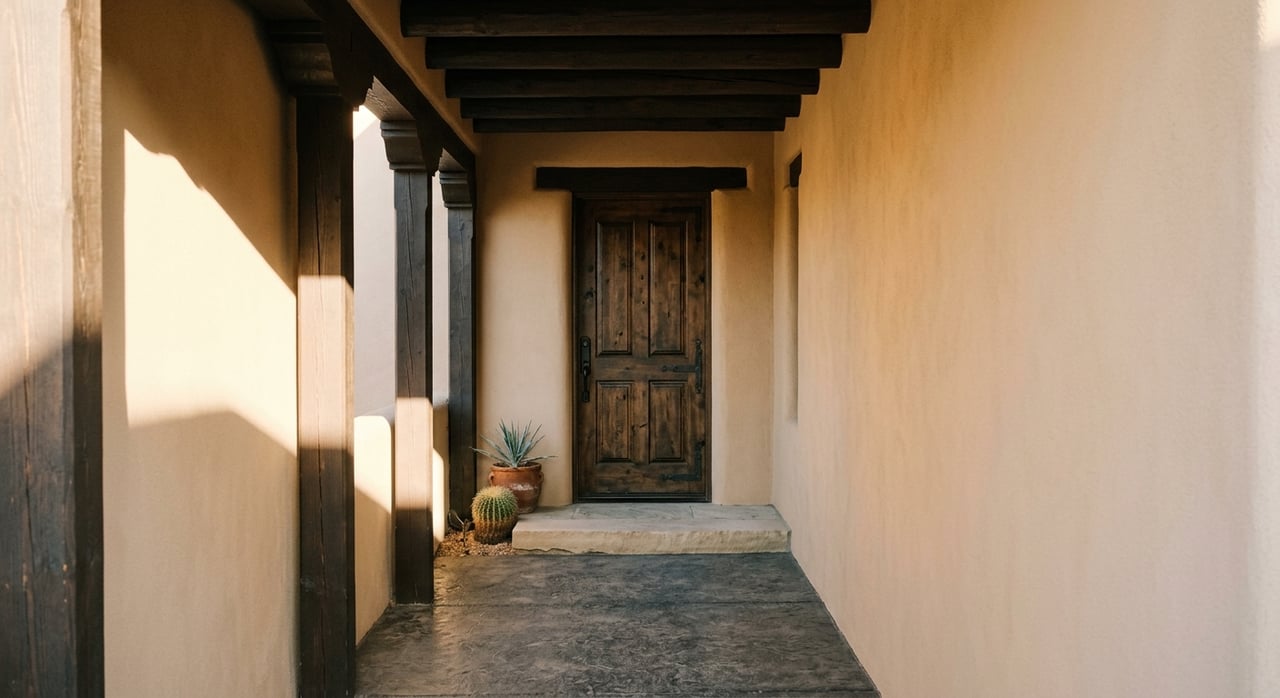
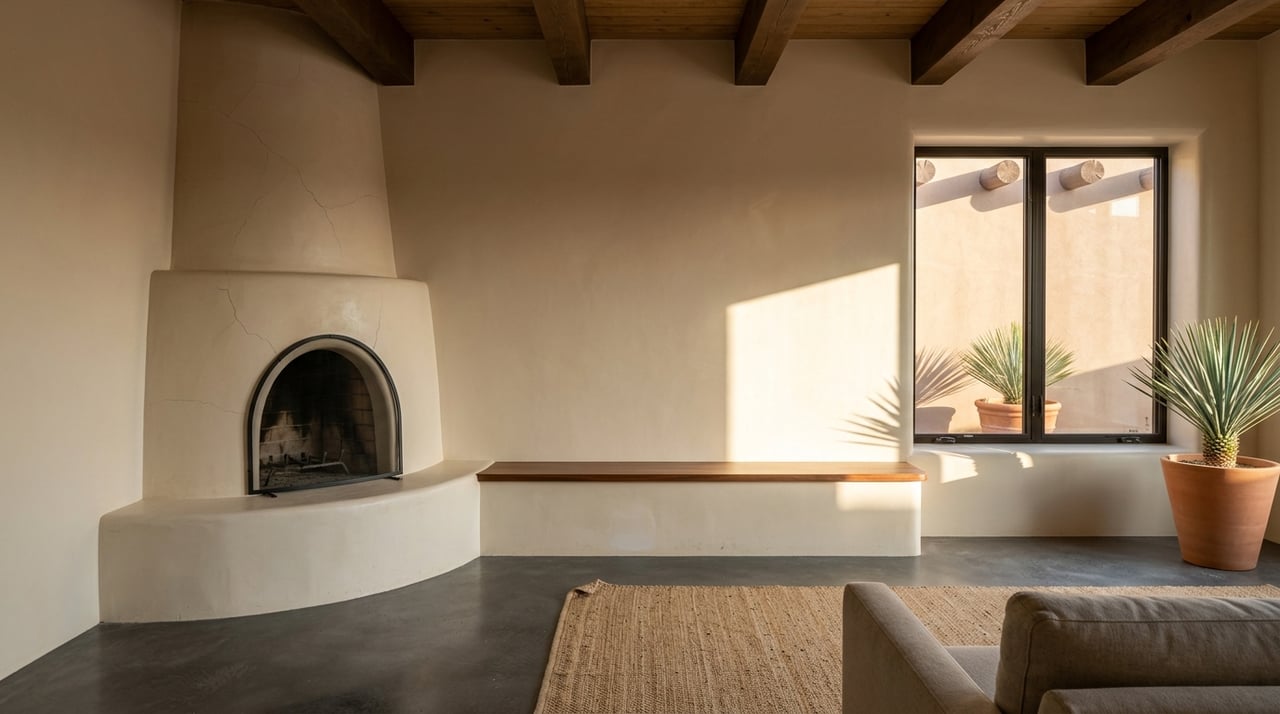
The architecture also shapes that experience. Traditional Santa Fe forms such as adobe massing, deep window recesses, and portals create a closer, more sheltered rhythm along the street. In some settings, a portal may even extend over the full sidewalk with columns at the curb line, which adds to the intimate streetscape.
A city staff report for Canyon Road described Eastside lots as varied in size, with buildings often set back only three to ten feet from the street, and most within five feet. That helps explain why the area feels compact, layered, and walkable rather than open and suburban.
There is no official district-wide average in the research provided, but current public examples give a useful snapshot. Many core Eastside parcels appear to be well under a quarter acre, with occasional larger lots and compounds appearing deeper into the Eastside and toward Upper Canyon.
Here are a few representative examples from public listings:
Taken together, these examples suggest that smaller, more compact parcels are common in the core historic blocks. Larger parcels do exist, especially in the broader Eastside and Upper Canyon area, but they are the exception rather than the norm.
Home size in the Historic Eastside often lands in a range that feels substantial indoors while still fitting the district’s compact lot pattern. Based on the examples in the research, homes commonly fall in the roughly 2,000 to 3,500 square foot range.
Representative examples include:
That range matters because it shows how Eastside homes often prioritize usable interior space, privacy, and outdoor rooms over large lawns. You may also see layouts expanded with a casita, guest house, or second building rather than one oversized main structure.
One reason lot and home size can be misleading in this district is the role of compound-style properties. The city code recognizes historic compounds as groups of at least three related buildings, and Santa Fe includes family, rental, placita, and commercial compound types.
For buyers, that means a property’s function may extend beyond the square footage listed for a main house. A lot that looks modest on paper may include a guest house, detached casita, studio space, or separate building arranged around a courtyard. In the Eastside, that pattern is part of the neighborhood’s historic fabric.
This is also why two homes with similar lot sizes can live very differently. One may feel highly private and layered, while another may feel more open, depending on walls, portals, building placement, and the presence of secondary structures.
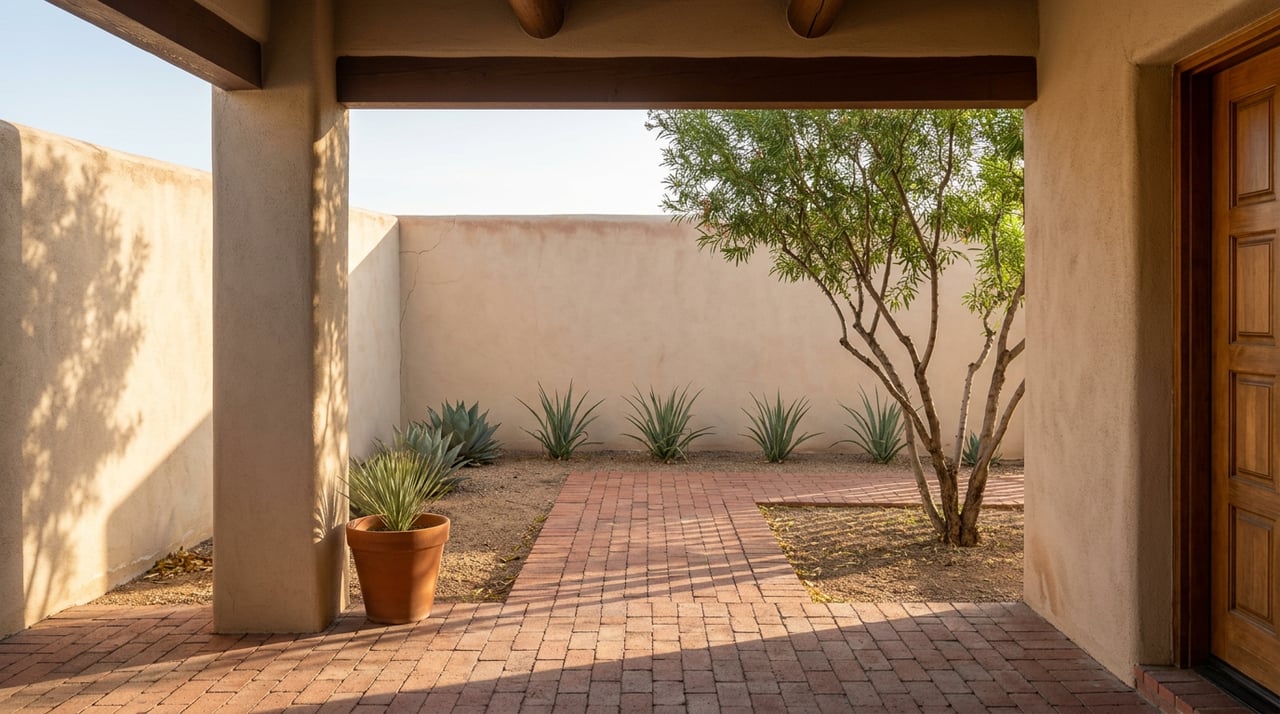
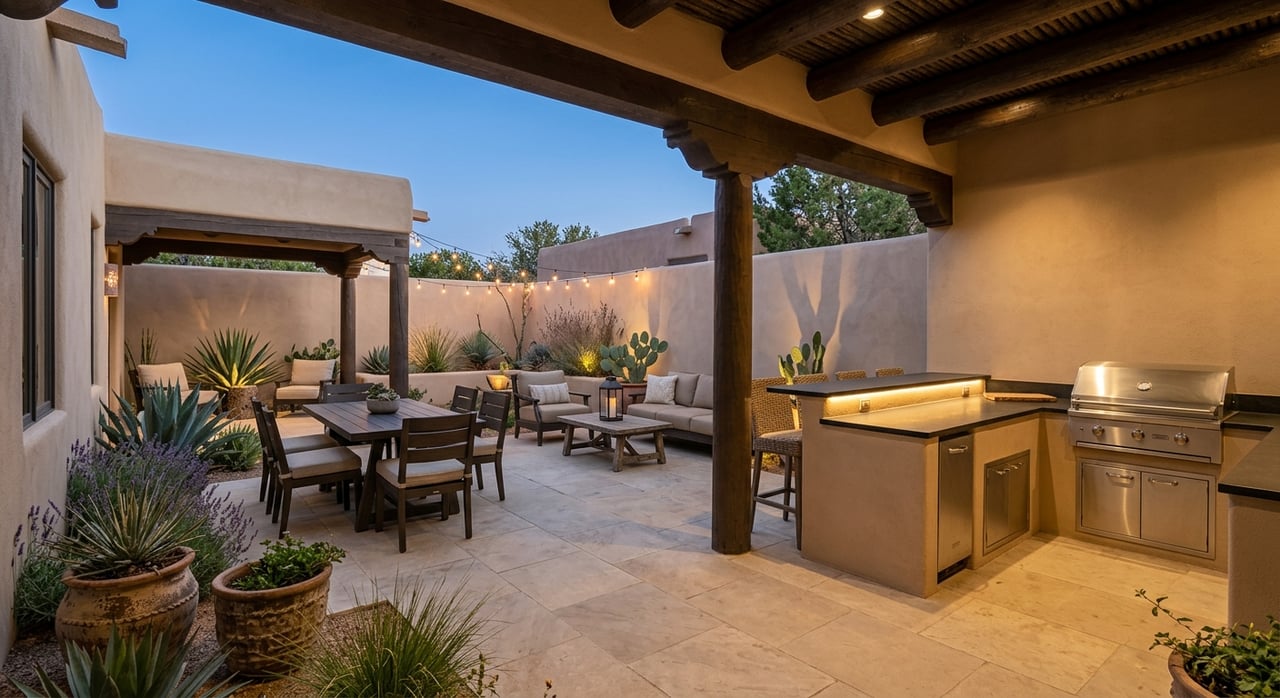
In the Historic Eastside, outdoor living is often designed as courtyard space rather than yard space. Instead of a broad front lawn, you are more likely to find enclosed patios, portals, garden pockets, and shaded outdoor rooms.
In the East Marcy and East Palace subdistrict, the code requires open space equal to at least 10 percent of the lot area next to the front property line to serve as a yard or courtyard. The same standards limit walls, fences, and hedges to four feet and prohibit parking in the required front yard and within the right-of-way.
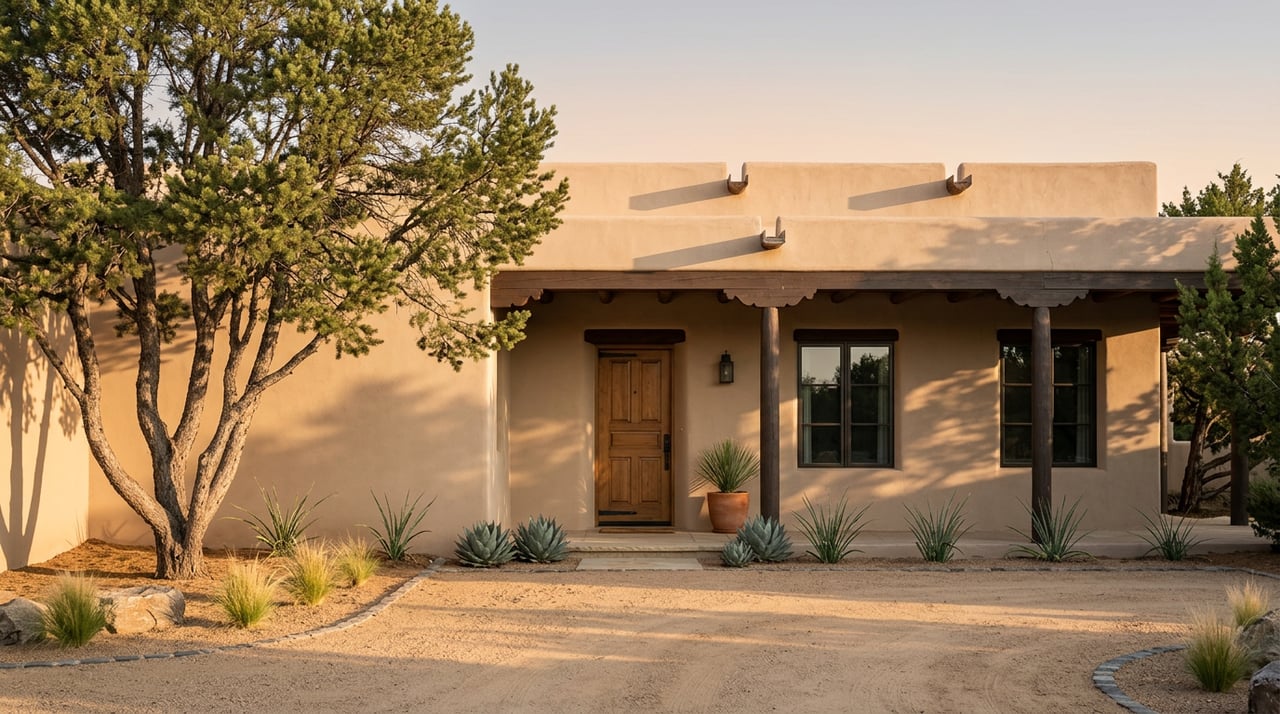
City standards also allow porches and portals to count toward required private open space. That matters in Santa Fe, where a portal can be just as important to daily living as a traditional backyard. In practice, the outdoor experience is often more architectural than expansive.
Parking is another place where size expectations need to shift. In the Historic Eastside, parking is often tucked away, screened, or integrated carefully into the site rather than spread across a visible driveway and garage front.
City parking standards emphasize screening from streets and adjacent properties using walls, berms, or hedges. A street-facing garage or carport generally must be set back 20 feet from the street property line, and parking is not allowed in required front-yard areas in the applicable subdistrict standards.
That means a smaller lot can still function well, but usually through thoughtful design. A gated drive, side access, courtyard entry, or detached parking arrangement may matter more than raw frontage.
If you are evaluating a property here, lot size is only the starting point. In the Historic Eastside, what really matters is how the site, buildings, open space, and approvals work together.
A 6,000 square foot lot in this district does not behave the same way as a 6,000 square foot lot in a newer neighborhood. Setbacks may be much tighter, outdoor space may be organized around walls and portals, and the existing building footprint may limit what comes next.
For that reason, buyers should look beyond the headline numbers and ask better questions about the property’s legal status, historic context, and improvement potential.
If you are hoping to expand, rework, or add to a Historic Eastside property, verify the basics early. Historic-district projects require a City Historic Preservation Division application, and projects that cannot be approved administratively go before the Historic Districts Review Board.
The city also requires proof of a legal lot of record before it will process building permits or development review. For pre-code lots, legal nonconforming status can affect what can be done because of lot configuration, size, shape, topography, or existing conditions, and new development cannot increase existing nonconformities.
For historic compounds, the code adds another layer. Additions and new construction should be designed so that future removal would not impair the compound’s historic form and integrity.
Before you make assumptions about adding square footage, it is smart to verify:
For buyers, the key takeaway is simple: the Historic Eastside is best understood as a courtyard neighborhood. Its appeal often comes from closeness to the street, strong architectural character, layered privacy, and thoughtful outdoor living rather than oversized lots.
For sellers, context matters when presenting a property. A home with a smaller lot may still offer exceptional livability if it has well-designed portals, courtyards, guest space, or a compound layout. The right marketing should help buyers understand how square footage and site design work together.
This is where local guidance becomes especially valuable. In a neighborhood where the rules, form, and feel are so specific, understanding dimensions is not just about measuring land. It is about knowing how Santa Fe’s historic fabric shapes daily life and future possibilities.
If you are considering a purchase or preparing to sell in Santa Fe’s historic neighborhoods, Ralph Alan Real Estate Group can help you evaluate the details that matter, from site layout and market positioning to renovation potential and presentation.
Stay up to date on the latest real estate trends.
Get In Touch With Our Team To Learn More
Ralph Alan Real Estate Group
218 Camino La Tierra Suite B2 Santa Fe NM 87506 (505) 986-2000