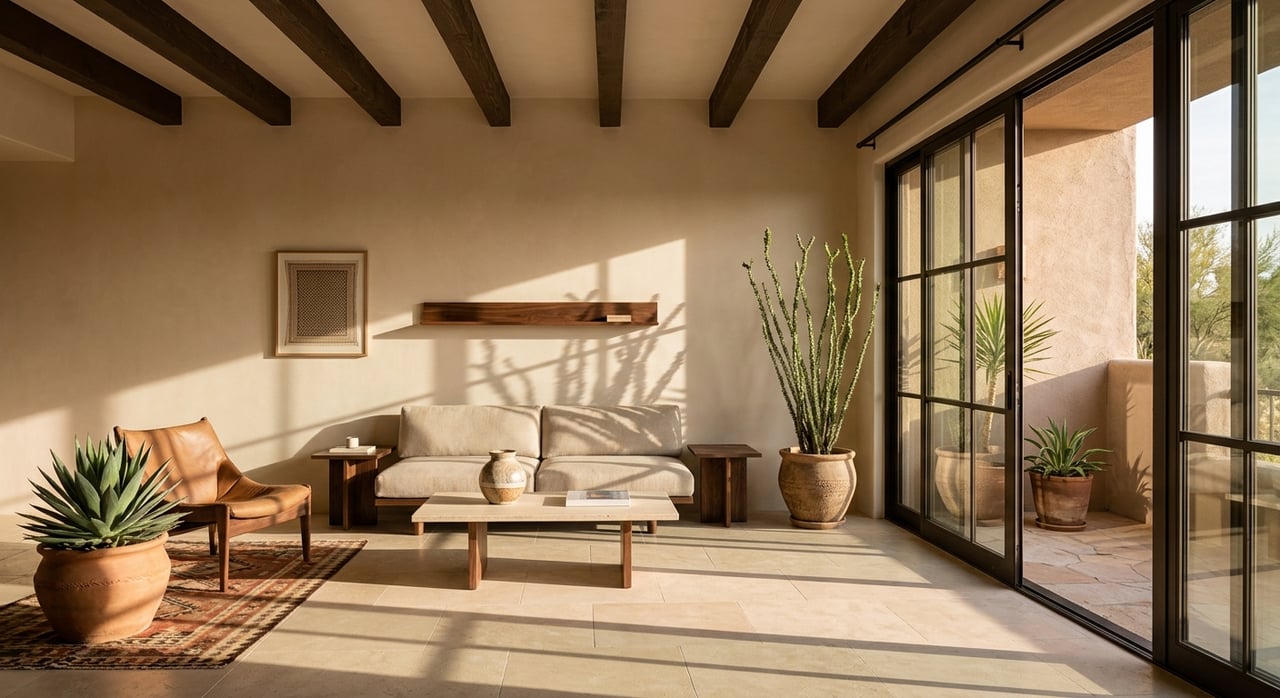
Historic Eastside vs Downtown Condo in Santa Fe
July 23, 2026
July 23, 2026
If you picture yourself walking to coffee, galleries, dinner, or the Plaza, Santa Fe gives you two very different ways to do it. You may be deciding between the privacy and architectural character of Historic Eastside and the easy, close-in convenience of a downtown condo. Both can support a walkable lifestyle, but they ask different things from your budget, your time, and your day-to-day routine. Let’s dive in.
In Santa Fe, this comparison is not just about distance on a map. It is also about how you want to live inside one of the city’s oldest and most layered areas.
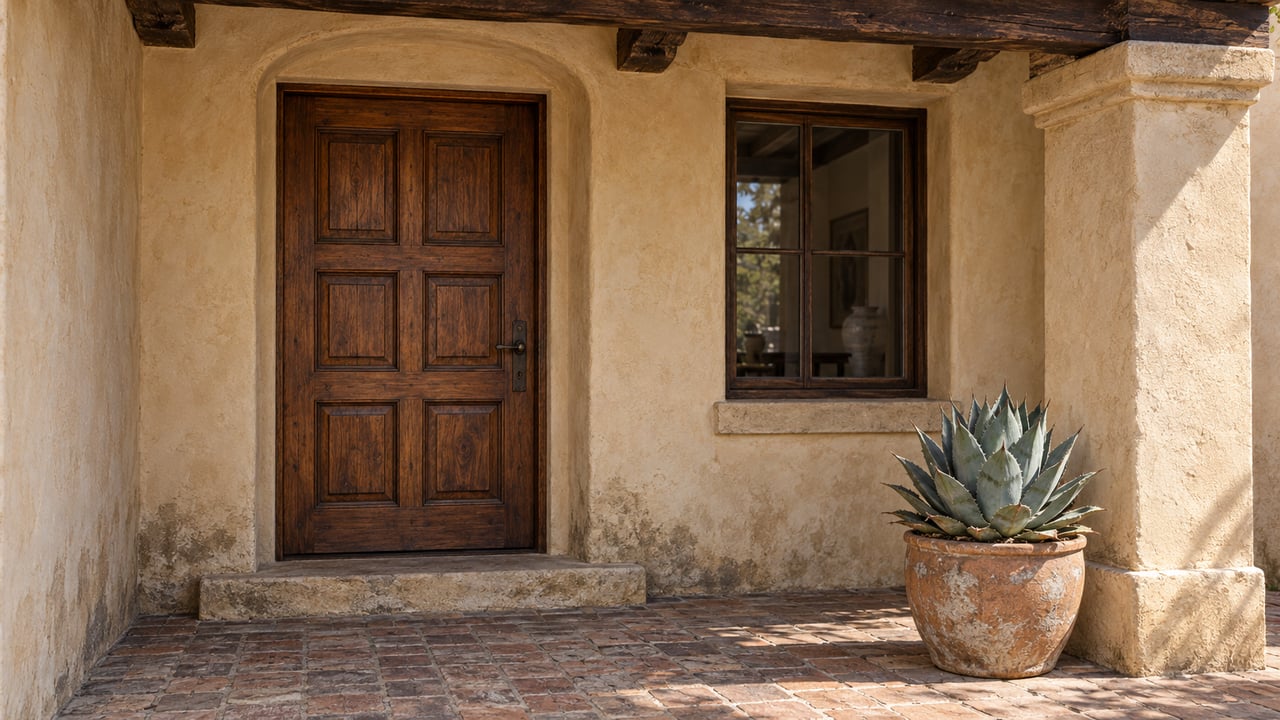
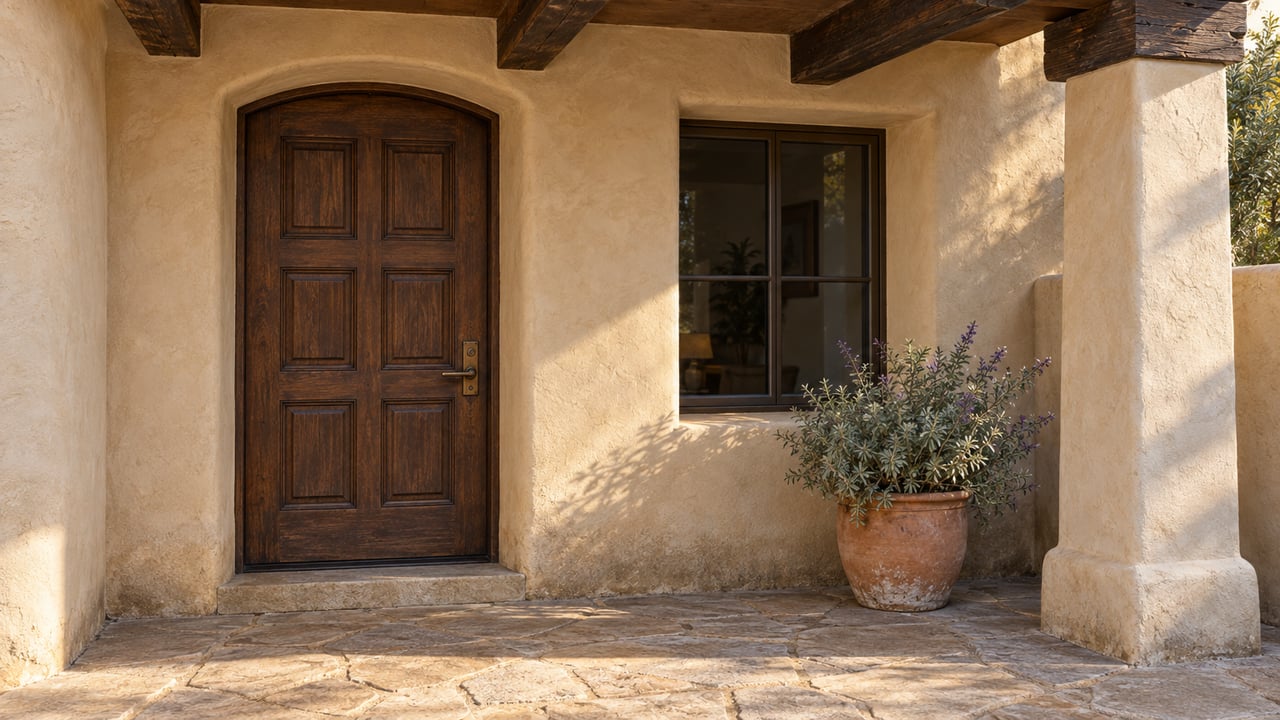
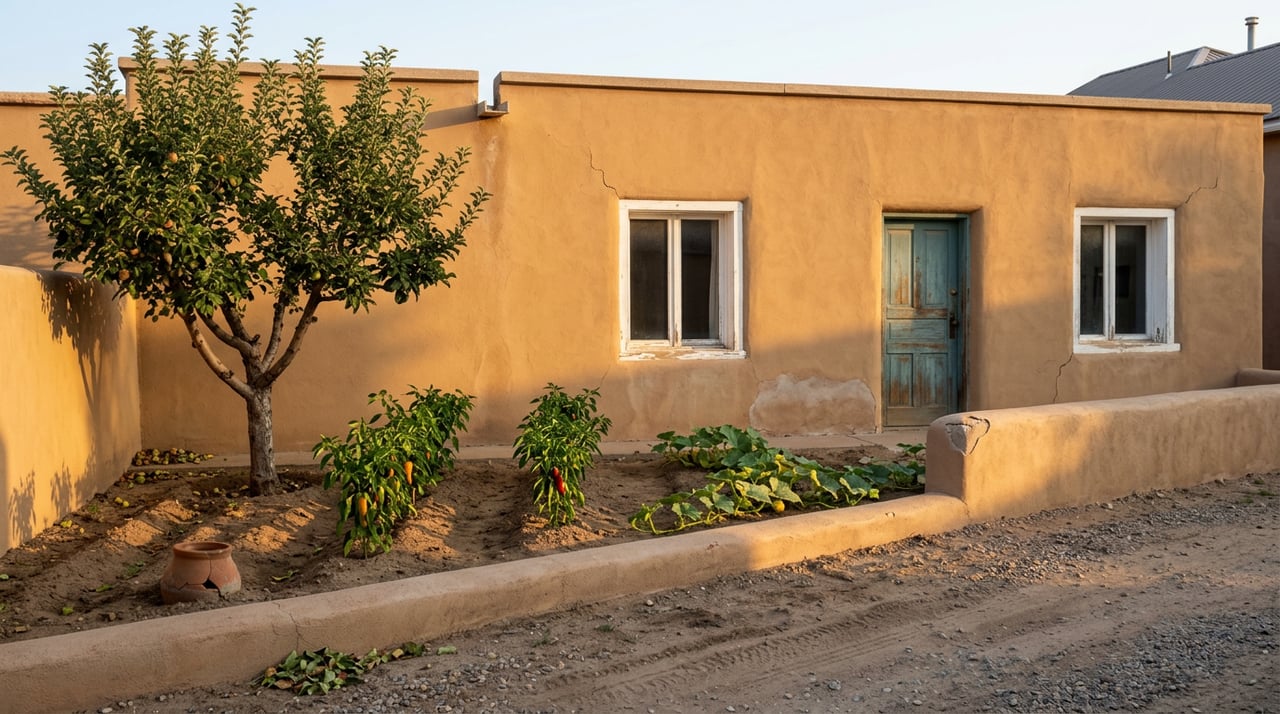
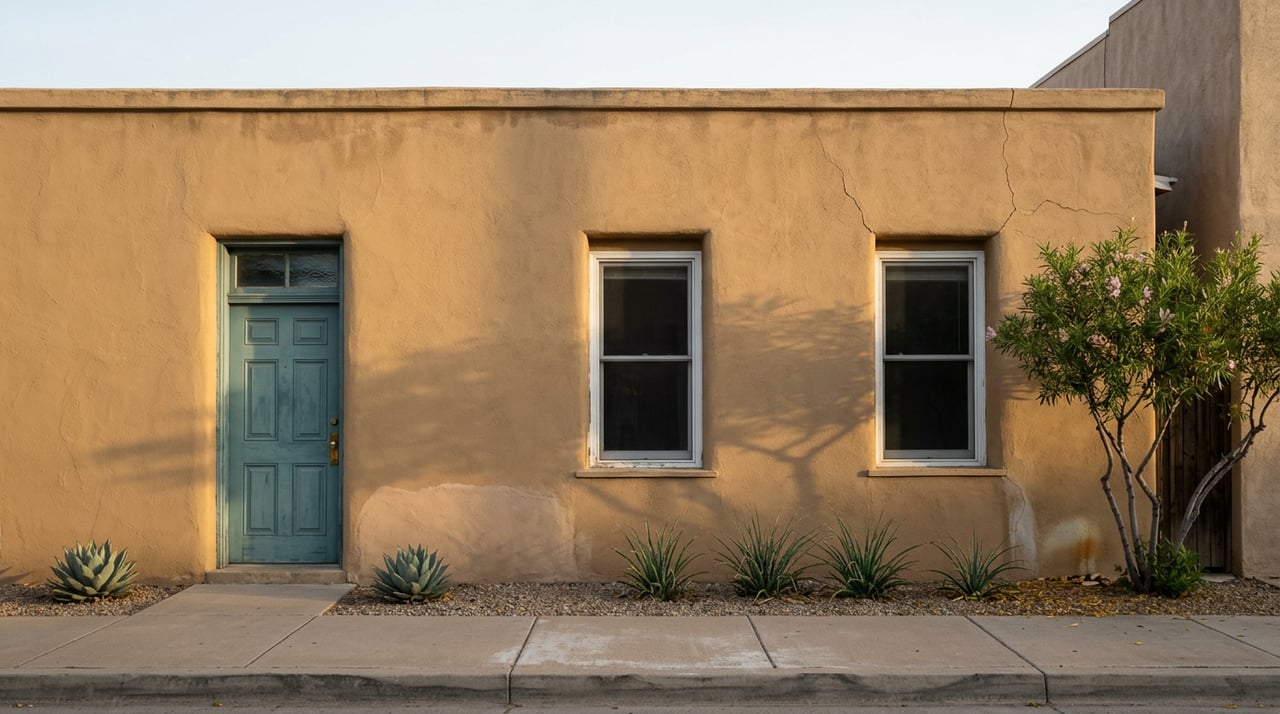
The Historic Eastside sits within Santa Fe’s Downtown and Eastside Historic District, an area city materials describe as the first part of Santa Fe to be settled. It includes some of the city’s oldest examples of Spanish Pueblo and Territorial architecture, along with revival styles. The district’s narrow streets, buildings close to property lines, and acequia network still reflect older Spanish colonial planning.
Downtown, by contrast, is the city’s urban core around the Plaza. City planning materials describe the Plaza as the heart and soul of Santa Fe, with downtown and the Guadalupe District serving as the cultural and commercial heart of the city. If your version of walkability means stepping outside and being surrounded by restaurants, shops, galleries, and civic landmarks, downtown usually delivers that more directly.
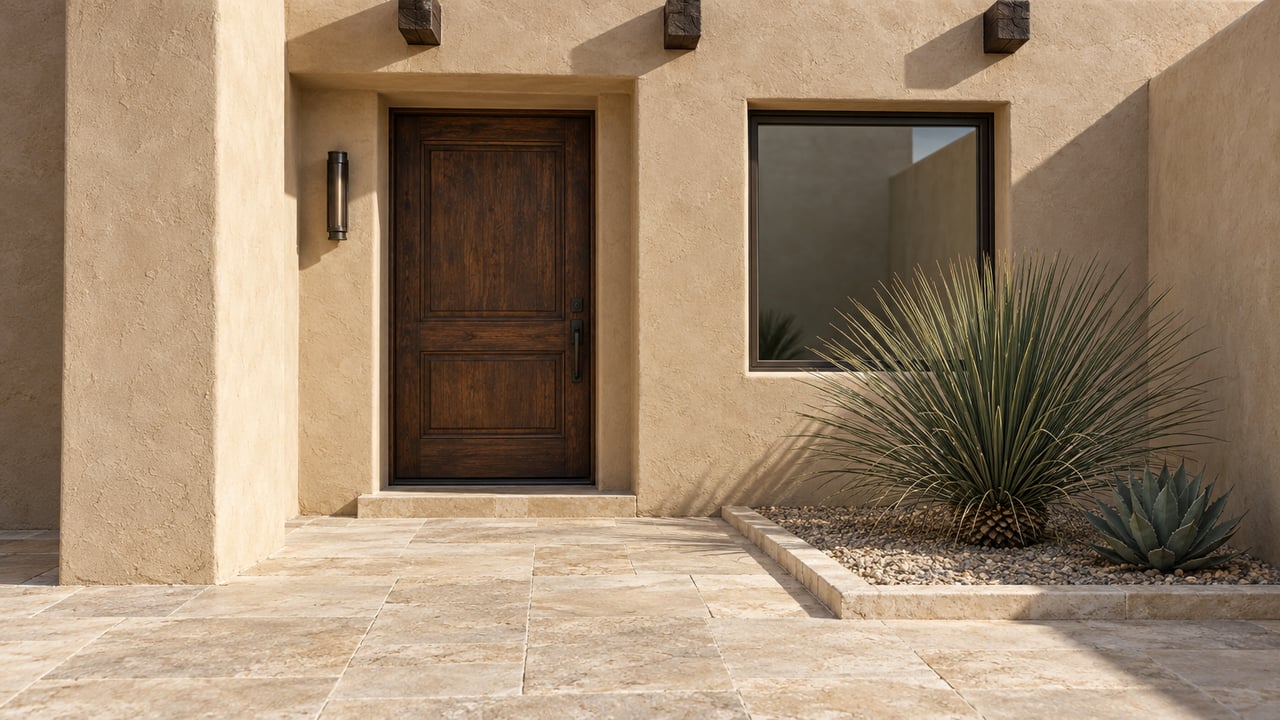
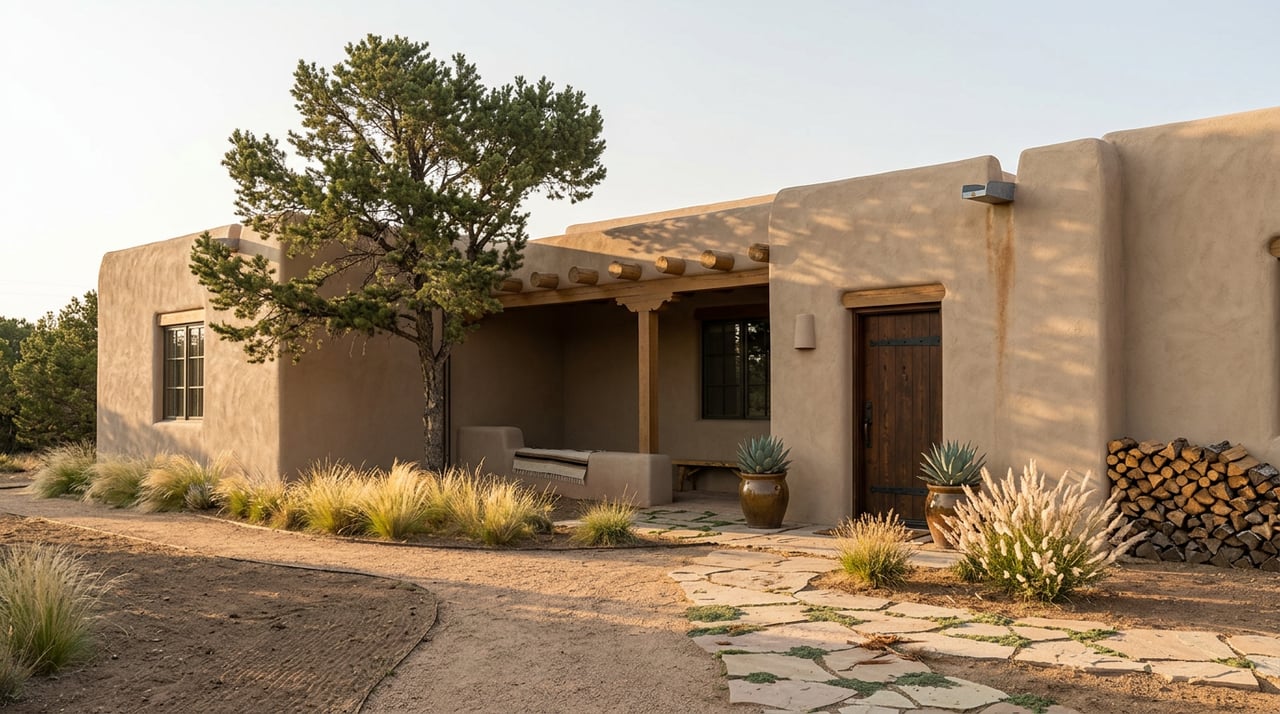
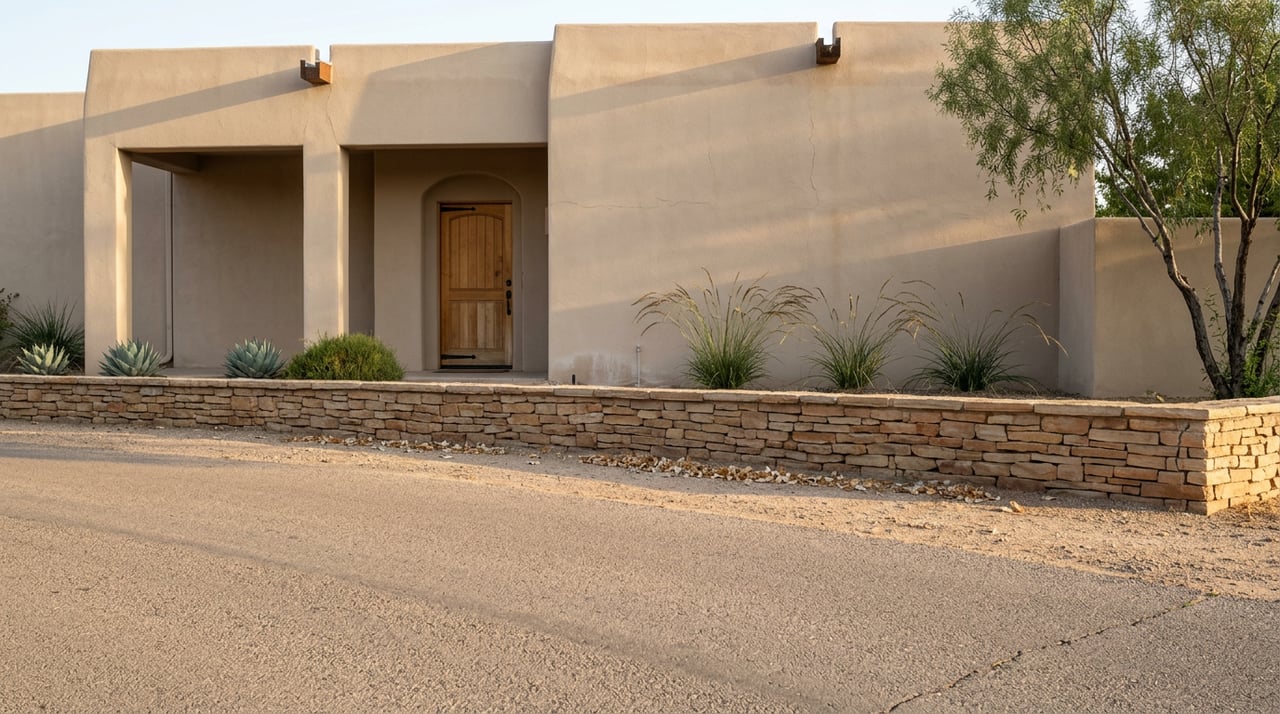
If you are drawn to detached homes with a strong sense of place, Historic Eastside often feels deeply personal. Homes here commonly reflect adobe, Pueblo Revival, Territorial, and related Santa Fe styles, which gives the area a visual consistency that many buyers find hard to duplicate elsewhere.
City planning also notes that traditional residential design near Canyon Road and the Plaza often used central patios or placitas. Those features were practical, offering privacy and refuge from street noise and dust. Today, that often translates into a quieter, more tucked-away feel, even when you are still close to Santa Fe’s core destinations.
For many buyers, that is the appeal. You can enjoy walkable access to parts of the city while still having more separation from shared walls and common spaces than you would in a condo building.
Owning in Historic Eastside often means more direct control over your home, but it also means more direct responsibility. As a homeowner, you are typically responsible for maintenance and repairs, from smaller fixes to major systems like the roof.
In Santa Fe’s historic districts, exterior work also comes with a local review process. The city requires pre-approval for exterior work in historic districts, although simple maintenance and repair often does not require a construction permit. Larger exterior changes may go before the Historic Districts Review Board if they cannot be approved administratively.
That matters if you are thinking about changes to windows, roofs, portals, or other visible features. Santa Fe’s historic standards emphasize preserving character-defining elements such as low rooflines, parapets, portals, and historic windows where possible.
If your top priority is ease, a downtown condo may be the better fit. Condo ownership works differently from owning a detached home, and that difference can be appealing if you want a more lock-and-leave setup.
In a condo, the homeowners association usually manages shared expenses such as landscaping and maintenance. In many condo settings, that can also include shared structures, driveways, and roofs. That can reduce the amount of exterior upkeep you handle on your own.
For second-home buyers and relocators, this can be a major advantage. If you plan to spend part of the year in Santa Fe, or simply want less hands-on maintenance, the condo model can create a more predictable ownership routine.
Convenience still has a cost structure, and it is important to understand it early. Condo owners usually pay HOA dues directly, and those fees are generally not included in the mortgage payment.
According to the research provided, HOA fees can range from a few hundred dollars per month to more than $1,000. Under New Mexico’s HOA resale-disclosure framework, buyers should receive key governing documents and disclosures, including the monthly common expense assessment, unpaid special or common assessments, other fees, and anticipated capital expenditures.
That document review is not just paperwork. It helps you understand the real monthly cost of ownership, the financial condition of the association, and whether there are upcoming expenses that could affect your budget.
If pure convenience is your goal, downtown usually has the edge. City planning and business-corridor materials identify downtown as a center for arts and culture, retail, food and beverage, and locally owned small businesses, with walkability as a central priority.
The Plaza and surrounding downtown area include a dense mix of restaurants, galleries, boutiques, bookstores, museums, and hotels. That kind of concentration can make daily life feel spontaneous and connected. You may find that many errands or outings start on foot.
Historic Eastside still offers strong access to this same core, just with a different rhythm. You are often trading a little immediacy for more residential character and privacy.
Historic Eastside buyers also benefit from proximity to Canyon Road. Tourism Santa Fe describes Canyon Road as a tree-lined, pedestrian-friendly stretch with more than 100 galleries, along with small eateries, cafes, and fine-dining restaurants.
That gives Historic Eastside a lifestyle advantage of its own. Your walks may feel less like stepping into the center of downtown activity and more like moving through a historic residential setting with cultural destinations woven into it.
For some buyers, that distinction matters. They want access to Santa Fe’s energy, but not necessarily the most active front-row position to it.
One of the clearest differences between these two options is how much privacy and control you want. Historic Eastside homes often offer more separation, private outdoor space, and a stronger sense of retreat.
Downtown condos usually involve shared structures and common areas. That can make maintenance easier, but it also means giving up some privacy and some control over exterior changes.
Neither model is better across the board. The right fit depends on whether you value independence and historic stewardship more, or simplicity and shared management more.
When buyers compare these two lifestyles, purchase price is only one part of the decision. The more useful question is how ownership costs will work over time.
With a Historic Eastside home, you should expect direct responsibility for maintenance and repairs. You should also understand that exterior projects may involve city review, which can affect timing and planning.
With a downtown condo, monthly HOA dues, insurance needs for your unit, and the association’s financial disclosures deserve close attention. While the association commonly carries master insurance for common areas, owners still typically need a policy for the unit itself.
For many relocators and second-home buyers, this choice comes down to lifestyle priorities. If you want detached-home character, stronger privacy, and a historic setting that rewards stewardship, Historic Eastside may feel like the better long-term match.
If you want lower exterior upkeep, shared maintenance, and immediate access to dining, arts, and services, a downtown condo may fit better. Both options can support walkable living, but they do so in very different ways.
The smart move is to compare historic-review considerations and HOA costs early in your search. Those details can shape affordability, timing, and your comfort level with ownership more than buyers sometimes expect.
If you are weighing Historic Eastside against a downtown condo, the best next step is a neighborhood-specific conversation grounded in how you actually plan to live. The team at Ralph Alan Real Estate Group can help you compare property types, ownership tradeoffs, and walkable lifestyle options across Santa Fe with practical local insight.
Stay up to date on the latest real estate trends.
Article
Here's What It Actually Did
Get In Touch With Our Team To Learn More
Ralph Alan Real Estate Group
218 Camino La Tierra Suite B2 Santa Fe NM 87506 (505) 986-2000