Exploring Santa Fe Historic District Lifestyle in the Eastside
June 25, 2026
June 25, 2026
Looking for the part of Santa Fe that feels most like a walk through history? In the official Downtown and Eastside Historic District, often called the Historic Eastside, the experience is less about one single landmark and more about how everything fits together. You notice the quiet courtyards, narrow lanes, shaded portals, and long-standing public places that shape the rhythm of daily life. If you want to understand what makes this area so distinctive, this guide will help you see the district with a sharper eye. Let’s dive in.
Santa Fe’s historic core is a layered landscape. Pueblo peoples occupied the downtown and Plaza areas as early as 1050, and Santa Fe was formally founded in 1610. That long timeline helps explain why the district feels textured and lived-in rather than planned around a single era.
The city recognizes the Downtown and Eastside Historic District as one of Santa Fe’s five historic districts. City descriptions place it across downtown and eastside areas such as Canyon Road, Acequia Madre, Camino del Monte Sol, and East Palace Avenue. Some city heritage materials also include Cerro Gordo Road in the Eastside description, which shows how closely connected these streets are in the local story.
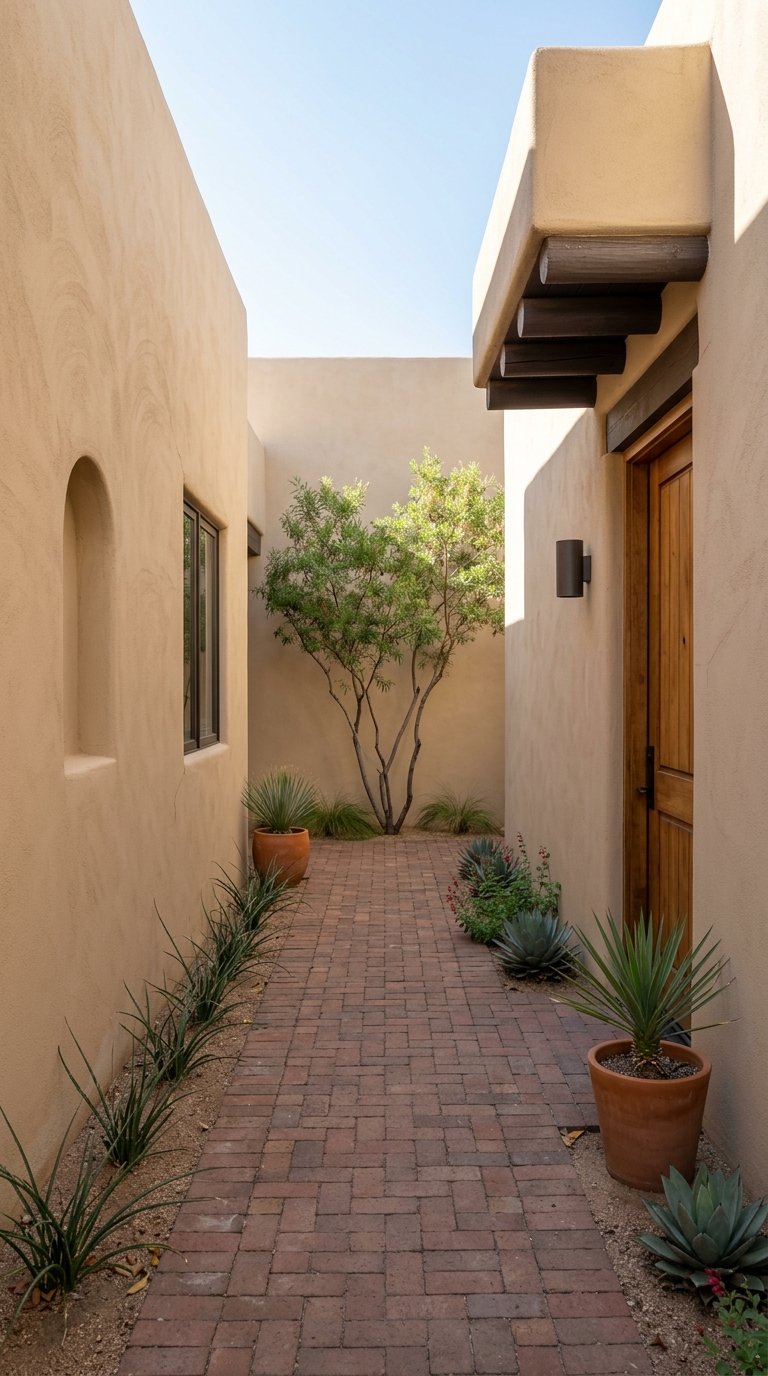
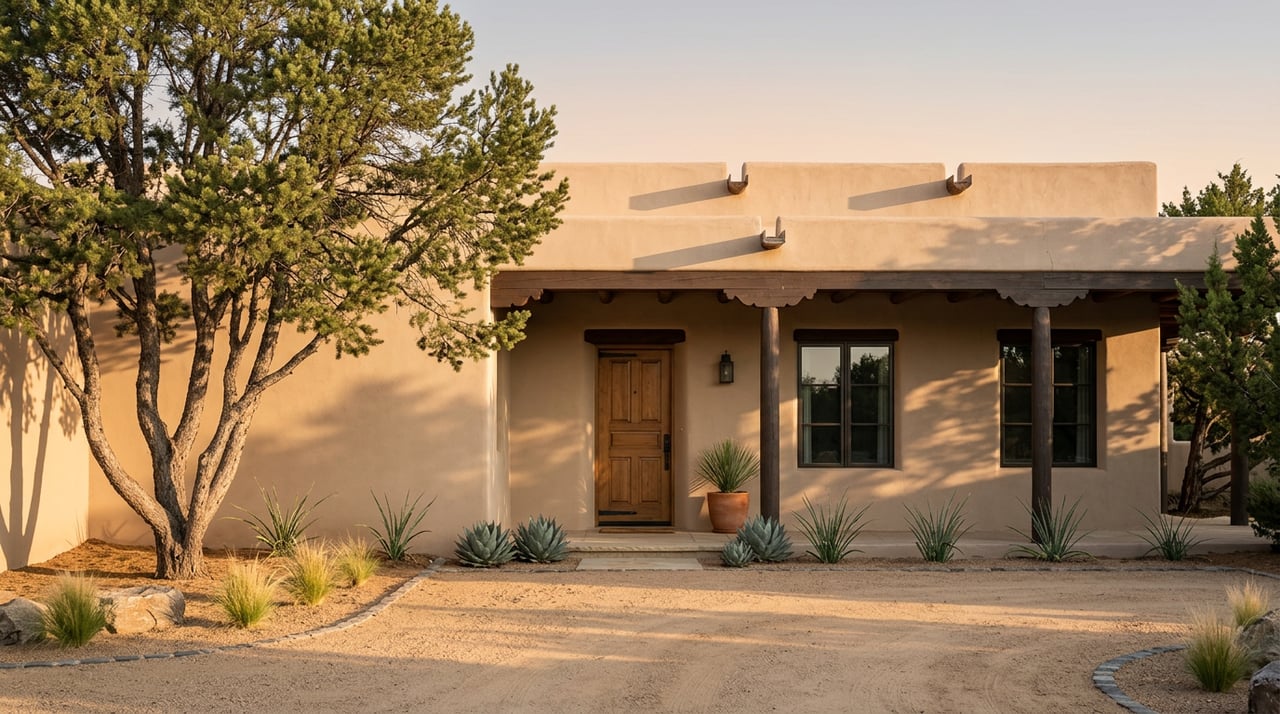
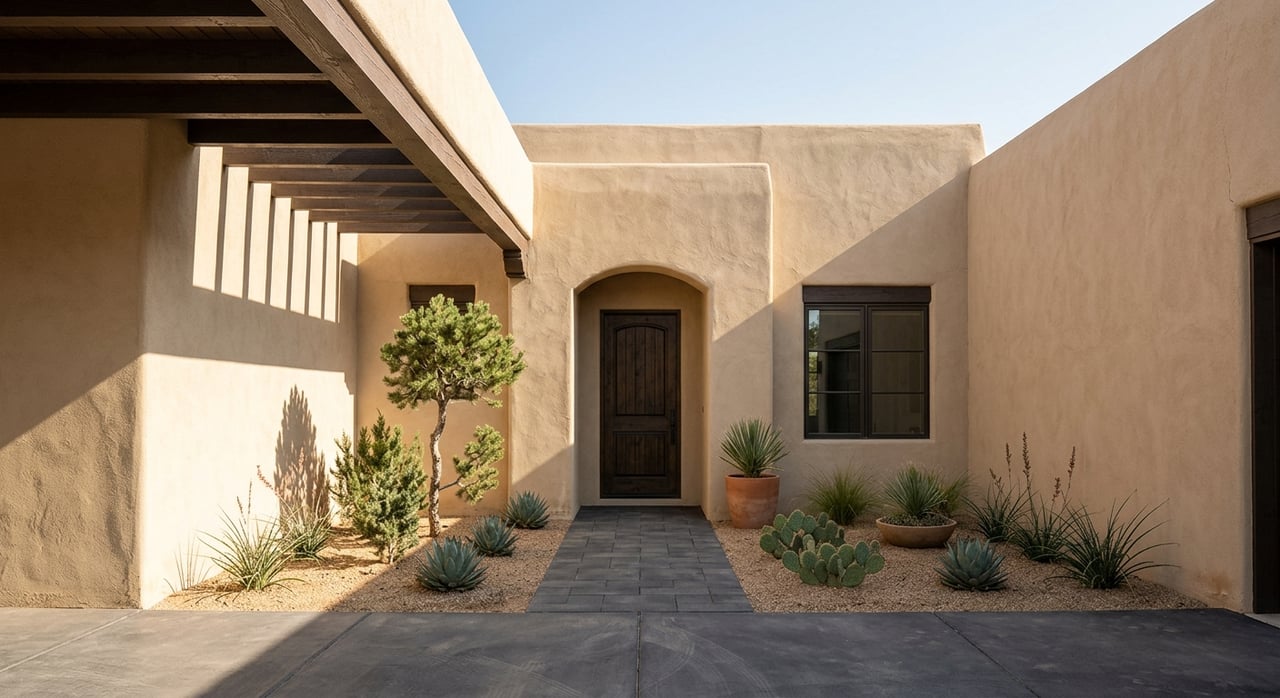
One of the easiest ways to understand the district is to pay attention to what sits behind the walls. Santa Fe’s architecture is known for adobe-dominated forms and a mix of styles, including Spanish Pueblo, Territorial, Pueblo Revival, Victorian, Italianate, and Mission Revival. Even with that variety, the district often feels visually unified.
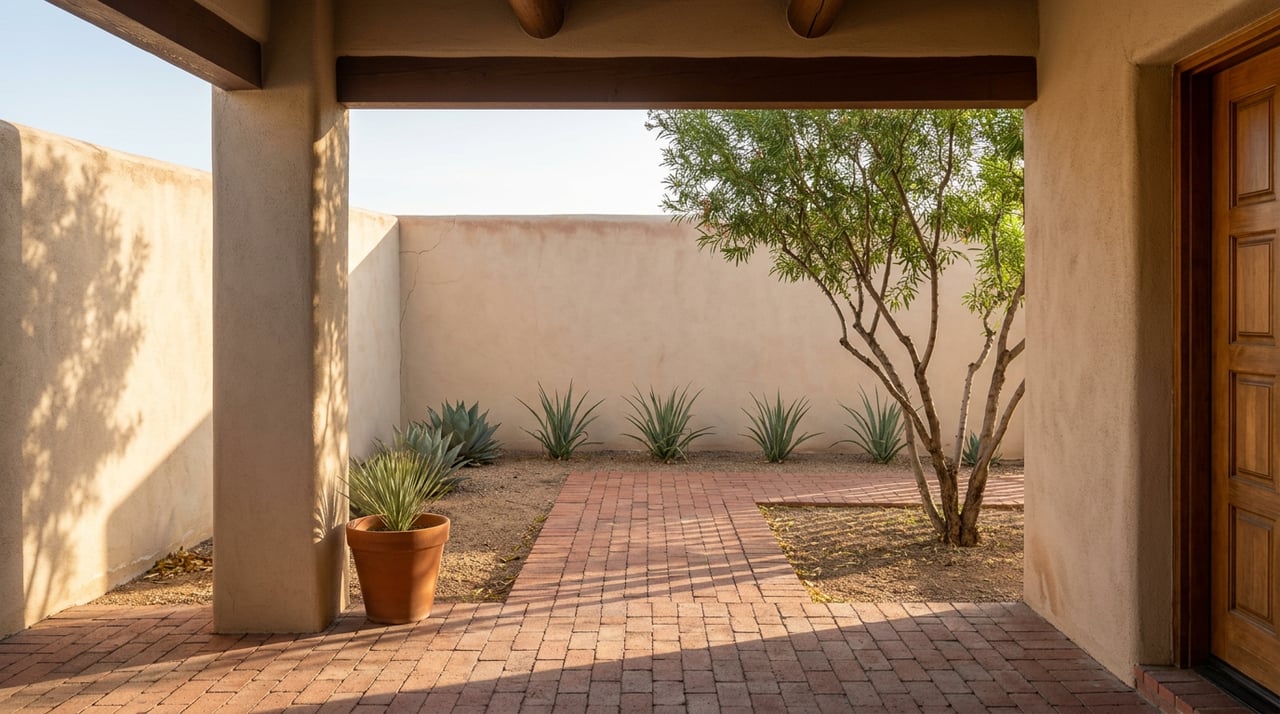
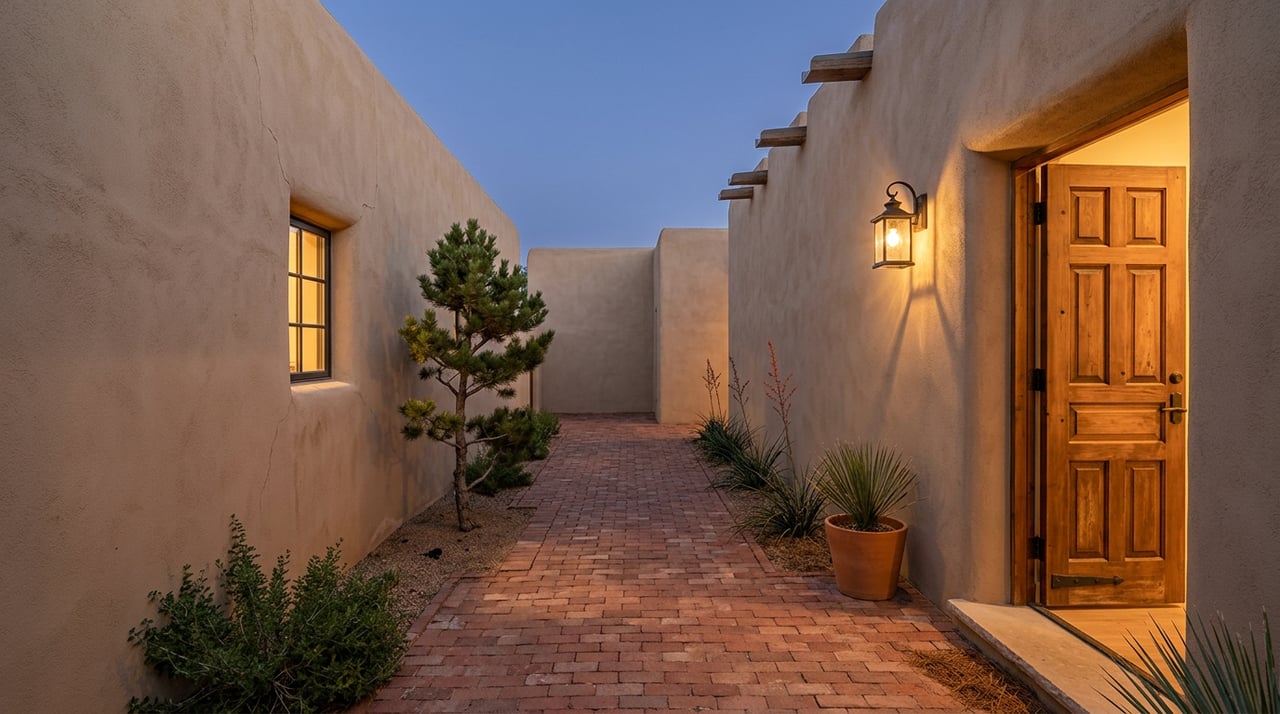
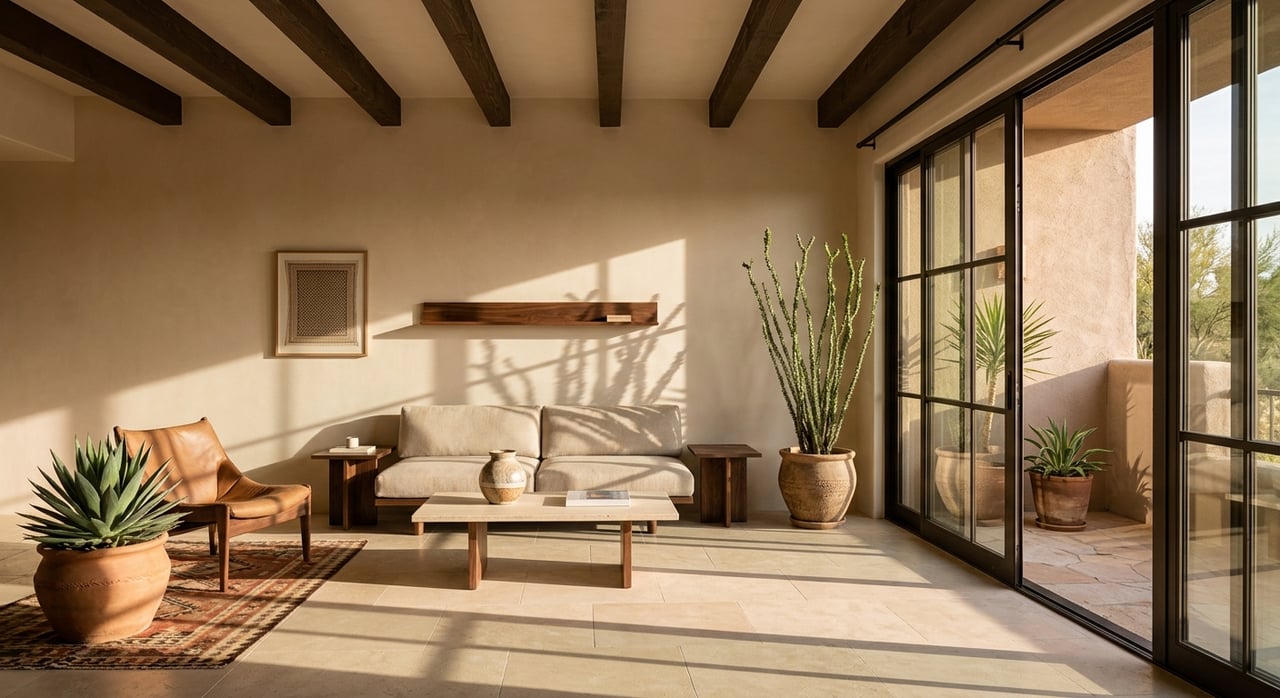
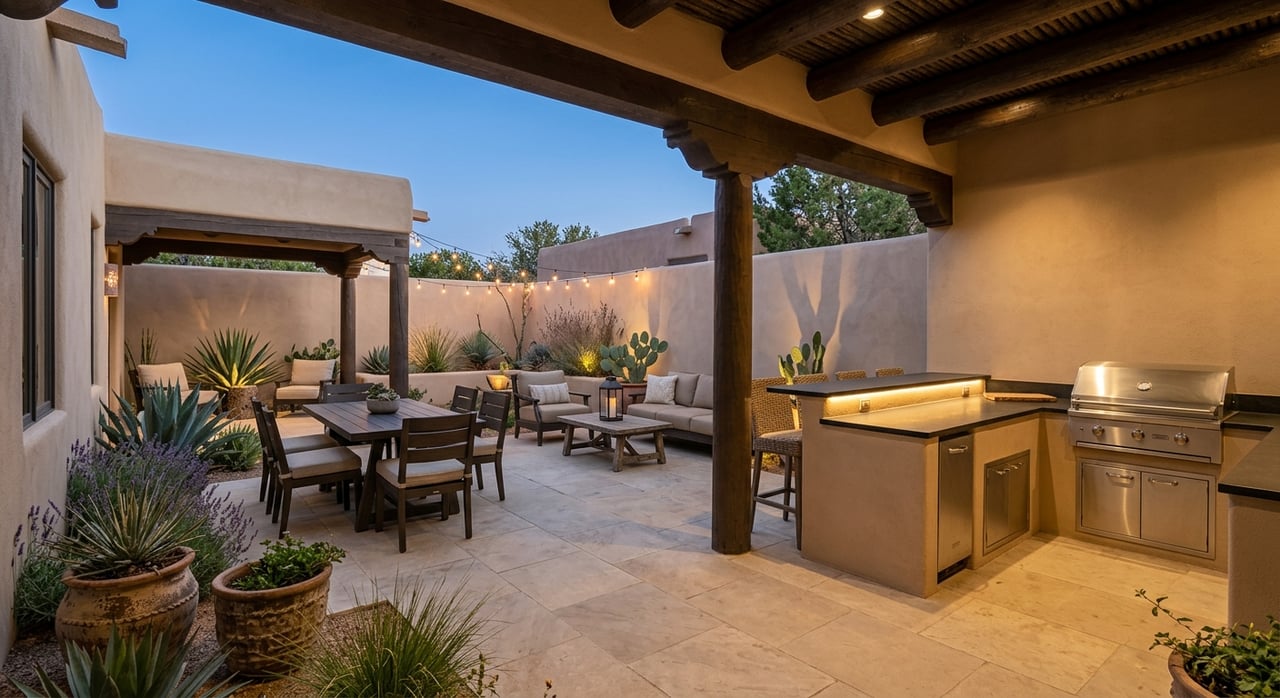
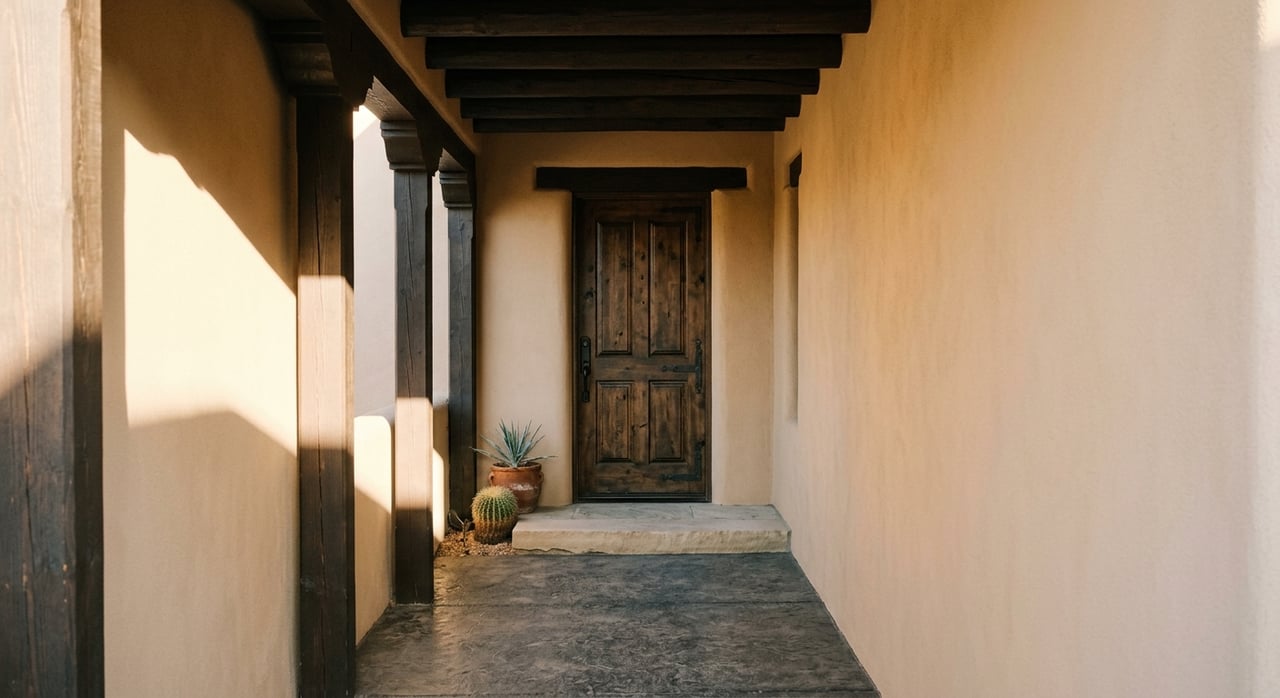
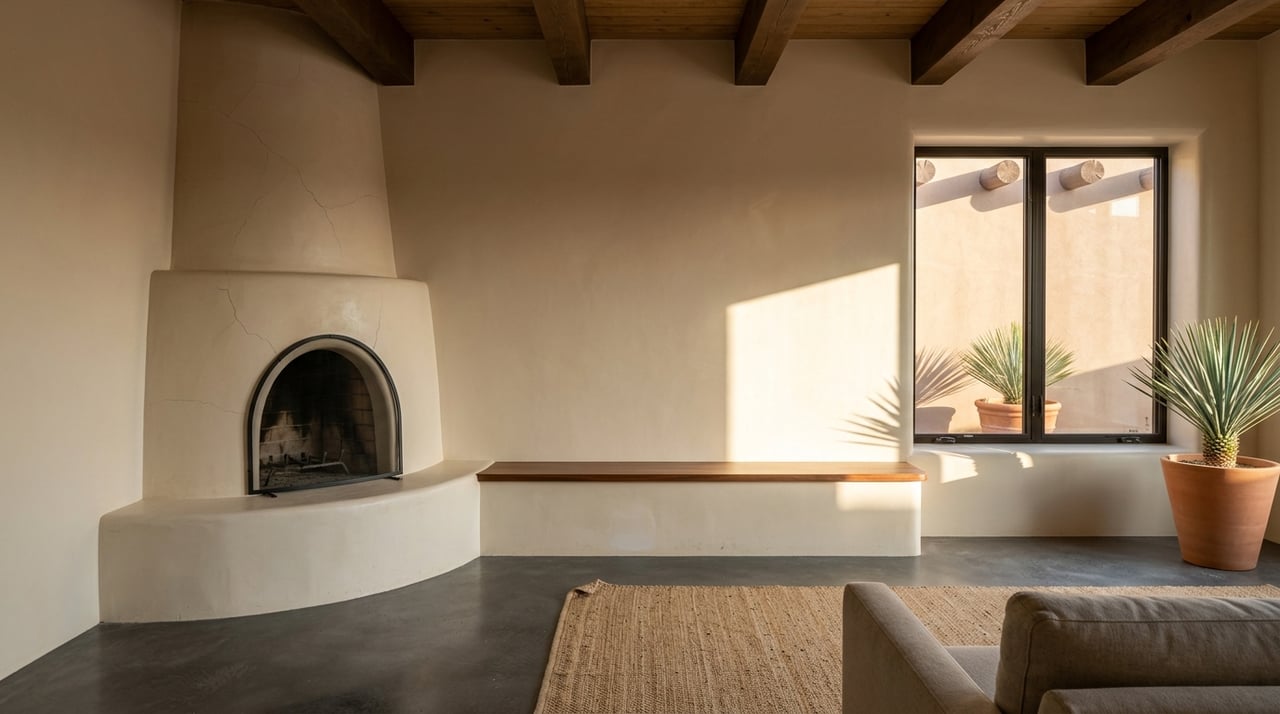
Low-slung earth-colored walls, flat roofs, vigas, latillas, nichos, and covered porches or portales create a calm, inward-facing character. Patios and courtyards are part of that design language, giving homes and commercial spaces a sense of enclosure and privacy. In practical terms, those features also help make the streets feel compact, shaded, and quieter than you might expect in the center of town.
Sena Plaza is a good example of how courtyards add texture to the downtown experience. Rather than reading as one broad open corridor, the district reveals itself in a series of outdoor rooms. That pattern is part of what makes walking here feel intimate and memorable.
The Historic Eastside is full of small-scale circulation patterns that reward walking. Canyon Road is one of the clearest examples, described as a half-mile, tree-lined, pedestrian-friendly corridor with more than 100 galleries. It is not just a destination street. It is also a good lesson in how the district moves.
Instead of wide, fast streets, you find narrow passages and side routes that shift your attention toward details. On Canyon Road, Gormley Lane is noted by the City of Santa Fe as a narrow calle leading toward Acequia Madre. That kind of lane changes your pace almost automatically.
Downtown, Burro Alley adds another layer to this pattern. It is a pedestrian-only street that reinforces the district’s walk-first character. In a place like this, movement is part of the identity. You are meant to notice doors, garden walls, portals, and glimpses into courtyards as much as the destination itself.
If you want one feature that ties landscape, history, and daily life together, Acequia Madre is a strong place to start. The ditch dates to at least 1610 and is described as stone-lined with a long tradition of communal maintenance. That is a practical detail, but it also says something important about the district.
Water helped shape settlement patterns, circulation, and the feel of the Eastside. The acequia is not simply a historic artifact. It helps explain why parts of the district feel intimate, green, and closely tied to the land.
For buyers and homeowners, this matters because the Eastside’s appeal is not only architectural. It is also spatial. The relationship between lanes, walls, water, and courtyards gives the area a sense of continuity that can be hard to replicate elsewhere.
The Plaza is the clearest landmark in Santa Fe’s historic core. The National Park Service describes it as the spatial, economic, and social center of the capital city, and it holds National Historic Landmark status. With flagstone walks, benches, and trees, it remains one of the district’s most recognizable gathering places.
On the north side of the Plaza, the Palace of the Governors adds another major layer of historical meaning. It is recognized as the oldest continuously occupied public building in the United States. Its long portal continues to serve as a daily marketplace for Native artists, linking the present-day experience of the Plaza to a much longer public history.
Other landmarks help round out the district’s architectural and cultural range. San Miguel Chapel is presented as the country’s oldest church. Loretto Chapel, completed in 1878, introduces a Gothic Revival note, while the Cathedral Basilica of St. Francis of Assisi stands out with its French Romanesque Revival architecture, creating a visible contrast with the adobe-dominant streetscape around it.
The Historic Eastside is often described through style, but the stronger story is how architecture affects your experience. Adobe-dominated buildings, earth-tone finishes, and one-color exterior walls give many streets a cohesive visual rhythm. The effect is grounded and understated rather than flashy.
Design details like vigas, latillas, portales, and thick walls do more than create charm. They shape light, shade, privacy, and the feeling of enclosure. That is part of why the district often feels calm even when you are near major destinations.
If you own property here or are considering a purchase, it is also important to understand that historic character comes with review standards. The City of Santa Fe’s Historic Preservation Division oversees modifications in the city’s five historic districts. Many exterior changes may require staff approval or review by the Historic Districts Review Board.
For buyers, the Historic Eastside offers more than a recognizable Santa Fe look. It offers a very specific pattern of living shaped by walkability, courtyards, narrow lanes, and landmark access. If you are drawn to older homes, architectural texture, and a neighborhood experience that unfolds on foot, this area stands apart.
For sellers, that means the story of a property often extends well beyond square footage or finish selections. Buyers are responding to the relationship between the home and its setting, including nearby lanes, acequias, courtyards, portals, and access to the historic core. The strongest marketing usually connects the property to that broader sense of place.
This is also where local guidance matters. In a district shaped by preservation review, architectural vocabulary, and highly specific street character, thoughtful preparation can make a meaningful difference. From positioning a home’s design strengths to planning value-add improvements, context matters here.
If you are thinking about buying, selling, or planning updates in Santa Fe’s historic neighborhoods, Ralph Alan Real Estate Group brings local perspective, design-minded guidance, and hands-on support to help you move forward with confidence.
Stay up to date on the latest real estate trends.
Get In Touch With Our Team To Learn More
Ralph Alan Real Estate Group
218 Camino La Tierra Suite B2 Santa Fe NM 87506 (505) 986-2000