South Capitol Buyers: What the Don Gaspar Historic District Really Requires Before You Renovate
August 20, 2026
August 20, 2026
Most people assume a home's historic status is settled the day it gets listed. Contributing or noncontributing, historic or not, done deal, check the box and move on. In the Don Gaspar Historic District, the residential heart of South Capitol, that assumption is wrong in a way that costs people time and money. The classification is not fixed. It can be revisited the moment you file for a major renovation, and the outcome of that review determines what you're actually allowed to build.
That single fact changes how a buyer should think about any South Capitol property inside the district boundary, and it changes how a seller should think about disclosure before a listing ever goes live.
Don Gaspar Historic District sits south of the State Capitol, bounded roughly by Paseo de Peralta to the north, Old Santa Fe Trail to the east, Houghton Street to the south, and Don Cubero to the west. It was listed on the National Register of Historic Places in 1983 with 278 contributing buildings, and it's named for Don Gaspar Ortiz y Alarid, a merchant who ran wagon trains between Santa Fe and Chihuahua before trading later out of St. Louis. He donated the land around what's now Don Gaspar Avenue, and the street grew up around that gift starting in the late 1800s.
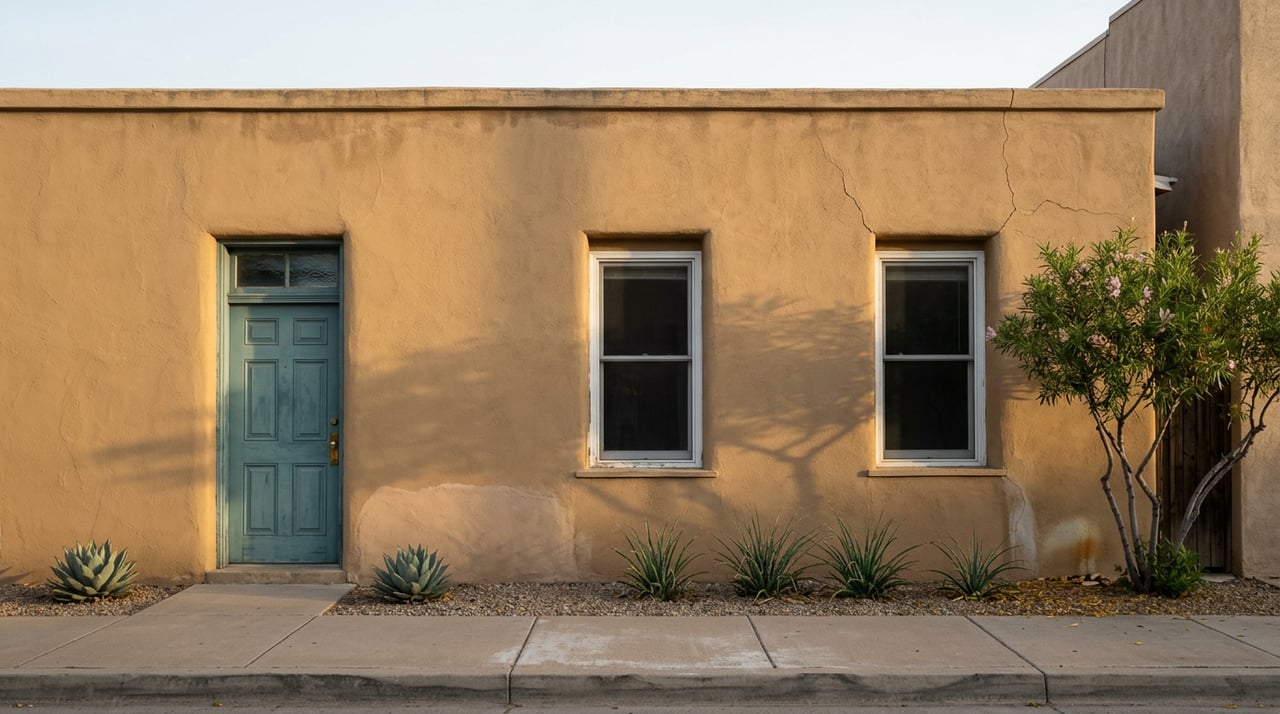
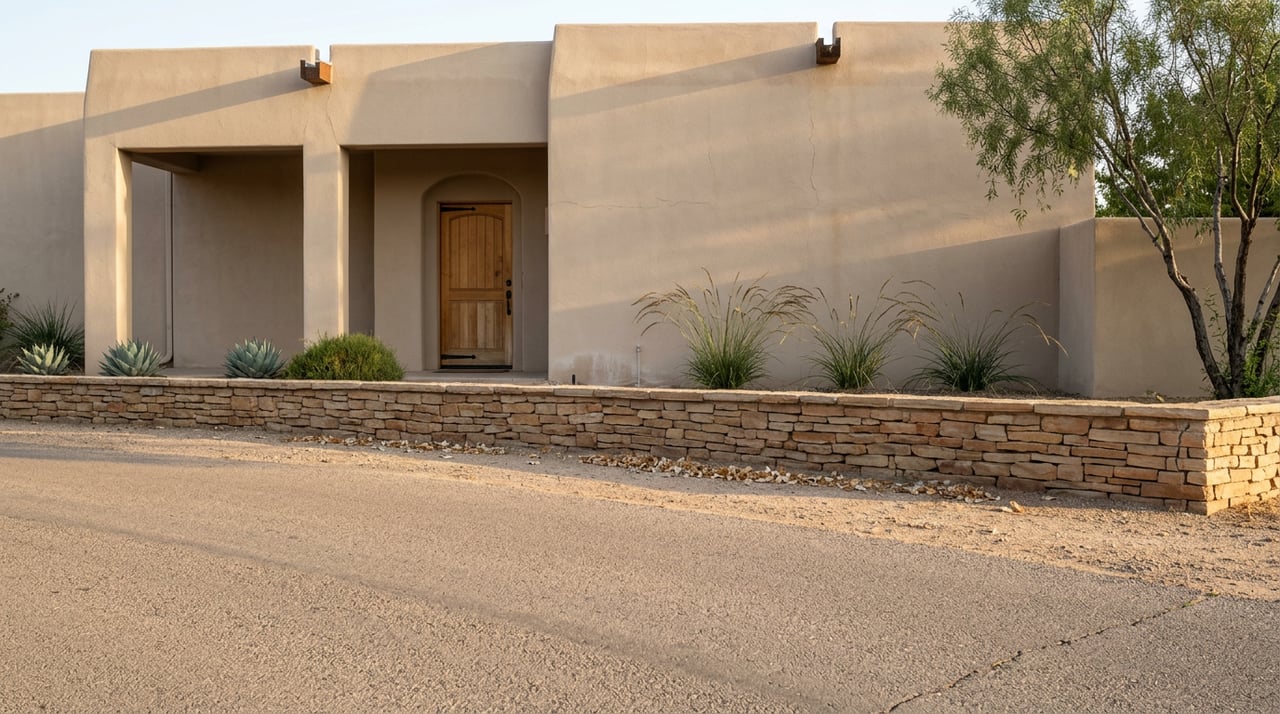
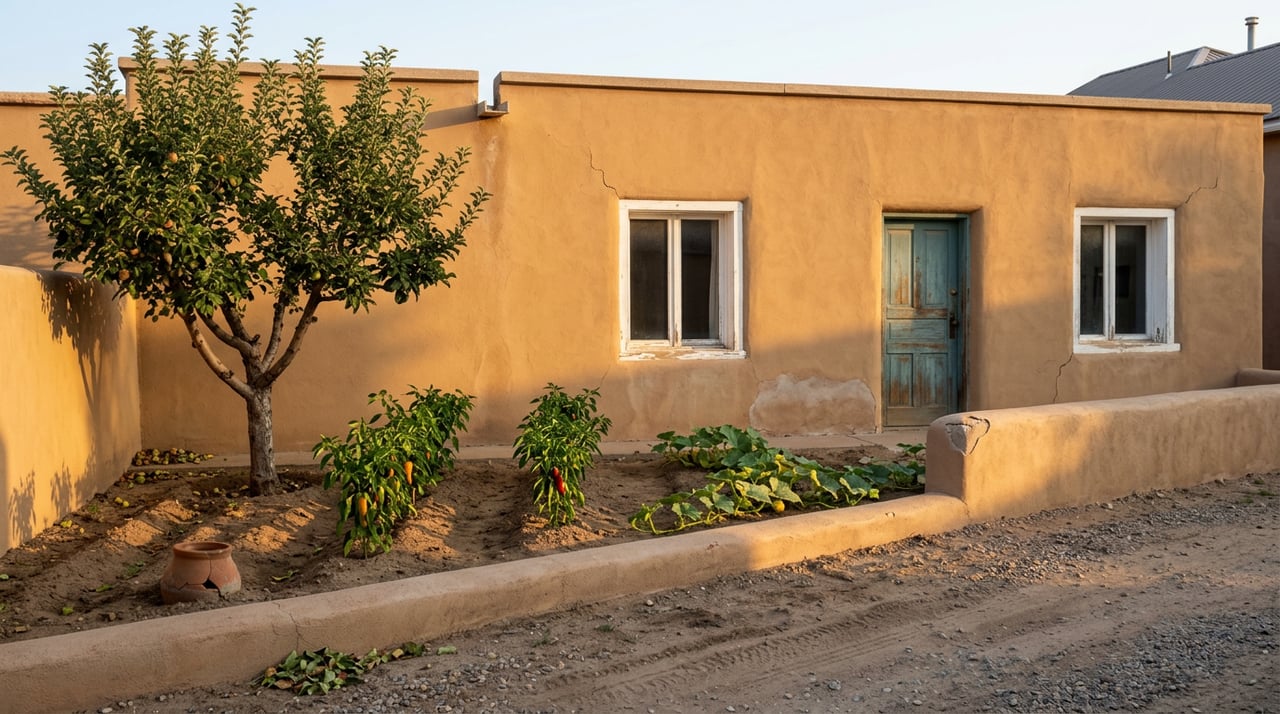
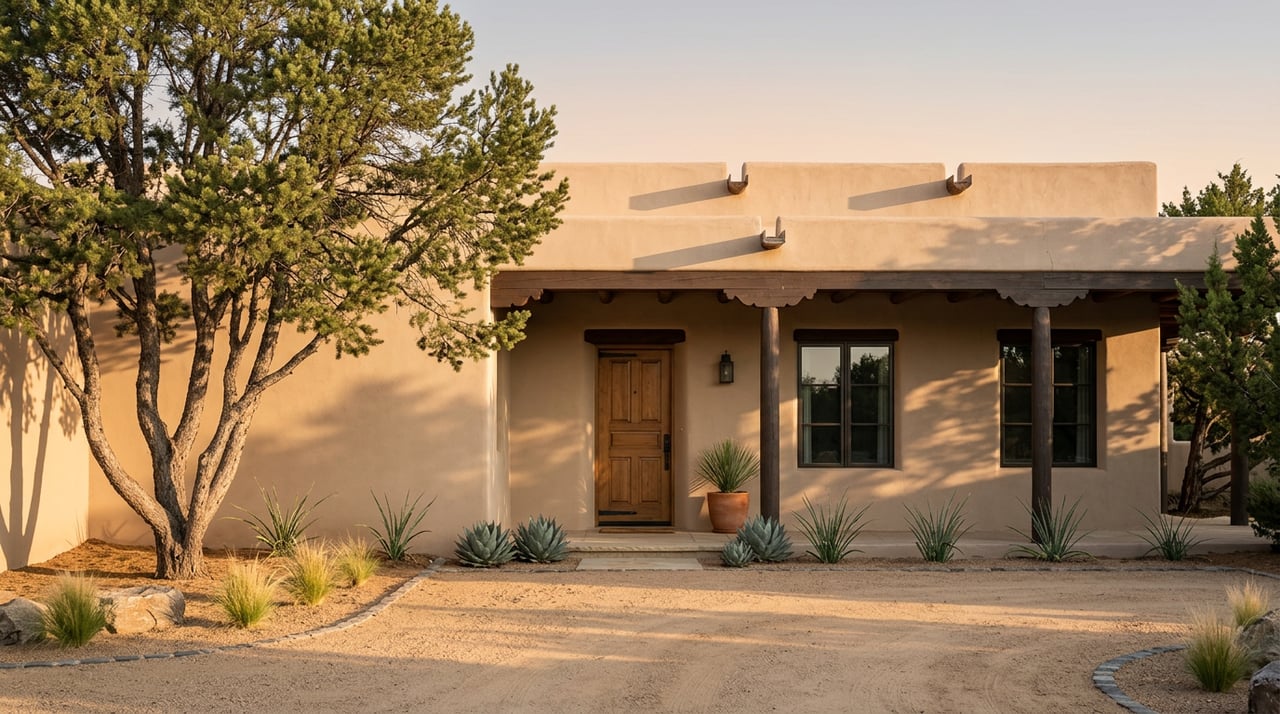
The architecture inside the district is a genuine mix. Pueblo Revival sits next to California Bungalow next to late-period Victorian, largely built out in the early twentieth century. One detail that surprises a lot of buyers doing their first walkthrough: some of these homes were built partly with "pen tile," structural tiles manufactured by inmates at the old New Mexico Penitentiary, which once stood near the neighborhood's southwest edge. That's not trivia for a listing sheet. It's a real material consideration if you're ever repairing a wall or foundation section built from it.
South Capitol reads as one of the quieter, more residential in-town neighborhoods, distinct from the tourist density around the Plaza a few blocks north. That quiet is part of what draws buyers here. It's also exactly why the renovation review process matters so much. Change here is visible, and the city treats it that way.
Santa Fe's Land Development Code sorts every structure in a historic district into one of three categories: significant, contributing, or noncontributing. That designation determines what kind of exterior work you can do without a fight, and what triggers a full board hearing.
Here's the part that catches owners off guard. The city's Historic Districts Review Board is authorized to change a structure's status, or assign one where none currently exists, based on survey data or other evidence submitted during a case. This isn't a hypothetical power sitting unused in the code. It gets exercised specifically when a building is about to undergo a major renovation, which means the classification you're relying on when you write your offer can shift once you actually apply for the work.
Put plainly: the review isn't just gatekeeping a renovation plan against a known rule. Filing the application can itself change what the rules are for your specific house.
The city's own ordinance language spells out the standard the Board is applying:
New additions and related or adjacent new construction shall be undertaken in such a manner that if removed in the future, the original form and integrity of the historic property and its environment would be unimpaired.
The code also bars anything that fakes an older history than the building actually has, no borrowed architectural elements from other buildings dressed up as original features, and it requires that distinctive craftsmanship and finishes be preserved rather than replaced with something more convenient.
That's a stricter bar than most out-of-state buyers expect walking in. A porch addition that would sail through review in a typical subdivision needs to prove it's reversible and honest about its own age here.
Not every project in Don Gaspar goes in front of the full board, and knowing which track you're on before you plan a budget or a timeline matters more than almost anything else in the process.
That third point is easy to miss and expensive to ignore. A renovation you assumed would clear staff-level review can land on the board's docket simply because staff ran out of the 30-day window, adding weeks before you even get a hearing date, on top of whatever the board itself decides once you're there.
Every applicant starts by filing a Historic Districts Application Form with the Historic Preservation Division, which assigns the case to a staff member who works with the applicant through the process. That first conversation is worth having before you write an offer, not after closing.
For buyers, the practical move is simple and often skipped: find out a property's current contributing status before you finalize an offer, and ask directly whether any prior owner has an open or unresolved HDRB matter on the address. A "contributing" designation isn't a warning label. It's information about how much latitude you'll have with the exterior, and how likely your renovation is to draw board review instead of a staff sign-off.
For sellers, the disclosure conversation should include the property's current historic status and any HDRB history tied to the house, not just the standard condition disclosures. A buyer who discovers mid-renovation that their project needs a board hearing they didn't budget time for is a buyer who remembers exactly whose listing they bought from.
Citywide rules layer on top of this too. Accessory dwelling units are permitted by right in most residential districts, but any ADU with an exterior visible from a public street inside Don Gaspar still runs through the same historic review as a primary structure. Short term rental registration and tax rules apply across Santa Fe regardless of historic status, so that's a separate box to check, not a substitute for the historic review conversation.
None of this makes South Capitol a harder place to own a home. It makes it a place where the paperwork happens up front instead of getting discovered halfway through a demolition permit. The neighborhoods that hold their character over decades are usually the ones with a process like this attached to them.
Does every property inside South Capitol fall under Don Gaspar Historic District review? Only properties within the district's mapped boundary are subject to HDRB and Historic Preservation Division review. South Capitol extends beyond those boundaries, so confirming exactly where a specific address sits relative to the district line, using the city's own historic preservation resources, is a first step worth taking before you assume either way.
Does interior-only work need board approval? Interior remodeling generally falls outside historic district review, since the ordinance focuses on exterior features visible from a public street or way. Confirm this with the Historic Preservation Division for your specific scope of work rather than assuming, since visibility from adjacent lots or alleys can sometimes complicate what counts as "public view."
How long does a full board hearing realistically add to a project timeline? Beyond the 30 day staff determination window, your case then waits for the next available second or fourth Tuesday board meeting, and any requested revisions can push you to a subsequent meeting. Building a buffer of one to two months beyond your contractor's estimate for exterior work is a reasonable planning assumption inside the district.
If you're weighing a purchase in South Capitol, or you already own here and are trying to figure out what a renovation will actually take, Ralph Alan Real Estate Group works this neighborhood and the historic review process that comes with it regularly. Get Your Instant Home Valuation to see where your property stands today, and reach out before you file anything with the city. A ten minute conversation up front is a lot cheaper than finding out about a board hearing after your contractor's already scheduled.
Stay up to date on the latest real estate trends.
Article
Here's What It Actually Did
Get In Touch With Our Team To Learn More
Ralph Alan Real Estate Group
218 Camino La Tierra Suite B2 Santa Fe NM 87506 (505) 986-2000