What Daily Life Reveals About South Capitol Santa Fe
May 14, 2026
May 14, 2026
What if the best part of a Santa Fe neighborhood is not a single landmark, but the way daily life unfolds from your front porch to the sidewalk and into the city? In South Capitol, that rhythm is a big part of the appeal. If you are thinking about buying, selling, or simply getting to know this part of 87505, understanding how the neighborhood lives day to day can help you see past the map and into the experience. Let’s dive in.
South Capitol sits just south of the Roundhouse and Santa Fe’s downtown core, which gives it a close connection to some of the city’s most important civic spaces. City preservation materials describe the Don Gaspar district as part of the larger South Capitol neighborhood, and Santa Fe’s walkability report places Downtown and Surrounding Neighborhoods, including Don Gaspar, in the Very Walkable category.
That geographic position shapes daily life in a practical way. You are near the State Capitol, the Plaza, government offices, and the transit connections at South Capitol Station between Alta Vista and Cordova roads. Rio Metro describes that station as a major stop for commuters and bus connections, with access to the Plaza, the State Capitol, and nearby offices.
In South Capitol, short trips often replace longer drives. That is one of the clearest lifestyle advantages for people who value access and ease. The neighborhood’s compact pattern and proximity to downtown support a routine built around walking, transit, and quick outings.
A normal week here can feel simple in the best way. You might start the morning with coffee, head toward downtown or the civic core, and finish the day with a walk near the Plaza, the Capitol grounds, or a nearby park. The neighborhood’s layout makes that porch-to-sidewalk-to-destination pattern feel natural.
South Capitol fits well with an early-morning cafe routine. Ohori’s St. Francis location in 87505 is open from 7:00 a.m. to 6:00 p.m. Monday through Saturday, and ICONIK says its cafes are open daily from 7:30 a.m. to 5:00 p.m.
That matters because lifestyle is often built around small, repeatable habits. In a neighborhood like South Capitol, a coffee run is not just an errand. It becomes part of the daily rhythm that makes the area feel connected and livable.
The Santa Fe Plaza remains one of the most important nearby destinations. The National Park Service describes it as the spatial, economic, and social center of the capital city, with flagstone, walks, benches, and trees.
Other public spaces support that same everyday pattern. Cross of the Martyrs offers a walk-up trail and panoramic views, while DeVargas Park adds river-adjacent open space with trees and grass areas. For a smaller-scale example, Don Diego Park is a city pocket park with public art and native landscaping.
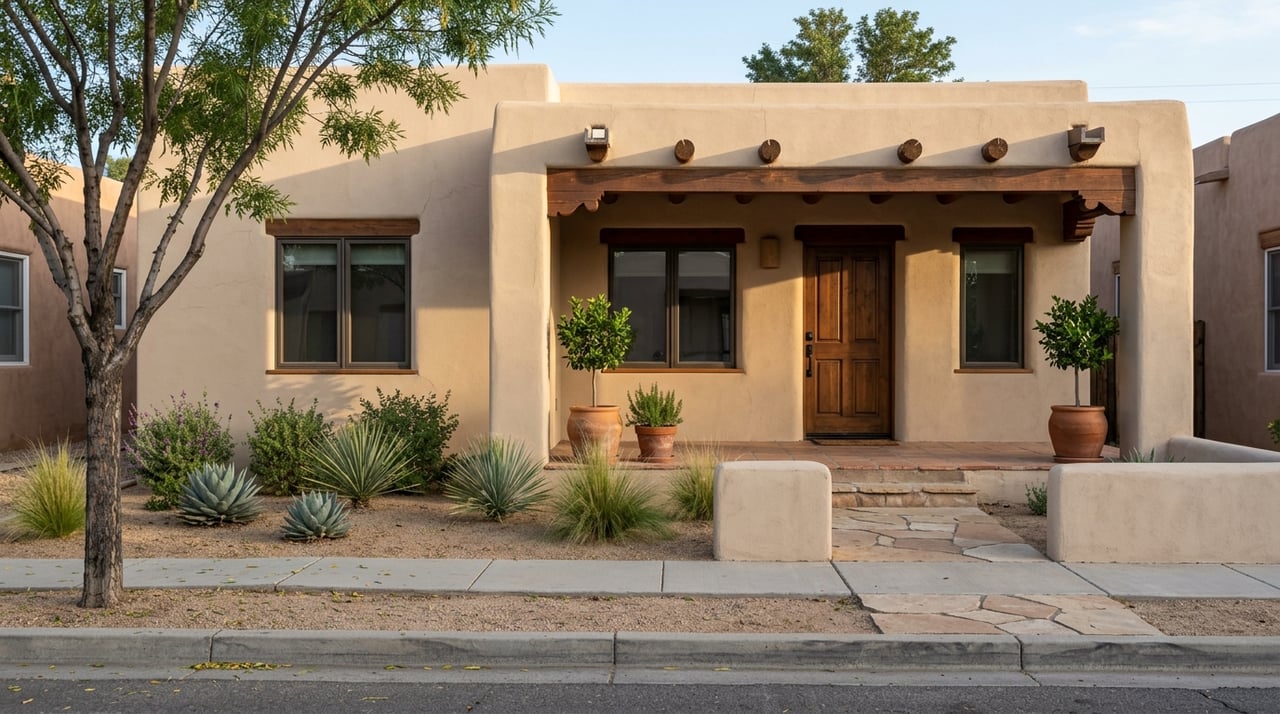
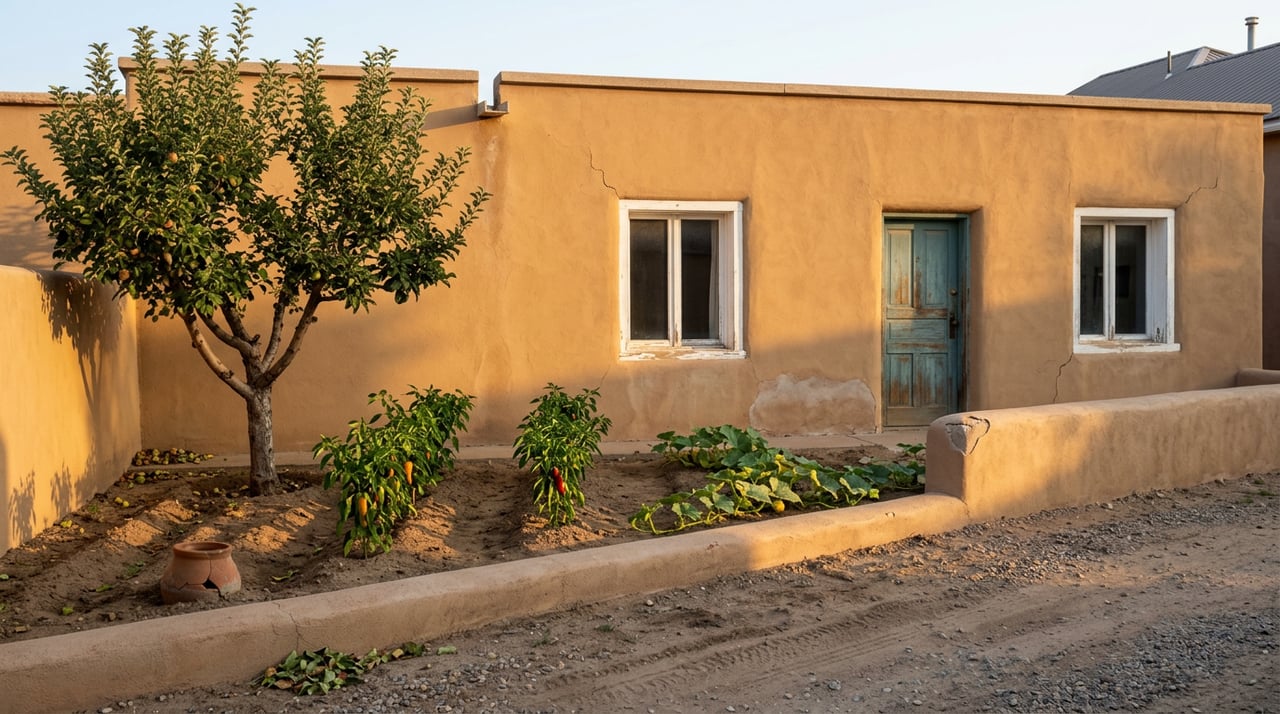
One of South Capitol’s biggest strengths is that it does not feel uniform. The neighborhood shows multiple layers of Santa Fe’s residential history, especially through the Don Gaspar historic district. That variety gives the area visual depth and helps explain why one block can feel different from the next.
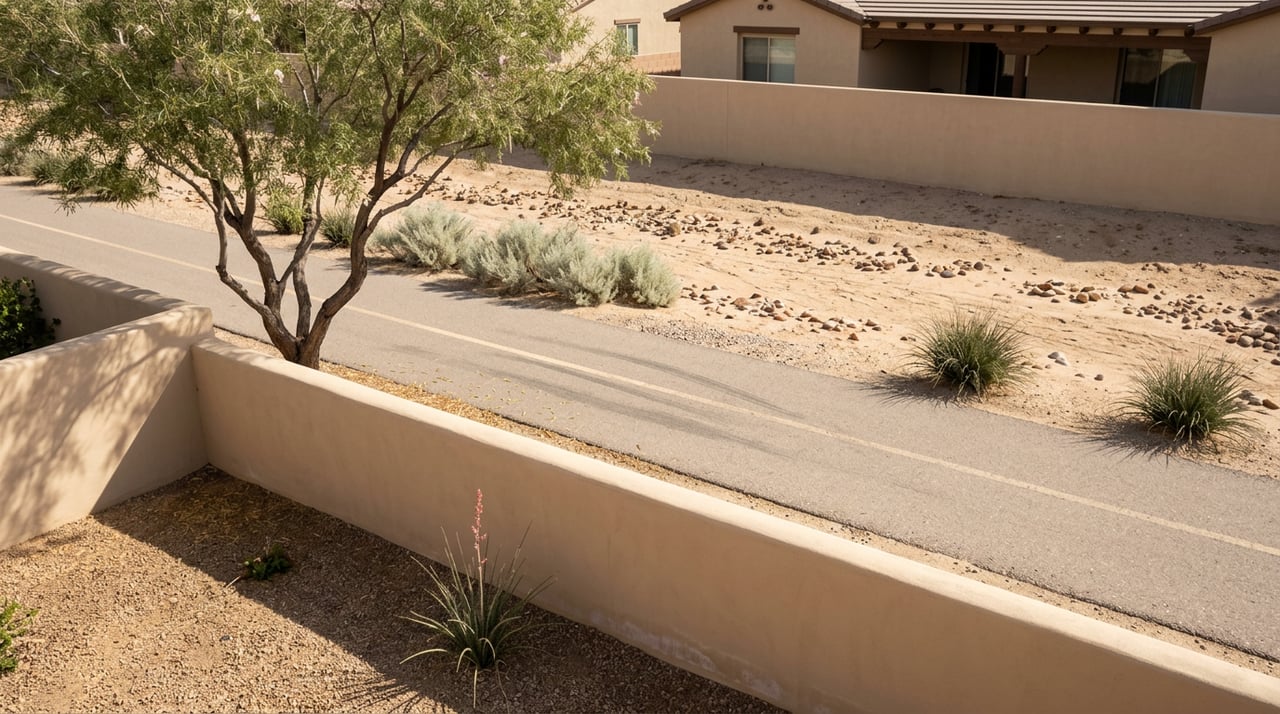
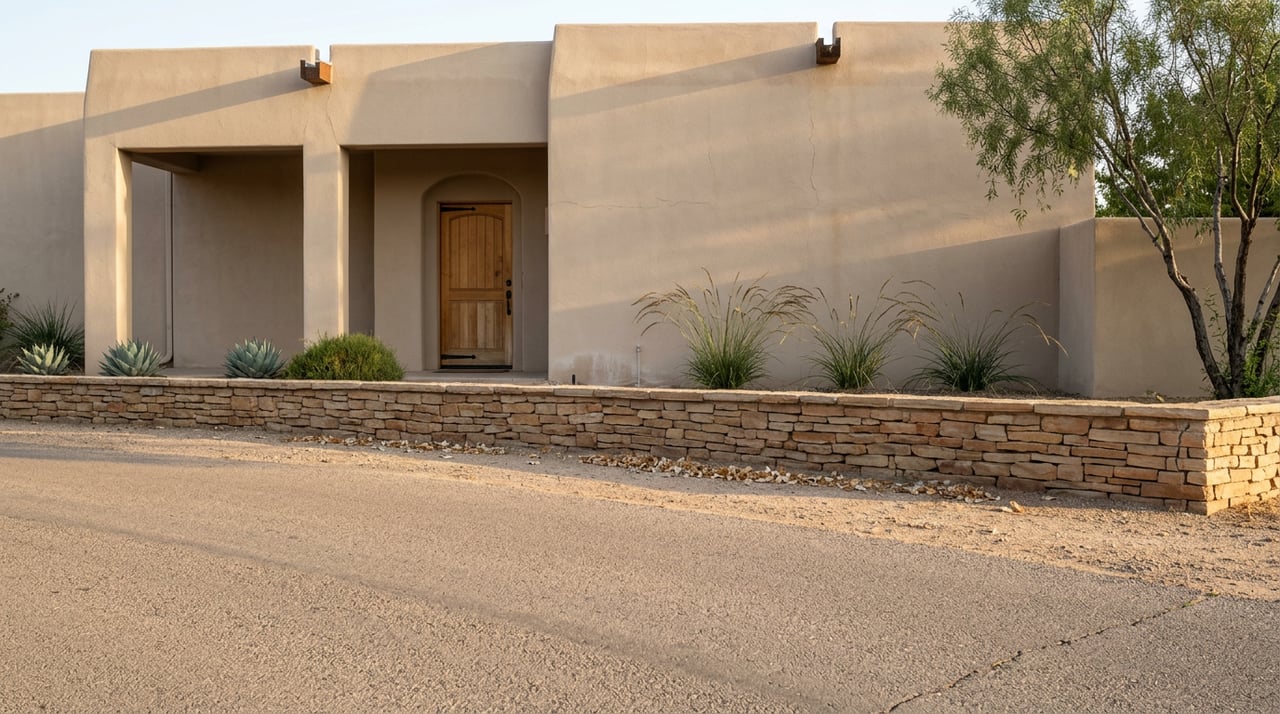
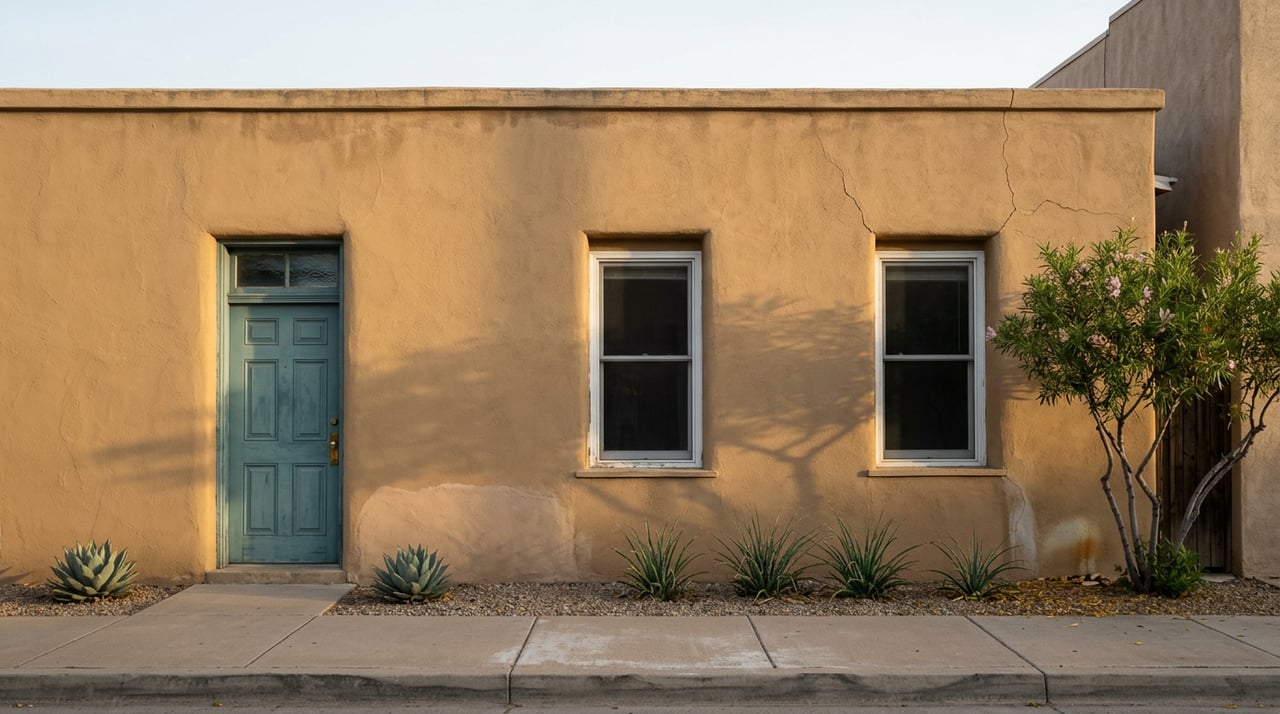
The National Park Service describes Don Gaspar as predominantly residential, with an irregular but tightly knit street grid, many tree-lined streets, and lots fronted by walls and fences that clearly define the public right-of-way. Instead of wide suburban setbacks, you often see homes and lot edges that create a stronger connection to the street.
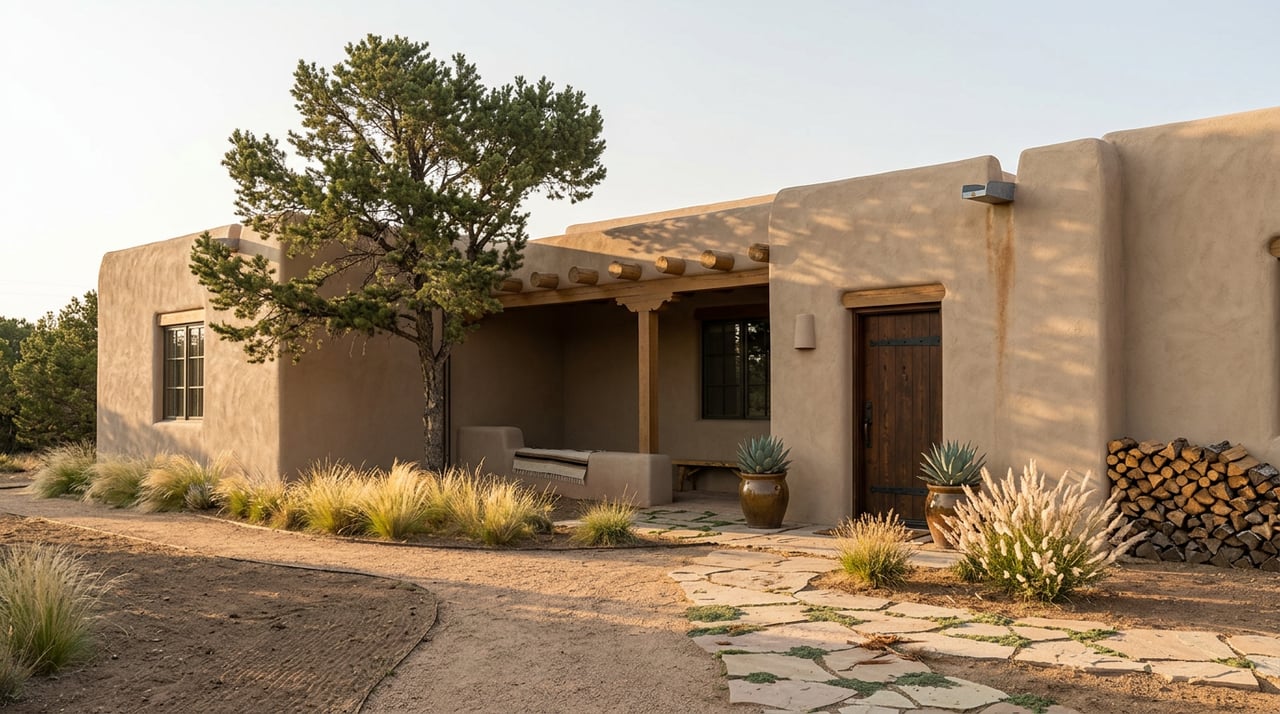
South Capitol includes a mix of home styles rather than a single dominant look. Spanish-Pueblo Revival is the most common, but the area also includes Territorial Revival, Mission Revival, Prairie, Bungalow, Italianate Bracketed, and earlier adobe structures.
That range helps the neighborhood feel layered rather than staged. Some streets reflect older Santa Fe building traditions, while others show early-20th-century influences like front porches, more regular yards, and larger footprints.
If you are trying to make sense of the homes here, it helps to think in broad eras:
For buyers, this means South Capitol can offer real variety within a relatively compact area. For sellers, it means your home’s period details and streetscape context may play an important role in how the property is understood and marketed.
The title of this neighborhood story really does fit the place. South Capitol is shaped by front porches, defined lot edges, and streets that invite walking. According to the National Park Service description, the area includes tree-lined streets, walls and fences at the edge of the lot, and bungalow forms with front porches.
That built environment affects how the neighborhood feels. You are more likely to experience the street directly, whether that means sitting under a portal, stepping out for a walk, or heading downtown on foot. The result is an intimate neighborhood pattern that feels connected to public space rather than separated from it.
If you are drawn to character, walkability, and close-in living, South Capitol may feel especially compelling. The neighborhood offers a lived-in historic quality, not a one-note version of charm. Compact blocks, varied homes, and visible frontages all contribute to that experience.
If your priority is a more spread-out setting with larger private setbacks and a suburban rhythm, the area may feel less aligned with your lifestyle. This is one reason neighborhood fit matters just as much as square footage or finish level.
South Capitol’s location next to the Roundhouse is not just a point on a map. The New Mexico State Capitol is the only round state capitol building in the country, and its grounds include the Clay Buchanan Memorial Gardens and a large collection of New Mexico flora.
That civic setting gives the neighborhood a distinctive backdrop. You are not simply near offices or government buildings. You are next to one of Santa Fe’s important public landscapes, which adds another layer to the area’s everyday walking environment.
For buyers and sellers, one practical point matters a great deal: South Capitol overlaps with Santa Fe’s historic preservation system. That means exterior changes are not always handled as purely private decisions.
City preservation history notes that additions, wall or fence construction, and door or window replacement are among the common changes reviewed for historic integrity in the city’s historic districts. For buyers, that review process is important to understand before planning updates. For sellers, it is part of the context that helps preserve the streetscape buyers value.
South Capitol stands out because it combines several traits that are often hard to find together. It offers proximity to downtown, strong walkability, layered architecture, and a daily pattern shaped by public space and shorter trips.
For relocators and second-home buyers, that can make the neighborhood easier to understand and enjoy. You are not buying into a lifestyle that depends on driving everywhere. You are stepping into a part of Santa Fe where the street pattern, architecture, and civic access all work together.
For sellers, this is also why storytelling matters. A South Capitol home is not only about the interior. It is also about how the property relates to the block, the historic fabric, and the daily routines that draw people to this part of town.
If you are considering a move in South Capitol, it helps to work with a team that understands both the neighborhood’s market appeal and the practical details that come with historic homes. Ralph Alan Real Estate Group brings local knowledge, thoughtful guidance, and design-minded insight to help you navigate the process with confidence.
Stay up to date on the latest real estate trends.
Article
Here's What It Actually Did
Get In Touch With Our Team To Learn More
Ralph Alan Real Estate Group
218 Camino La Tierra Suite B2 Santa Fe NM 87506 (505) 986-2000