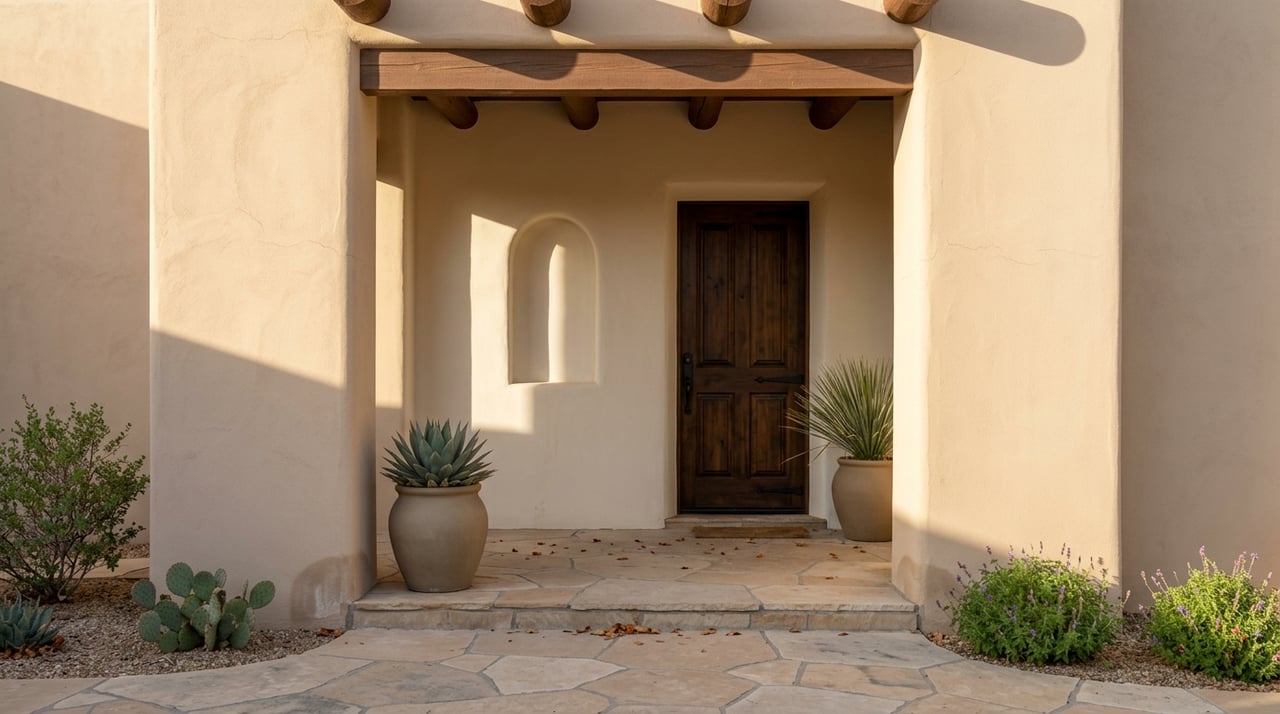
Planning Your Historic Eastside Sale From Idea To Closing
May 7, 2026
May 7, 2026
Selling a home in Santa Fe’s Historic Eastside is rarely a quick, plug-and-play process. If you are thinking about listing within the next year, the smartest move is to start earlier than you think, because timing, historic-district review, pricing, and presentation can all shape your result. With a clear plan, you can move from idea to closing with fewer surprises and a stronger strategy. Let’s dive in.
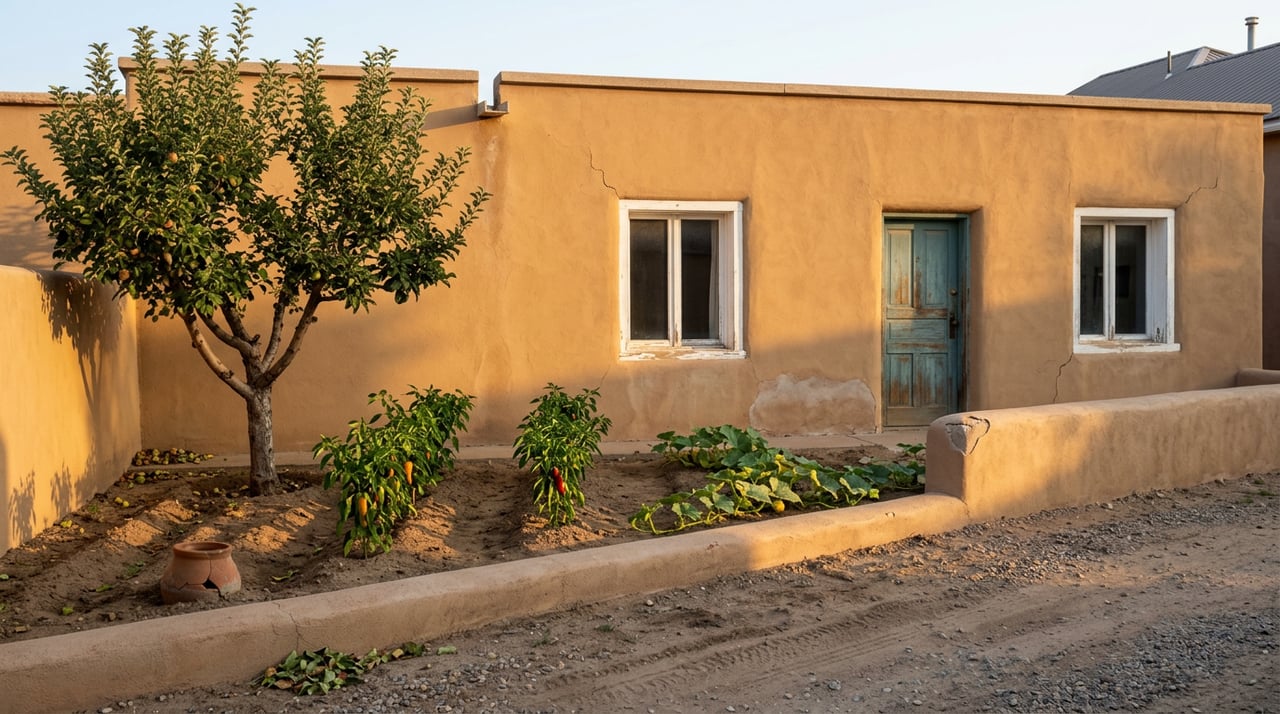
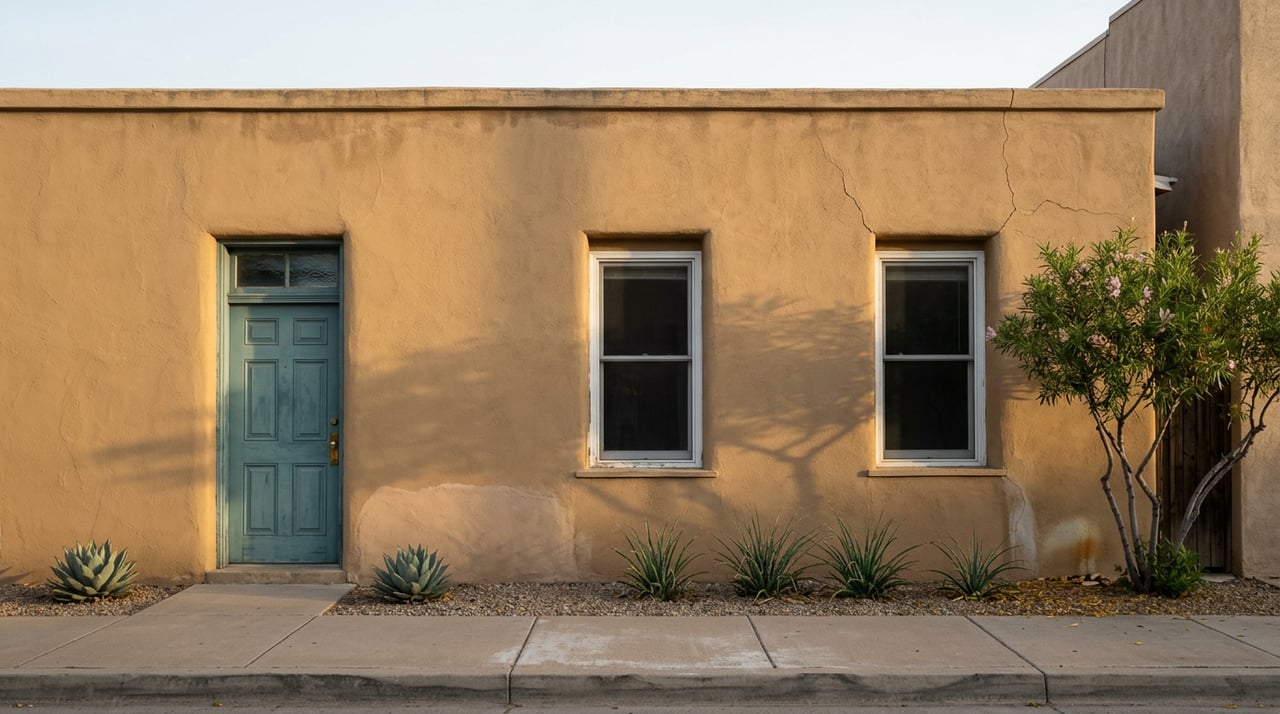
Historic Eastside homes often come with details, materials, and exterior features that deserve extra care before you bring them to market. In Santa Fe’s historic districts, exterior work must be pre-approved by the City of Santa Fe Historic Preservation Division, even though many simple maintenance and repair items may not require a construction permit.
That matters because your pre-listing timeline may involve more than repairs and photos. Depending on the scope of work, your project could move through an administrative approval after a site visit, or it could require review by the Historic Districts Review Board, which meets on the second and fourth Tuesday of each month.
If you wait until the last minute to sort this out, your listing timeline can tighten fast. Starting early gives you time to confirm your property status, decide which updates are worthwhile, and make sure any exterior work is handled in the right order.
As of January 2, 2026, the latest public SFAR quarterly report for Santa Fe City and County shows a median single-family sales price of $710,000, 64 days on market until sale, 93.3% of original list price received, and 3.7 months of supply. Inventory rose 4.7% year over year, and closed sales rose 7.8%.
For you as a seller, that points to a market that still offers opportunity, but not one that rewards rushed pricing or incomplete prep. A measured launch, realistic pricing, and strong presentation matter.
It is also important to remember that this public data is city- and county-wide. Historic Eastside strategy should still be built around nearby comparable sales and your property’s specific condition, especially because the neighborhood sits within a separately regulated historic district.
Before you make repair plans or call contractors, verify whether your parcel is inside the Downtown and Eastside Historic District. The City of Santa Fe Historic Preservation Division directs owners to use the city GIS map with Historic Districts and Historic Buildings Status layers for parcel-level confirmation.
This step is worth doing right away because neighborhood shorthand is not enough. A precise parcel check helps you understand whether exterior changes may need review and whether prior approvals or permit records should be gathered before listing.
If you already have records for past work, keep them in one place. That documentation can become useful later when buyers ask about repairs, approvals, or updates.
In Historic Eastside, not every update follows the same path. The city distinguishes between minor work that can receive administrative approval and larger changes that may need Historic Districts Review Board review, but exterior work in historic districts still requires pre-approval by the Historic Preservation Division.
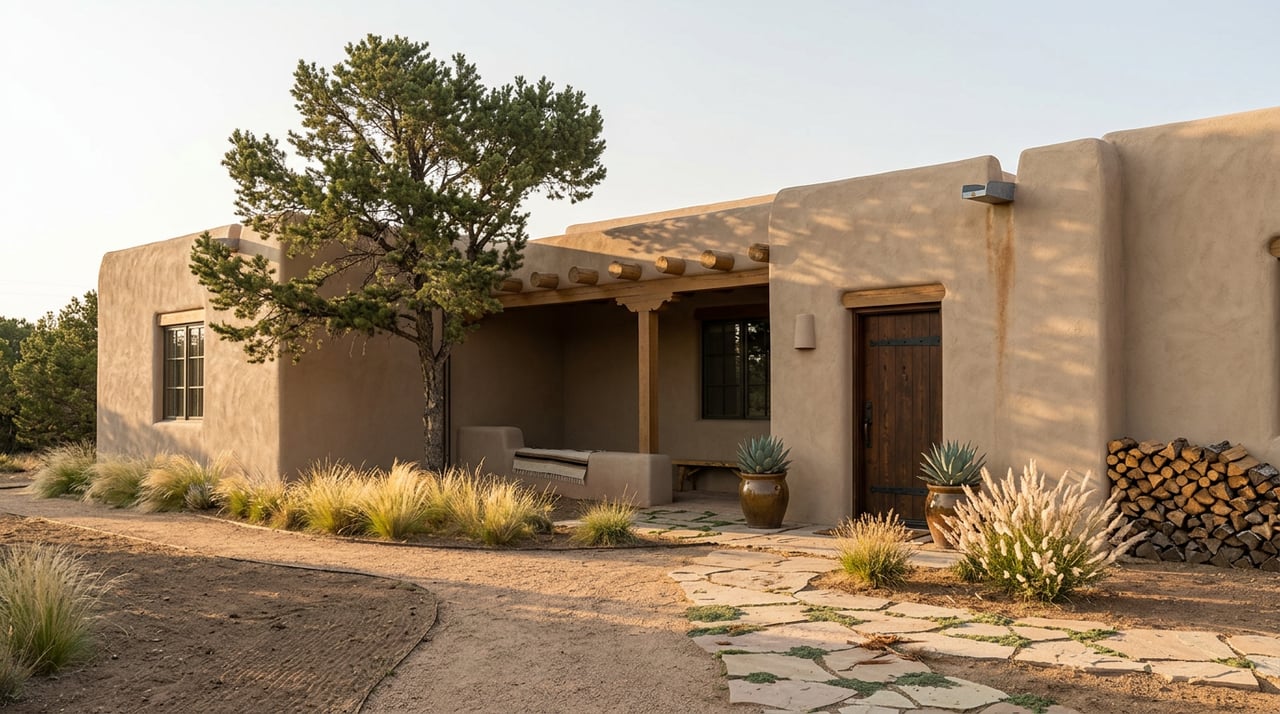
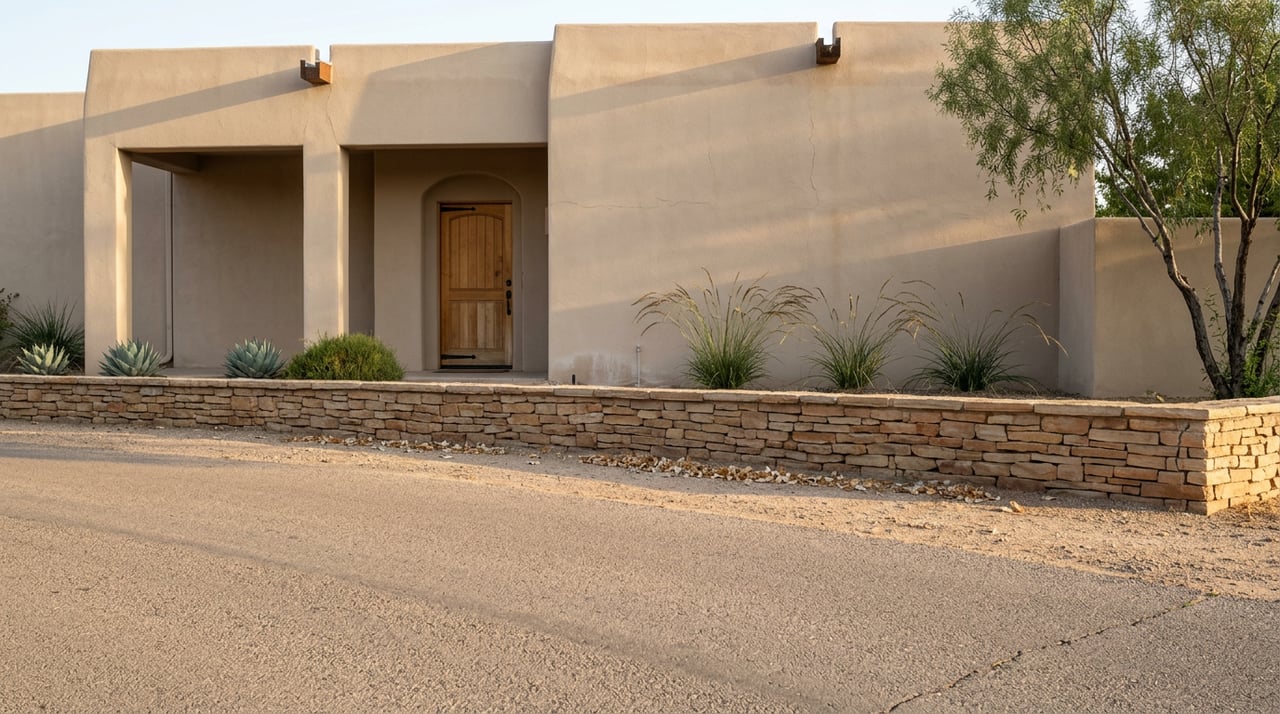
If you are considering exterior paint, material replacement, wall work, windows, gates, landscaping features tied to exterior changes, or other visible modifications, it is wise to check with the city early. Historic-district standards for the Downtown and Eastside district emphasize harmony in style, form, color, height, proportion, texture, and material.
The handbook summary also highlights one-color exteriors, earth-tone matte finishes, and adobe-like materials. City code excerpts further note that historic features should be repaired rather than replaced when possible, and if replacement is necessary, the new material should match the original.
For sellers, that means the best improvement plan is not always the broadest one. Often, thoughtful repair and finish choices that align with district standards are more useful than last-minute changes that create delays.
Historic review is not only about design. It also has timing and cost implications that should be part of your sale plan.
The city’s current fee schedule lists the following:
These costs may be modest compared with the value of a well-prepared listing, but they still affect your planning. If you are weighing pre-sale improvements, it helps to look at both likely return and likely process time.
Start with the big picture. Confirm whether your home is in the Downtown and Eastside Historic District, gather prior approvals and permit records, and get a neighborhood-specific valuation instead of relying on the citywide median alone.
This is also the right time to decide which projects are worth doing. If any exterior work is on your list, identify it now so you can determine whether Historic Preservation Division review may be required.
If exterior changes are planned, begin the city review process early. Depending on the work, the process may include an application, a site visit, and possibly a board hearing based on the board’s twice-monthly schedule.
This window is also ideal for building a focused pre-listing scope. In a historic district, the goal is usually not to over-renovate. The goal is to choose updates that respect the property, fit the district context, and support marketability.
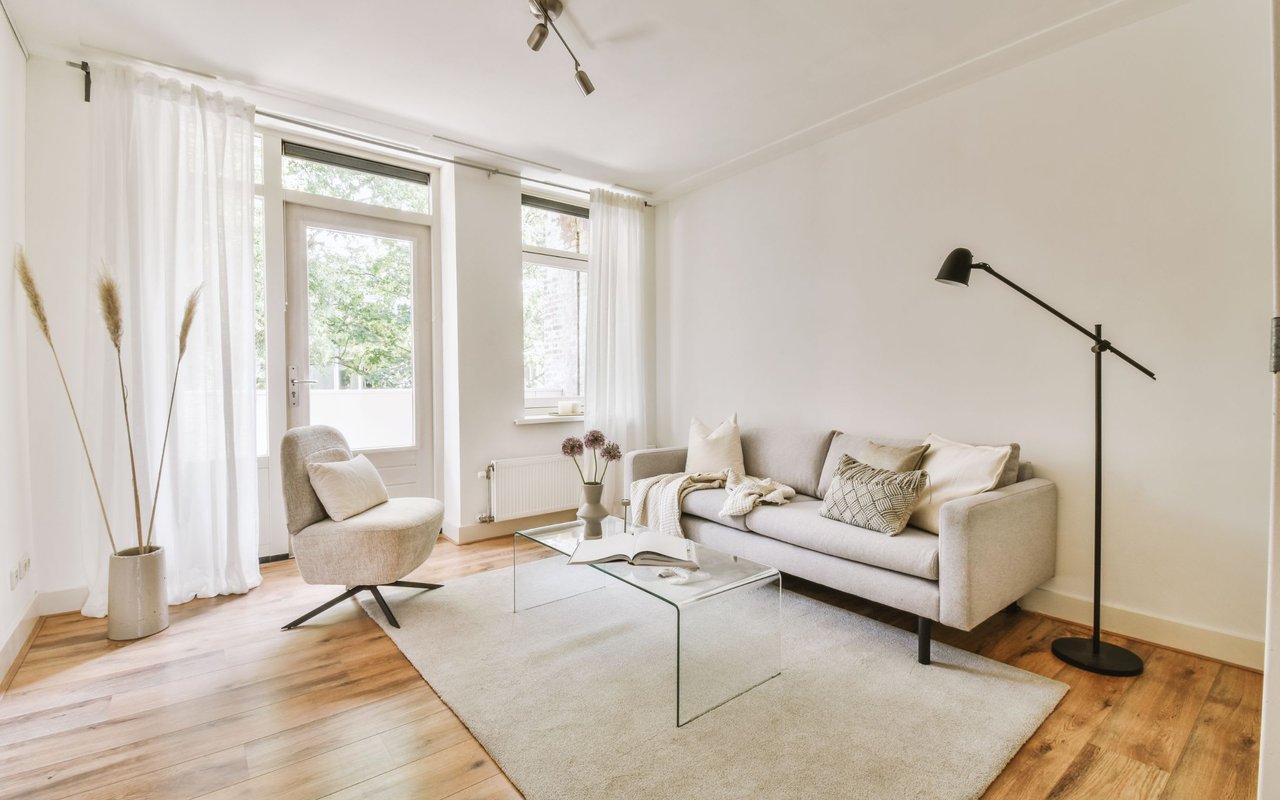
Once approvals are in place, complete repairs and shift toward presentation. Decluttering, selective staging, and room-by-room editing can have a meaningful impact on how buyers respond.
According to NAR’s 2025 staging report, buyers’ agents most often identified the living room, primary bedroom, and kitchen as important rooms to stage. The same report found that staging made it easier for 83% of buyers’ agents to help clients imagine the home as a future residence.
The report also notes that 29% of sellers’ agents saw a 1% to 10% increase in value offered, and 49% saw less time on market. For Historic Eastside sellers, that supports investing in thoughtful preparation, especially in the rooms buyers notice first.
This is your launch-prep window. Final cleaning, photography, floor plans, copywriting, pricing review, and marketing coordination should happen only after the property is truly ready.
That sequence matters because the latest SFAR public quarter showed a median of 64 days on market until sale for single-family homes in Santa Fe City and County. Your launch is not a small administrative step. It is a meaningful marketing window that should begin with the home in its best showing condition.
Once offers come in, good recordkeeping pays off. Keep approval letters, receipts, contractor records, and product details organized so you can answer buyer questions quickly.
That is especially helpful in a historic district, where review status and documentation can matter even when the completed work was fairly modest. Clean records can reduce friction and help keep the transaction moving toward closing.
If you are trying to decide where to focus your time and budget, start with the items most likely to affect timing, buyer perception, and pricing confidence.
Consider this order of operations:
This kind of sequence helps you avoid a common mistake: spending money on cosmetic work before confirming whether a more important review or repair issue could affect your timeline.
Historic Eastside sales reward detail. You are not just pricing a home. You are positioning a specific property within a tightly defined district, navigating city process where needed, and presenting the home in a way that respects both its character and the current market.
That is where hands-on planning can make a real difference. A seller strategy grounded in local valuation, practical design judgment, and organized transaction prep is often what turns a stressful listing into a more confident, well-timed sale.
If you are thinking about selling in Santa Fe’s Historic Eastside, Ralph Alan Real Estate Group can help you map out timing, valuation, preparation, and launch strategy with a consultative, locally rooted approach.
Stay up to date on the latest real estate trends.
Article
Here's What It Actually Did
Get In Touch With Our Team To Learn More
Ralph Alan Real Estate Group
218 Camino La Tierra Suite B2 Santa Fe NM 87506 (505) 986-2000